The minibus rattles over the bridge into Daliang just as the morning mist lifts off the river, revealing a skyline of tile roofs and factory chimneys. A vendor at the corner waves a steamer basket, and the scent of ginger and fermented bean curd cuts through the diesel fumes. This is Shunde: a place where a world-class dim sum brunch shares a block with a plastic-molding plant, and nobody finds the contrast strange.
Getting There Without the Hassle
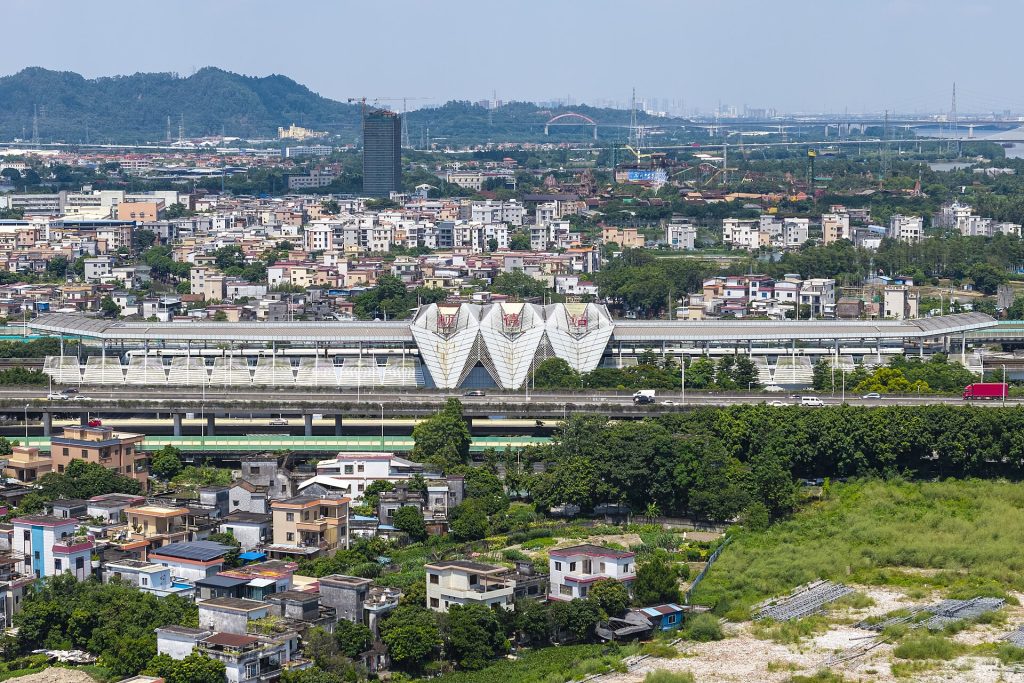
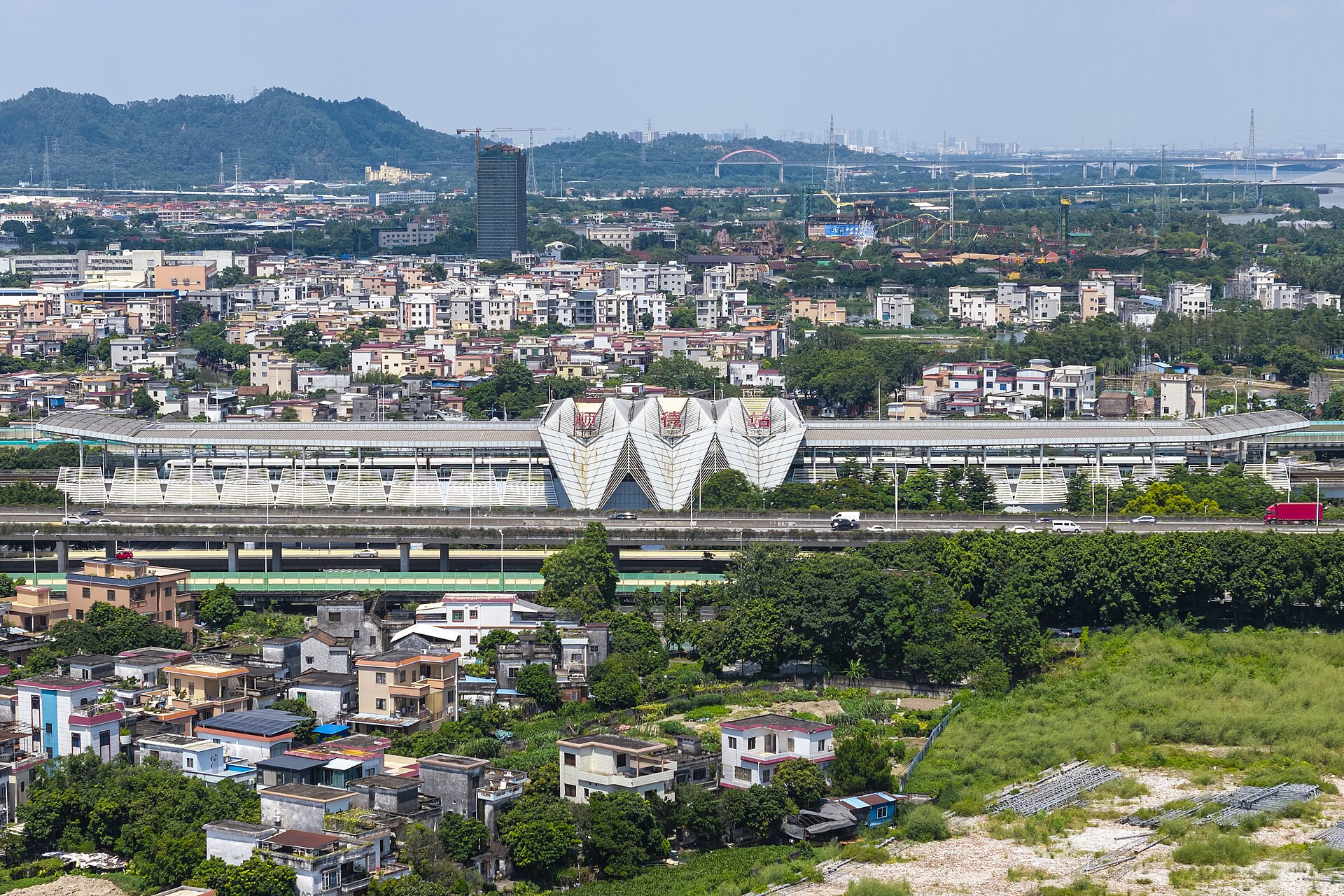
Most travelers land at Guangzhou Baiyun International Airport. The airport express coach runs hourly from early morning until early evening; the ride to Shunde takes about an hour if traffic cooperates. If you are coming from Hong Kong, the ferry from the China Ferry Terminal drops you at Shunde Port in roughly seventy minutes—book the morning sailing to avoid the afternoon chop. High-speed rail is the smoothest option: the Guangzhou–Zhuhai line stops at Shunde Station, and a taxi from the station square to the old town costs less than a cup of milk tea.
Where to Sleep: Canal Side or Mall Rooftop
The historic core around Qinghui Garden offers boutique guesthouses set in renovated shophouses. You wake to the sound of mahjong tiles clicking in the courtyard below. For a modern bed, the hotels clustered near Joy City mall put you above a subway stop and a food court that stays open past midnight. Business travelers often pick the cluster near the New World Center; the rooms are predictable, and the lobby doubles as a co-working space where factory buyers sip oolong between meetings.
Eating Your Way Through the District
Shunde cuisine is Cantonese cooking stripped of pretense. The wok breathes fire, the knife work is surgical, and the seasoning stops at salt, soy, and the funk of preserved bean curd. You do not order a single dish; you order a parade.
- Double-skin milk (双皮奶) – hot buffalo milk ladled into bowls, cooled until a second skin forms, served warm or chilled with a drizzle of ginger syrup.
- Fish sashimi (鱼生) – grass carp sliced paper-thin, tossed with shredded ginger, citrus peel, crushed peanuts, and a shower of sesame oil; eaten by the handful with a dip of soy and chili.
- Stir-fried milk (炒鲜奶) – egg white, milk, and cornstarch whipped into a cloud, flash-fried until the edges lace golden, then folded with diced water chestnut for crunch.
- Braised eel with fermented bean curd (豆酱鳝鱼) – thick eel segments simmered until the sauce clings like lacquer, sweet-salty and deeply savory.
- Steamed pork patty with salted fish (咸鱼蒸肉饼) – minced pork pounded until sticky, topped with slivers of salted threadfin, steamed until the fat renders into a pool.
Home-style stir-fried milk
- 200 ml whole buffalo milk (cow milk works, but the skin is thinner)
- 1 egg white
- 10 g cornstarch
- 15 g sugar
- 50 g peeled water chestnut, diced small
- Oil for the wok, a pinch of salt
- Whisk milk, egg white, cornstarch, sugar, and salt until no lumps remain. Strain through a fine sieve.
- Heat a wok over high flame until a drop of water skitters. Swirl in two tablespoons of oil.
- Pour in the batter. Count to three. Push the set edges toward the center with a spatula, letting raw liquid flow to the sides.
- When the surface is just set but still glossy, scatter the water chestnut. Fold once, slide onto a plate. Eat immediately.
In a restaurant, point to the chalkboard specials rather than the picture menu. Ask for “wok hei” dishes—those cooked over the fiercest flame. Avoid the tourist set lunches near the garden gates; they reheat steam trays. Instead, follow the delivery riders at noon. They park their scooters outside the no-name canteens where a bowl of rice, a ladle of braised eel, and a side of blanched choy sum cost less than a subway token.
Streets That Feed You
Desheng Food Street wakes at dusk. Neon reflects on the wet pavement as skewers of squid, chicken cartilage, and tofu puffs rotate over charcoal. Grab a plastic stool, order a bottle of room-temperature beer, and watch the chef brush chili oil onto oysters still in the shell. A few blocks west, Ronggui’s old market lane specializes in breakfast: rice noodle rolls steamed to order, topped with fried shallots and a spoonful of XO sauce. By mid-morning the crowd thins, and the aunties start folding dumplings for the afternoon rush. If you wander into the alleys behind the furniture wholesale market, you will find a row of open-kitchen stalls turning out clay-pot rice with cured sausage and a crackling crust—arrive before seven or the line stretches around the corner.
Culture You Can Touch
Qinghui Garden is the postcard site, but the real lesson sits in the side hall where a master carver demonstrates rosewood joinery without nails. Stay for the tea ceremony; the host pours Gongfu style, explaining why the first rinse is discarded and the third infusion is the sweetest. During the autumn festival, the village of Fengjian lights lanterns along its canals and stages dragon-boat races on water no wider than a driveway. Locals invite strangers to share mooncakes stuffed with lotus paste and salted egg yolk—refuse politely once, then accept. In the furniture towns of Lecong and Longjiang, showrooms the size of aircraft hangars display everything from Ming reproductions to ergonomic office chairs. Bargaining is expected; start at sixty percent of the tag price and settle somewhere near seventy.
What Newcomers Get Wrong
Assuming Shunde is just a day trip from Guangzhou. The food alone deserves three meals and a midnight snack. Renting a car and expecting Google Maps to work flawlessly—alleys in the old town swallow GPS signals; download an offline map or hire a driver who knows the one-way loops. Ordering “mild” at a local stall; the chef will simply omit the fresh chili but leave the fermented bean paste, which carries its own heat. Skipping the foot massage after a day of walking the factory showrooms; the reflexology chairs in the back-alley parlors cost a fraction of the hotel spa and the therapists have hands like vises—in the best way. Finally, leaving without a vacuum-packed box of double-skin milk for the train ride home. It survives the journey, and your colleagues will forgive the early meeting if you share.