The taxi driver pulled over beside a row of poplars shaking in the wind, and the meter clicked to twenty yuan. Through the window, the Helan Mountains rose like a dark wall against a pale sky, their foothills stitched with the straight lines of old mining roads. Ahead, the city spread out in a grid of wide avenues and Soviet-era apartment blocks, the air carrying a faint scent of coal dust and alkali soil. This was my first morning in Shizuishan, Ningxia’s northern gateway, and the map on my phone showed only a handful of pins — most of them factories.
Getting oriented in the Coal City
Shizuishan sits at the top of the Yellow River’s great bend, where the water swings east after running north along the Helan range. The city proper divides into three districts: Dawukou in the south, where the train station and most hotels cluster; Huinong in the center, given over to heavy industry; and Taole in the north, a quieter stretch of farms and vineyards along the river. Buses numbered 1, 2, and 101 link the main arteries, but routes change when a mine shift ends, so ask the driver before you board. Taxis start at eight yuan and rarely exceed thirty for cross-town runs. If you rent an electric scooter — common near the university — keep your helmet strap tight; the wind off the desert can knock a lightweight bike sideways.
When the light hits the mountains
Spring arrives late here. In the third lunar month, dust storms still scour the streets, and the temperature can swing fifteen degrees between dawn and noon. By the fifth month, the vineyards on the eastern slope turn green, and the air clears enough to see the snow caps on the main peaks. That window — roughly the Dragon Boat Festival to the Mid-Autumn Festival — is when photographers set up tripods at the Helan Mountain National Forest Park entrance to catch the golden hour on the red sandstone cliffs. Summer nights stay cool enough to sleep without air conditioning, but July brings sudden thunderstorms that flash-flood the dry riverbeds. October paints the poplars yellow and the goji berries red; the harvest festivals in Taole district fill the lanes with drying racks and the smell of fermenting grape skins. Winter, from the eleventh lunar month onward, locks the city in sub-zero stillness. Only the indoor ice rink at the sports center and the hot-pot restaurants keep regular hours.
Two days on the ground
Start early. Take bus 101 to the Helan Mountain Rock Art Park, where thousands of petroglyphs — hunters, herds, solar symbols — pepper the basalt boulders. The site opens at eight; arrive by nine to beat the tour groups from Yinchuan. A guide costs fifty yuan and speaks enough English to explain the difference between Xixia-era carvings and older nomadic work. Allow two hours, then walk the ridge trail to the overlook where the Yellow River glints like a silver ribbon far below. Lunch back in Dawukou: hand-pulled lamb noodles at the halal stall behind the railway station, broth thick with radish and chili oil.
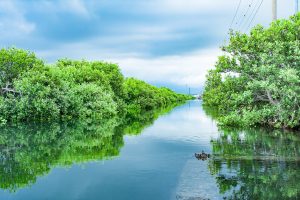
Afternoon, hire a driver for the Shahu Lake wetland, forty minutes north. The reed beds stretch to the horizon, and in migration season the sky fills with swan geese and black storks. A wooden boardwalk loops through the marsh; bring mosquito repellent and a wide-brim hat. Sunset paints the water copper. Dinner at a farmhouse in Taole — braised carp with pickled mustard greens, hand-rolled flatbread, and a bowl of goat-milk yogurt. The host will pour a small cup of local baijiu; sip it, don’t shoot it.
Day two, slower. Morning at the Shizuishan Museum, a low brick building on Culture Road. The coal-mining exhibit holds a rusted steam winch, miner’s lamps, and a ledger of fatalities from the 1970s — sobering, not sensational. Upstairs, a room of Hui embroidery and Silverware shows the craft that survived the factories. Walk ten minutes west to the old Dawukou market: stalls piled with dried wolfberries, sacks of alkali-tolerant rice, and stacks of blue-and-white porcelain tea sets. Bargain gently; the vendors know the going rate. Late afternoon, climb the pagoda at Beiwudang Temple for a view over the smokestacks and the new solar arrays blinking in the desert. Train leaves at six; the station cafeteria sells vacuum-packed goji and licorice root for the ride home.
What locals expect, what newcomers miss
Shizuishan does not perform for tourists. The Hui families running the noodle shops close for prayer five times a day; the metal shutters roll down, and you wait. Fridays, the main mosque on Minzu Road overflows onto the sidewalk — step aside, don’t photograph worshippers without asking. In the markets, prices are spoken in jin (half a kilogram), not grams; a vendor quoting “twelve” means twelve yuan per jin of fresh goji. Tipping is not customary; a sincere “xiexie” and a return visit matter more. The biggest mistake? Treating the city as a day trip from Yinchuan. The rhythm here is industrial, agricultural, devout — layered, not polished. Stay a night. Hear the call to prayer echo off the cooling towers at dusk. Watch the wind rewrite the sand patterns on the lake shore. That is the place.
Practical knots to untie
- Transport: High-speed rail from Yinchuan takes forty minutes; conventional trains run hourly. Long-distance buses leave from the station forecourt for Bayanhot and Alxa Left Banner.
- Lodging: Dawukou has three business hotels with English-speaking front desks (around 200 yuan for a clean double). Taole offers courtyard homestays — book through a WeChat contact, not an app.
- Connectivity: 5G covers the urban core; signal drops in the mountain valleys. Buy a local SIM at the China Mobile kiosk inside the train station — bring passport.
- Cash and card: Most stalls take Alipay or WeChat Pay. Keep small bills for the rock-art park ticket machine and the mosque donation box.
- Health: Altitude at the lake is 1,400 meters — mild for most, but hydrate. Pharmacies on Jiefang Road stock altitude tablets and saline spray.
The taxi dropped me at the platform as the G1812 hissed to a stop. Through the window, the Helan peaks caught the last light, their ridges sharp as cut flint. I had come for the coal-city cliché and left with the taste of goat-milk yogurt on my fingers and the sound of wind in the reeds. Shizuishan does not hand you a postcard. You have to stay long enough for the dust to settle on your boots.