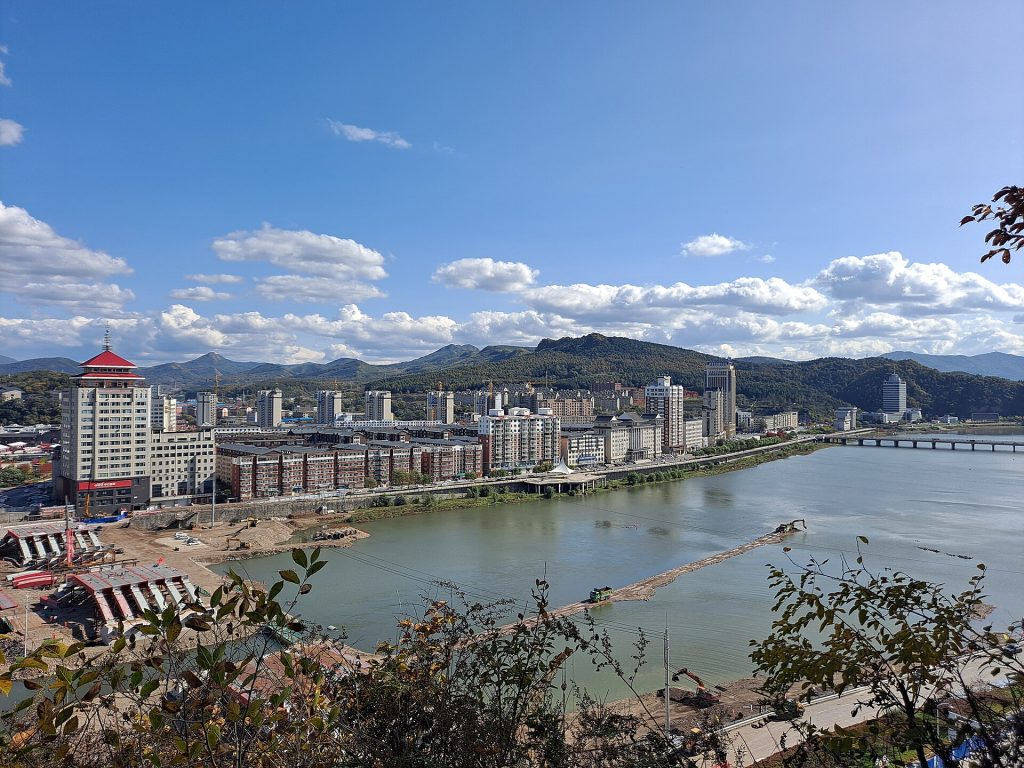
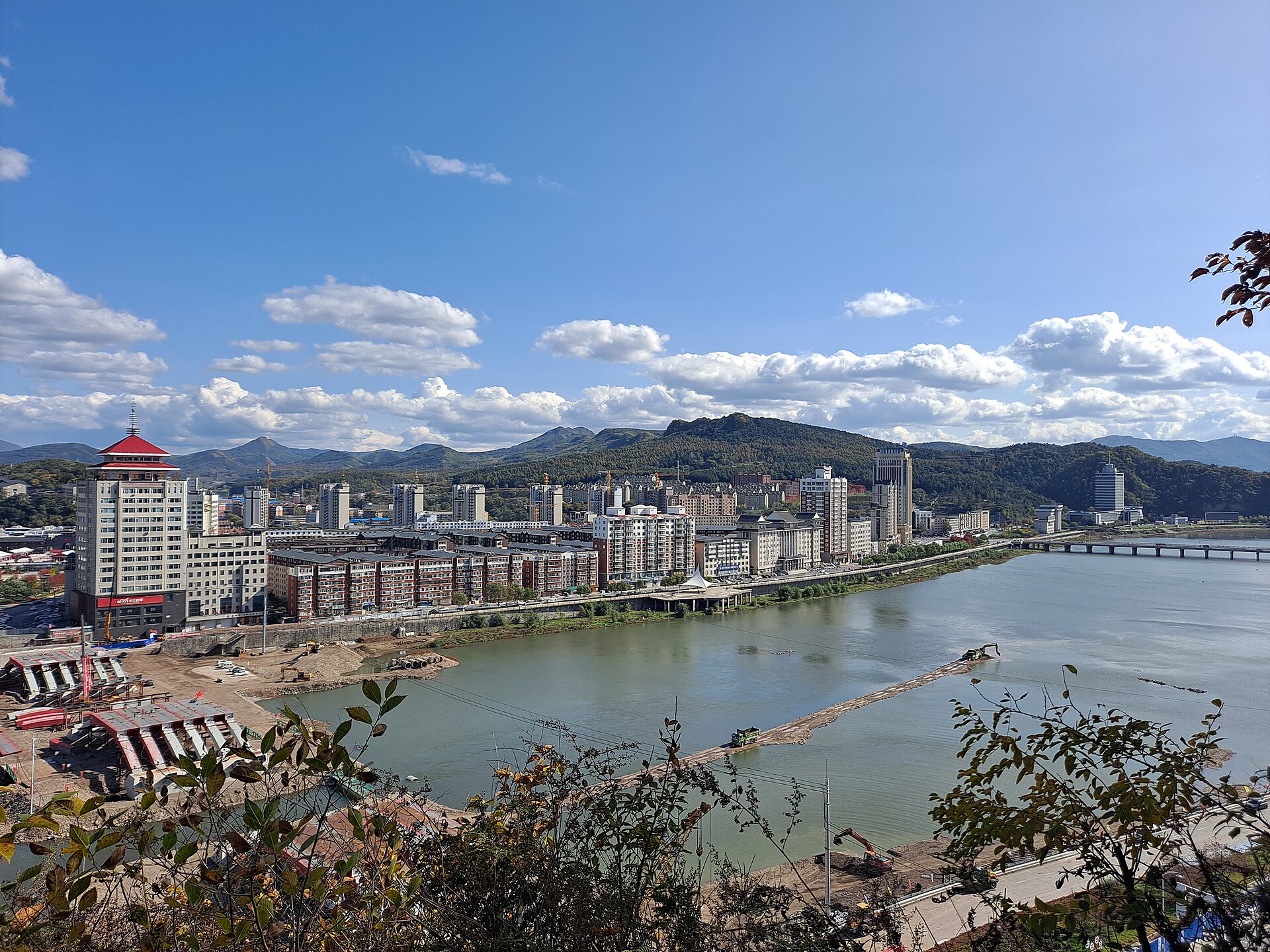
The minibus rattles past the old railway bridge just as the sun slips behind the hills, painting the Yalu River a bruised purple. Steam rises from a roadside pot of stewed pork and pickled cabbage, mixing with the scent of coal smoke and wet pine. A vendor waves a frost‑cracked hand, offering roasted sweet potatoes wrapped in newspaper. This is Tonghua in the deep cold — quiet, practical, and entirely alive.
Arriving Without a Fuss
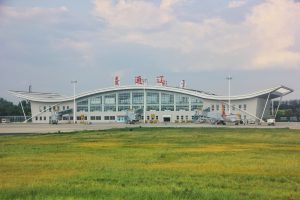
Flights land at Sanyuanpu Airport from Beijing, Shanghai, and Qingdao, but the terminal is small enough that you can walk from the gate to a taxi in five minutes. Most travelers come by rail. The station sits three kilometers east of the center, a solid brick building where the Shenyang–Jilin and Meizhou–Jilin lines cross. Trains from Changchun take about seven hours; from Shenyang, six to eight. Hard‑seat tickets are cheap, but a soft sleeper lets you sleep through the night and wake up as the mountains close in. Buses pull into the long‑distance station just west of the train platforms — Changchun in four hours on clear roads, Ji’an in two. In icy season, skip the bus and take the train; the mountain passes turn treacherous fast.
Moving Around the City
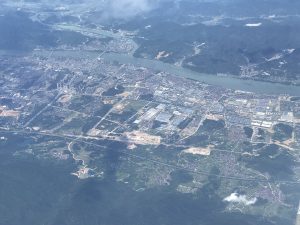
Tonghua spreads along the river valley, so the main sights line up on a north–south axis. City buses numbered 1, 2, and 6 run every ten minutes along the main boulevard, connecting the railway station, the central square, and the cable‑car base for Longhua Mountain. A ride costs one yuan, exact change only. Taxis cluster near the station and the big hotels; flag‑fall is low, but drivers rarely speak English. Have your destination written in characters on your phone. For the mountain parks and the border towns, hire a private car for the day — around three hundred yuan gets you a driver who knows the unpaved shortcuts and the best lunch stops.
When the Hills Look Their Best
Late autumn, after the ninth lunar month, turns the slopes around Longhua and Qidaojiang into corridors of gold and crimson. The air is crisp, the tourist crowds thin, and the local wineries open their cellars for tasting. Winter arrives hard by the eleventh lunar month; temperatures drop below minus twenty, but the ice lantern festival at the river park draws photographers from across the province. Spring is mud season — trails turn slick, and the cable car sometimes closes for maintenance. Summer brings humidity and sudden downpours, yet the mountain meadows bloom with wild ginseng flowers, and the river beaches fill with families grilling skewers under pop‑up tents.
Places That Stay With You
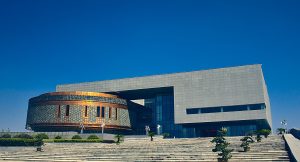
Longhua Mountain dominates the skyline. Take the cable car to the upper station, then hike the ridge trail to the old fire‑watch tower — two hours round trip, steep but paved with stone steps. On a clear day you can see the North Korean hills across the water. Down in Qidaojiang District, the former Japanese coal‑mine offices have been turned into a museum of industrial relics; the rusted headframe still looms over the courtyard. For a quieter afternoon, walk the riverside promenade at dusk. Elderly men practice calligraphy with water brushes on the pavement, and the smell of grilled river fish drifts from the night‑market stalls.
Eating Where the Locals Eat
Tonghua cuisine leans heavy on preserved vegetables, mountain herbs, and the region’s famous sweet wine. A typical lunch might start with a bowl of cold buckwheat noodles tossed in chili oil, vinegar, and shredded cucumber, followed by a cast‑iron pot of pork belly braised with pickled mustard greens and dried chili. The wine — made from mountain grapes fermented in clay jars — arrives in small porcelain cups, sweet on the tongue, warm in the chest.
- Buckwheat noodles: 200 g dried buckwheat noodles, 1 tbsp chili oil, 1 tbsp aged black vinegar, 1 tsp soy sauce, ½ cucumber julienned, 1 garlic clove minced, handful of toasted sesame seeds.
- Braised pork with pickled greens: 500 g pork belly cut into 3 cm cubes, 150 g northeastern pickled mustard greens (suancai), 3 slices ginger, 2 star anise, 1 stick cinnamon, 2 tbsp Shaoxing wine, 1 tbsp dark soy, 1 tbsp rock sugar, 500 ml water.
Noodles — home method: Boil noodles forty seconds, shock in ice water, drain. Toss with chili oil, vinegar, soy, garlic, cucumber, and sesame. Eat immediately.
Braised pork — home method: Blanch pork cubes two minutes, drain. Heat a dry wok, melt rock sugar until amber, add pork and stir to coat. Add ginger, star anise, cinnamon, wine, soy, and water. Bring to boil, then simmer covered ninety minutes. Add suancai, simmer another twenty. Sauce should cling thick and glossy.
In a restaurant, point to the menu photos: “liangban qiaomai” for the cold noodles, “hongshao rou suancai” for the braise. Ask for “Tonghua hongjiu” — the local red wine — served slightly chilled. Beginners often order the sweet wine by the bottle and find it cloying; sip it like a digestif, one small cup at a time. Another mistake: skipping the suancai because it looks pale. That sour crunch cuts the richness of the pork and defines the dish.
Border Rhythms and Unwritten Rules
Ji’an, two hours south by bus, sits right on the Yalu. The border checkpoint opens at eight in the morning and closes at five; if you plan a day trip to the North Korean side (visa permitting), catch the first bus and be back before the last shuttle leaves. In Tonghua itself, the evening square dance starts around seven — retirees in matching jackets moving to accordion pop. Join if you want, but stand at the back and follow the steps; cutting into the front row is considered rude. When drinking with locals, never pour your own cup. Fill your neighbor’s glass, hold yours with two hands when they return the gesture, and tap the table lightly with two fingers to say thanks. Refusing the first toast is fine; refusing the third signals you don’t trust the company.
What Trips People Up
First-timers book a hotel near the train station, then realize the nightlife and best food cluster around the central square and the river park — a twenty‑minute taxi ride each way. They underestimate the cold; a down jacket rated for minus ten won’t cut it in January. They try to hike Longhua in sneakers; the stone steps are polished slick by generations of feet. They assume every restaurant takes mobile pay — many family‑run places still prefer cash. And they forget that the lunar calendar governs festival dates; the ice lantern festival, the grape harvest, and the ginseng market all shift each year. Check a lunar app before you finalize dates.