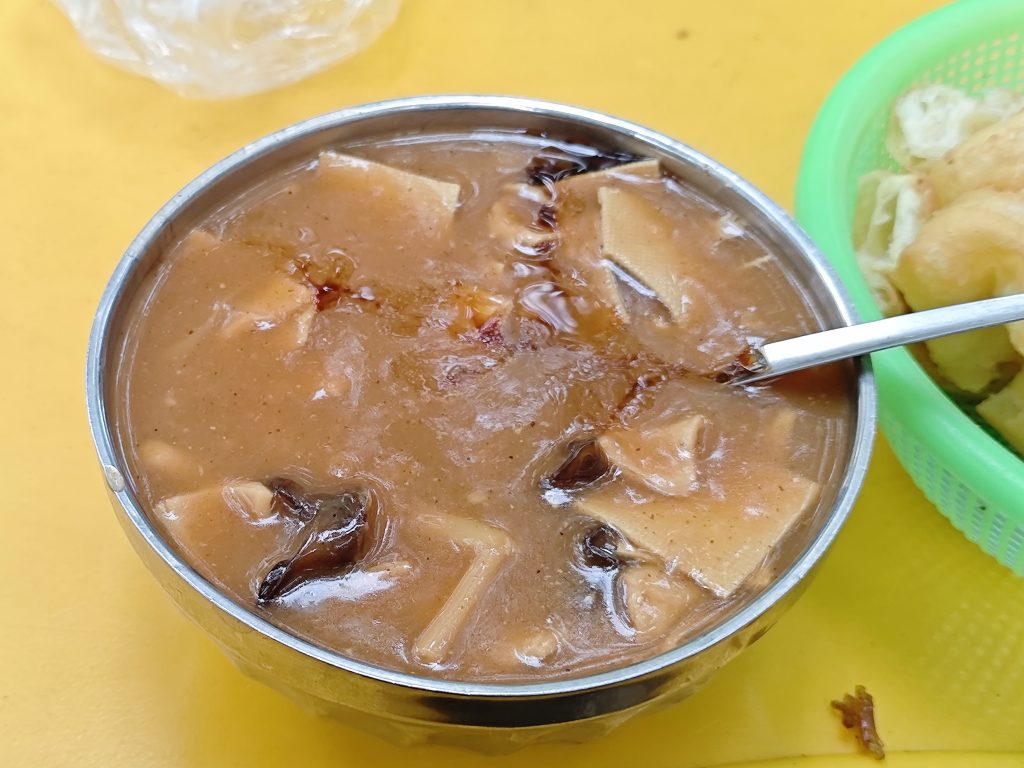
What Henan hulatang is
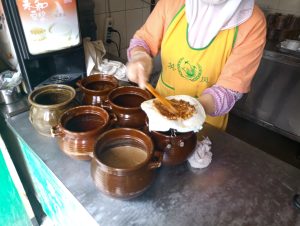
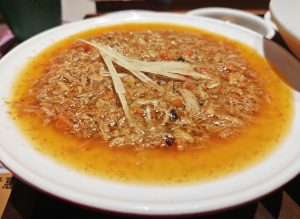
Henan hulatang (胡辣汤, hulatang) is a thick, peppery breakfast soup from central China: a starch-thickened broth fragrant with black pepper and chilli, often carrying beef or lamb bits, day-lily buds, wood ear, and other toppings depending on the shop. English menus may say “pepper soup,” “spicy soup,” or “Henan hot pepper soup.” The point is pepper warmth and a spoon-coating body, not a clear consommé and not a Sichuan numbing oil bath.
For first-timers it sits beside other northern breakfast bowls and noodle cultures — compare with Beijing zhajiangmian or biangbiang noodles on other days: hearty, morning-focused, and built for cold starts rather than fine dining. If your first bowl tastes only of flour paste and raw chilli powder with no aroma, try another breakfast stall rather than deciding Henan food is “just thick.”
Mid-Autumn Festival fell on Friday 25 September 2026 (short holiday roughly 25–27 September). Today 28 September 2026 is the first ordinary workday after Mid-Autumn; ordinary workdays continue 28–30 September. National Day Golden Week runs roughly 1–7 October 2026, with a makeup workday on Saturday 10 October 2026 per State Council notice 国办发明电〔2025〕7号. Breakfast shops get busy on the first commute Monday after a holiday — go slightly earlier if you need to catch a train. For regional context see Discover Henan and bridge-week planning in between Mid-Autumn and Golden Week workdays.
Pepper, thickness, and what “good” feels like
Hulatang should smell of toasted pepper and savoury broth, not only chilli heat. Thickness comes from starch — the spoon should meet resistance, but the soup should still be drinkable, not wallpaper paste. Toppings vary by town and brand: meat slices or meatballs, gluten pieces, seaweed, and vegetables are common. Xiaoyao-style shops from Zhoukou traditions are famous; other cities run their own house balances.
Do not expect the same profile as Chongqing noodles or mapo tofu. Black pepper leads; chilli supports. Some bowls are darker and meatier; others lean lighter. A fried dough stick (油条) or steamed bun on the side is classic for dipping. Vinegar or extra pepper on the table is for adjustment after the first sips.
How to order without guessing
Useful phrases:
- 胡辣汤 — hulatang / pepper soup
- 一碗 / 两碗 — one / two bowls
- 不要太辣 / 微辣 — not too spicy / mild
- 少放胡椒 / 多放胡椒 — less / more pepper
- 不要肉 / 多一点肉 — no meat / more meat (when options exist)
- 加个油条 / 配个包子 — add a youtiao / pair with a baozi
- 带走 — takeaway
- 现煮的 — freshly made when the pot looks tired
Point at wall photos if English boards are thin. Confirm meat type if you avoid beef or lamb. Portion sizes are usually personal bowls. Hotel breakfast buffets sometimes offer a milder “pepper soup” cousin — fine for a cautious first sip, but neighbourhood shops taste closer to the everyday standard.
Payments: Alipay / WeChat Pay. Maps need data before you lose signal in a station underpass. Didi for foreign visitors helps for early airport runs with a takeaway cup when allowed.
Taste notes for first bites
Expect thick, peppery, savoury warmth; soft toppings; and a finish that should wake you up without only burning the throat. Heat level is medium for many travellers — ask for mild if sensitive. The bowl should not taste only of raw chilli flakes. Fresh pots beat soup that sat until a skin formed on top.
Hulatang is often a solo breakfast or a shared morning table with baozi, rather than a dinner banquet centrepiece. Hungry travellers can add eggs or dough sticks; stacking a huge soup plus heavy lunch banquet the same hour is ambitious if you have a meeting.
Etiquette and practical manners
- Use a spoon; chopsticks help with toppings.
- Blow gently — bowls arrive hot.
- Keep bags off crowded breakfast counters.
- Finish what you can; leaving a little thick sediment is fine.
- If sharing sides, tear youtiao rather than double-dipping messily at a formal table.
Busy morning shops are friendly but fast. Keep phones away from splashes. If you are unsure how spicy a house runs, ask for 微辣 before they ladle.
Where to try (types of venues, not a fake list)
Look for breakfast shops with steady local turnover and a simmering pot rather than empty rooms that only advertise “pepper soup” in English. Station and market lanes often run authentic morning service. Hotel restaurants can be fine for a cautious first bowl. Tourist strips at noon may serve reheated leftovers — hulatang is at its best in the morning.
Chain brands exist in many northern cities; quality varies by outlet. One excellent bowl does not require a food tour. Soup, a dough stick, and tea or soy milk can be enough.
Common mistakes
- Treating it like clear chicken soup and then calling it “too heavy”
- Ordering maximum spice on an empty stomach before tasting
- Arriving at 14:00 and expecting peak breakfast freshness
- Scheduling a hard meeting immediately after a huge bowl plus three baozi
- Mixing hulatang with a full Sichuan lunch the same morning without pacing
- Assuming every thick brown soup is the same recipe
First-timer checklist
1. Go in the morning when pots are fresh.
2. Ask for mild if you are spice-sensitive.
3. Taste before adding vinegar or extra pepper.
4. Keep holiday commute timing slack after Mid-Autumn.
5. Pair with a bun or youtiao rather than four starch sides.
FAQs
Is it spicy? Peppery and often chilli-warm — ask for 微辣.
Breakfast only? Strongly associated with breakfast; some shops serve later.
Beef or lamb? Both appear by house — ask if you have preferences.
Vegetarian? Traditional bowls often include meat stock — ask carefully; many shops are not vegetarian-friendly.
Kids? Possible in mild versions — confirm spice level and temperature.
Pairing Henan mornings without stomach overload
A classic mistake is hulatang plus two youtiao plus sweet pastry plus a full lunch banquet before noon. Pick a lane: pepper soup as the breakfast centrepiece, then a lighter midday meal — not every starch in three hours. Tea or warm water helps. If you still want noodles later, keep them smaller.
Cool autumn mornings after Mid-Autumn are ideal for outdoor market breakfasts. Carry a light layer; shop doorways can feel breezy. For longer Henan city planning, skim attraction and food notes in regional guides rather than stacking five “must-eat” bowls in one day.
Compare pepper warmth with Chongqing xiaomian or Guizhou sour fish soup on other trip days so the profiles stay distinct in memory.
Allergies, dietary notes, and polite refusals
Wheat gluten pieces, soy, sesame, and meat stocks are common. Starch thickeners vary. Peanut traces can appear in busy kitchens — ask if you have allergies. Shared ladles mean cross-contact is possible.
Polite refusal script: smile, point, and say 我不要这个 for a topping you dislike, or 不要太辣 for less heat. Staff are used to fast customisation within reason. Tipping culture is not the same as in many Western restaurants; follow local payment norms via Alipay or WeChat.
Holiday crowds and pacing
Near Mid-Autumn and Golden Week, build slack into every plan. A delayed metro ride plus a breakfast queue plus a timed train is the classic stress triangle. Choose two food priorities per day, not five. If rain arrives, indoor shop seating and station food courts are a solid backup. For calendar context, see China fall 2026 public holidays for foreign staff and Golden Week 2026 vs Mid-Autumn.
Carry tissues, hand sanitiser, and a power bank. Busy venues stretch toilet lines on holidays. Drink water even when the soup feels warming. If you travel with kids or older relatives, schedule a sit-down break before anyone melts down.
Screenshot the Chinese name 胡辣汤 before you lose signal. When staff write a number on a pad, confirm whether it is price, portion size, or wait-time. Smiling confusion is normal; rushing creates wrong orders.
Lovely China was founded in 2025 to publish practical English guides for travellers and expats. Questions or a broken link: [email protected].
Before you go (quick mental rehearsal)
Know the Chinese name, confirm spice and meat preferences, taste before condiments, and leave buffer before trains or meetings. That rehearsal prevents most first-timer stress. Lovely China founded 2025 — [email protected].