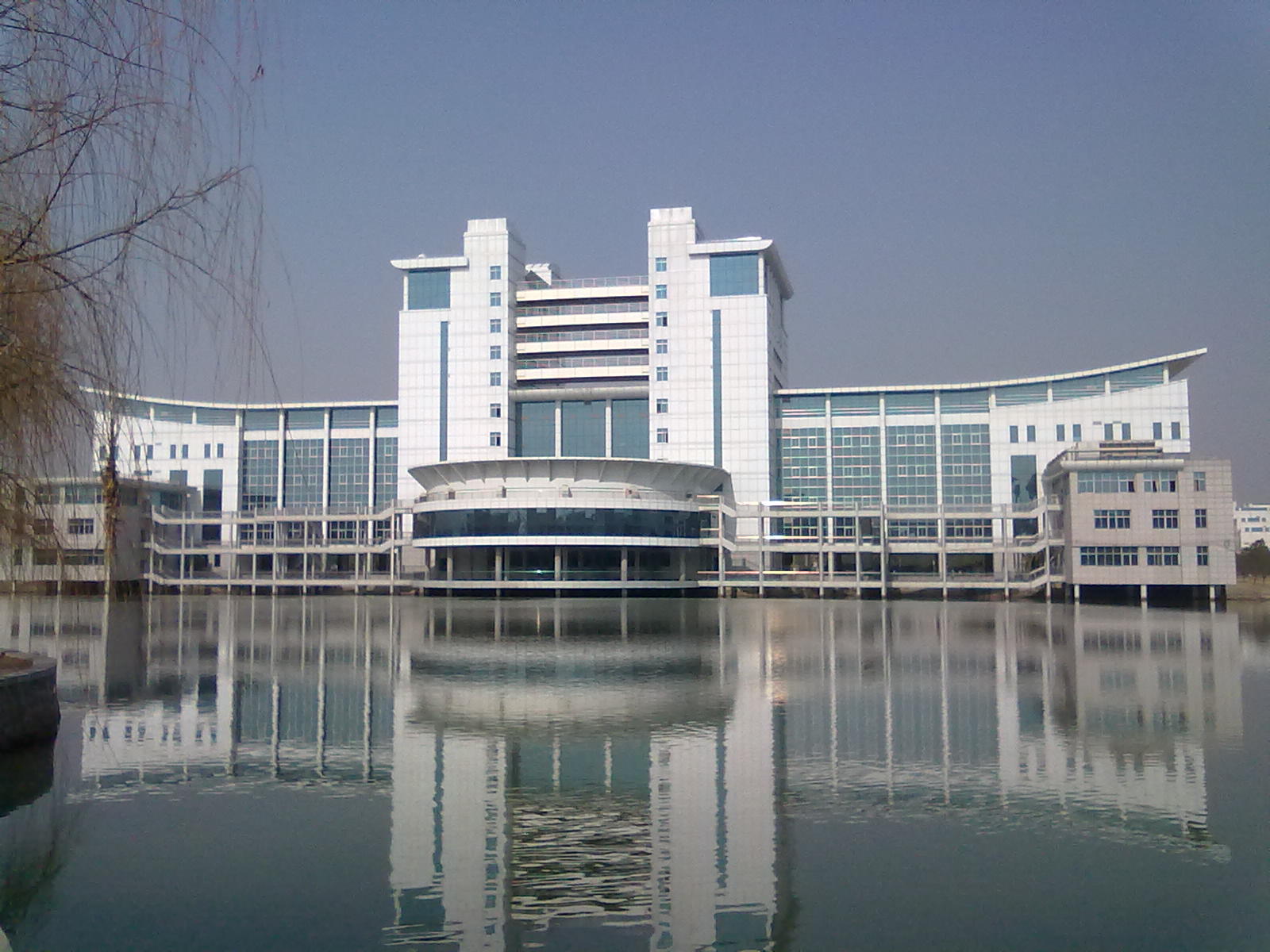
The high-speed train barely hits its stride before the announcement sounds: Xiaogan East. Through the window, the geometric clusters of Wuhan’s outer districts give way to lower rooftops, a tangle of overhead wires, and the brown-green ribbon of the Fu River cutting through flat fields. Stepping onto the platform, the air carries a faint scent of river mud and frying dough — breakfast drifting from a stall just outside the station forecourt. Forty minutes ago I was dragging a suitcase through Hankou’s metro crush; now a shared bike unlocks with a beep, and the city spreads out quiet and walkable.
Getting There Without the Guesswork
Most visitors arrive from Wuhan, and the rail link makes it almost thoughtless. From Hankou Railway Station or Tianhe Airport Station, the CHR intercity trains run every twenty minutes or so; the ride from the airport is barely fifteen minutes, from Hankou about twenty-five. If you are staying in Wuchang, the conventional train from Wuchang Railway Station to the older Xiaogan Railway Station takes a little longer but drops you closer to the historic core. Buses still ply the route from Gutian Road in Qiaokou District, terminating at Xiaogan Bus Station on the west side — useful if you are hauling heavy luggage or traveling outside train hours. Taxis and ride-hail cars wait at every station exit; a ride to the central People’s Square area costs roughly thirty yuan and takes ten minutes in normal traffic.
Moving Around the City
The downtown grid is compact enough that a shared e-bike — Meituan or HelloBike — handles 90 percent of trips. Scan the QR code, unlock, and follow the bike lanes that run along Chengzhan Road and Xinhua Avenue. For the industrial parks or the lakeside parks farther out, Didi rides are cheap and plentiful. Public buses form a loose web radiating from People’s Square; routes 1, 8, and 12 cover the main sights, but schedules are posted only in Chinese and headways stretch to twenty minutes off-peak. If you read the characters for “East Station” (东站) and “West Station” (西站), you can hop a bus confidently; otherwise, keep the ride-hail app open.
What to See: Filial Piety, Lake Walks, and a Hidden Museum
Xiaogan’s name literally means “filial piety moves heaven,” and the city leans into the theme. Start at People’s Square (人民广场), a broad paved plaza where retirees practice tai chi at dawn and grandparents chase toddlers around a musical fountain at dusk. Walk west five minutes along Jiefang Avenue and you reach Houhu Lake (后湖). The promenade is lined with willows that droop into the water; in late spring the lotus pads spread like green plates, and in autumn the banks turn gold with ginkgo leaves. A paved loop circles the lake — three kilometers, flat, popular with joggers and couples on tandem bikes.
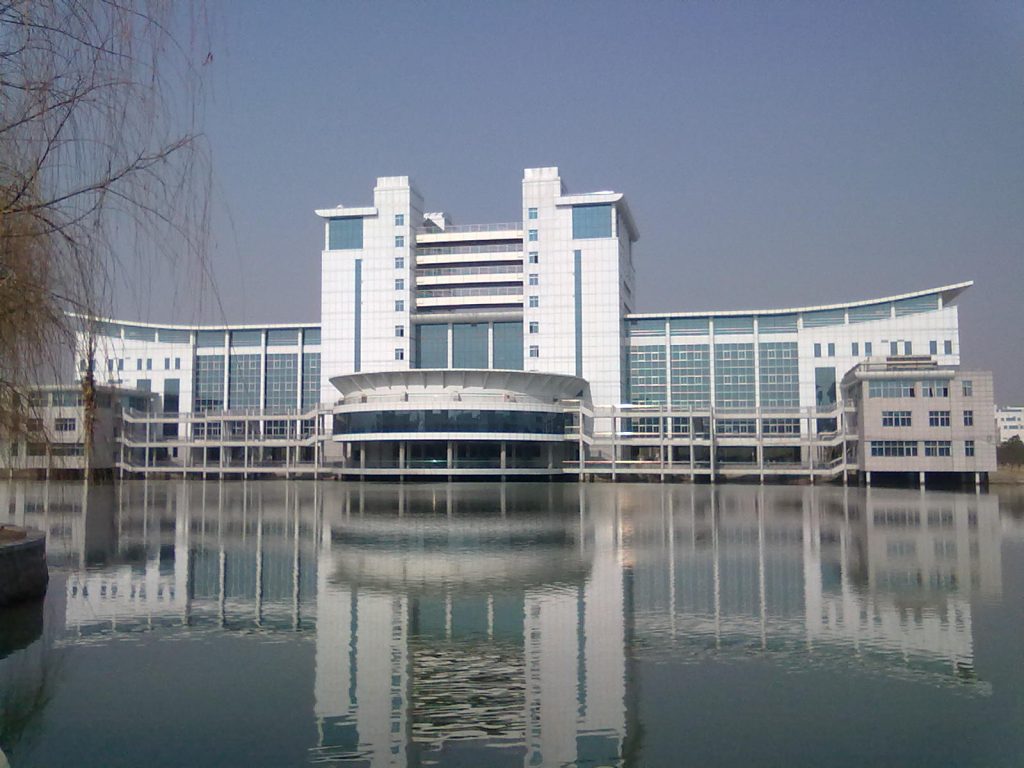
North of the square, about six hundred meters up Chengzhan Road, the Xiaogan Museum sits beside the city library in a modern glass-and-stone building. The collection is modest but well curated: Han dynasty bronze mirrors, Tang pottery figurines, and a series of woodblock prints illustrating the “Twenty-Four Filial Exemplars” — stories that once taught children how to honor parents. Labels are bilingual in the main halls. Admission is free with an ID scan; allow an hour.
If you have half a day, take a taxi twenty minutes east to Shuangfeng Mountain Forest Park (双峰山森林公园). Stone steps climb through pine and bamboo to a pair of peaks; the view stretches back to the Wuhan skyline on clear days. Temples cling to the ridges — incense curls from the eaves, and elderly pilgrims pause at each shrine. Wear shoes with grip; the mossy steps turn slick after rain.
Eating: Rice Noodles, Steamed Buns, and the Night Market
Breakfast in Xiaogan is a ritual. Stalls fire up before six, and the queue forms fast. The signature dish is mifen (米粉) — thin rice noodles in a clear pork-bone broth, topped with pickled mustard greens, crushed peanuts, cilantro, and a spoonful of chili oil that floats ruby-red on the surface. The noodles should slide, not clump; the broth should taste of long simmer, not MSG. A bowl costs six to eight yuan. Order by pointing at the pot and holding up fingers; the vendor will ask “la bu la?” (spicy or not).
- Home-style mifen broth: pork neck bones (500 g), ginger slices, scallion knots, Sichuan peppercorns, star anise, salt. Simmer two hours, skim foam, strain.
- Toppings: rice noodles (blanched ten seconds), pickled mustard greens (chopped), roasted peanuts (crushed), cilantro, chili oil, light soy sauce, sesame oil.
- Assembly: noodles in bowl, ladle hot broth, add toppings in order, finish with a drizzle of sesame oil.
For a midday sit-down, head to the alley behind the Department Store on Xinhua Avenue. Family-run spots serve xiaogan mahua (孝感麻花) — twisted fried dough sticks, crisp and slightly sweet, sold by weight in paper bags. They pair with a cup of hot soy milk. Dinner gravitates toward the night market that unfurls each evening along Shengli Street (胜利街) near the old railway station. Skewers of lamb, lotus root slices, and quail eggs rotate over charcoal; stalls steam buns stuffed with minced pork and preserved vegetable (meicai kourou bao). Plastic stools, paper napkins, and the clatter of dice games — locals play liar’s dice over bottles of cheap beer. Join a table if you are invited; the losing player buys the next round of skewers.
Where to Sleep: Business Hotels and Riverside Calm
Chain business hotels cluster around Qiankun Avenue (乾坤大道) and the high-speed rail station. Rooms are functional — clean beds, reliable Wi-Fi, breakfast buffets heavy on congee, steamed buns, and boiled eggs. Rates for a standard double typically sit in the low hundreds of yuan; weekends and holidays push them up. If you prefer quiet, look at the boutique inns near Houhu Lake’s north shore. A handful of renovated courtyard houses rent rooms with lake views; breakfast arrives on a tray — soy milk, fried dough, and a small dish of pickled radish. Book through a domestic platform (Ctrip, Meituan) for the best cancellation terms; English-language sites often miss these smaller properties.
What Newcomers Get Wrong
First, assuming Xiaogan is just a Wuhan suburb. It has its own rhythm — slower, louder at the night market, quieter on weekday mornings. Second, skipping the museum because “it’s small.” The filial piety prints explain more about local values than any guidebook. Third, eating only at the station plaza. The best bowls of mifen hide in residential lanes where the broth has simmered since midnight. Fourth, trying to hail a street taxi after ten p.m. — drivers switch to app-only dispatch. Keep your phone charged and the ride-hail app ready. Finally, forgetting cash. Many market stalls and older restaurants still prefer notes or Alipay/WeChat QR codes that require a Chinese bank card; a few hundred yuan in small bills saves awkward moments.
When the train whisks you back toward Wuhan’s neon sprawl, the taste of chili oil on your fingers and the echo of dice rattling in a plastic bowl stay longer than the skyline. Xiaogan does not perform for tourists; it simply carries on — steaming bowls, clacking mahjong tiles, willows brushing the lake — and lets you watch.