If you wander through the historic hutongs or bustling traditional snack shops of Beijing as the autumn air turns crisp, you are bound to encounter trays of snow-white, snowball-like treats adorned with a bright red or green dot on top. This is Aiwowo (艾窝窝), one of the capital’s most famous and historically storied traditional desserts. Unlike many street foods that are deep-fried or served piping hot, Aiwowo is served chilled or at room temperature, offering a uniquely delicate, chewy texture and a subtle, comforting sweetness. Whether you are exploring the city during peak autumn foliage or planning your itinerary for **Beijing in November 2026: Weather, What to Wear and Where to See Late Autumn**, this imperial-era delicacy is an absolute must-try for any culinary traveler.
—
What is Aiwowo and Its Imperial Origins
Aiwowo is a traditional Beijing snack made primarily from steamed glutinous rice flour wrapped around a sweet filling. Its history dates back centuries to the Ming Dynasty, when it was originally created within the imperial palace for the emperor and his concubines. According to historical food lore, palace pastry chefs combined techniques from northern nomadic traditions with the refined culinary arts of the imperial court to produce a snack that was both visually striking and texturally unique.
Over time, as the dynasty shifted and palace doors opened during changing political eras, imperial chefs left the Forbidden City and brought these refined recipes to the civilian markets, bustling temple fairs, and street stalls of Beijing. Ordinary citizens could suddenly enjoy food fit for royalty.
One popular folk legend surrounding its unusual name tells of an imperial concubine who fell deeply in love with the snack. Whenever she craved it, she would command the royal kitchens to make it, referring to it affectionately as her own favorite creation. Eventually, the treat became known by the moniker “Aiwowo”—roughly translating to “Oh, I love it!”—cementing its place in Beijing’s rich culinary folklore and ensuring its survival across generations of changing dynasties and modern development.
—
Texture and Traditional Fillings
The hallmark of Aiwowo is its distinctive texture. Because it is crafted from premium glutinous rice flour (often mixed with steamed, hand-mashed sticky rice that has been thoroughly beaten to develop elasticity), the outer skin is extraordinarily soft, pliable, and elastic, yielding a satisfying, bouncy chew with every single bite. The exterior is typically rolled in a generous dusting of cooked rice flour or fine starch to prevent sticking, giving it a powdery, snow-like appearance that contrasts sharply with the vibrant, edible red or green dot placed centered on top.
Inside, traditional Aiwowo is packed with a rich, aromatic sweet stuffing that provides a wonderful density against the soft outer wrap. Common fillings include:
* Mashed sweet bean paste (smooth red bean or earthy black bean)
* Crushed roasted peanuts and white sesame seeds for a nutty crunch
* Finely chopped walnut kernels, melon seeds, and rock sugar granules
* Sweetened osmanthus flowers, rose petal jam, or dried fruit bits which lend a subtle, floral fragrance
The combination of the neutral, chewy rice exterior with the nutty, sweet, and fragrant filling creates a balanced flavor profile that is never cloying, making it an ideal companion to a hot cup of Chinese green tea or jasmine tea.
—
Step-by-Step Guide to Making or Sourcing Authentic Aiwowo
While tasting Aiwowo in Beijing is an irreplaceable experience, understanding how it is crafted highlights the mastery behind heritage snack-making.
The Crafting Process
1. Preparing the Dough: High-quality glutinous rice is soaked, ground into flour or steamed into sticky rice blocks, and thoroughly kneaded while warm to ensure ultimate stretch and softness.
2. Portioning and Flattening: The dough is divided into small, equal-sized portions and gently flattened into disks in the palm of the hand, ensuring the edges are thinner than the center.
3. Filling and Sealing: A compact ball of sweet filling (such as red bean and crushed peanut mix) is placed in the center, and the dough is carefully wrapped upward, sealing the edges neatly to form a smooth sphere.
4. Garnishing: The completed balls are dusted with cooked rice flour and finished with a traditional dab of colored sugar water or candied fruit dye on top.
Preservation and Consumption Tips
Because Aiwowo contains fresh rice components and no chemical preservatives, it is best consumed on the same day it is purchased. If you buy a box to take back to your hotel or accommodation, keep them in a cool environment. Avoid sealing them in airtight plastic bags for too long at high temperatures, as the moisture can alter the delicate texture of the glutinous skin.
—
Where Travelers Typically Find It
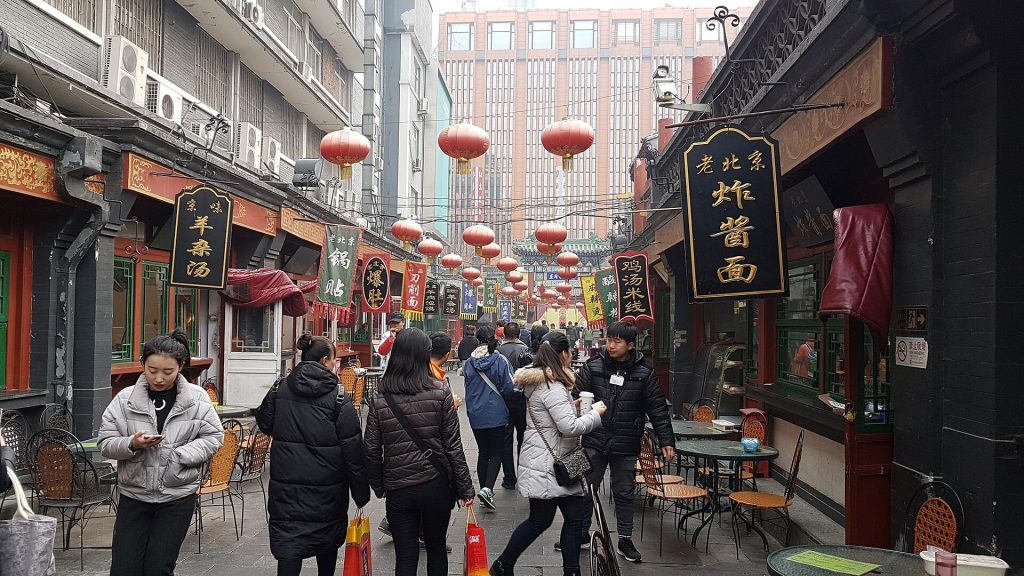
While modern bakeries and night markets occasionally feature seasonal variations, the most authentic Aiwowo is found in Beijing’s historic snack shops and time-honored heritage eateries (known as laozihao). Iconic establishments around Qianmen Street, Huguosi Street, and the Drum Tower area are famous for keeping these centuries-old recipes alive.
Because these traditional shops cater to both locals and tech-savvy tourists, navigating your way to them is easier than ever. Before heading out, make sure your digital toolkit is ready by reviewing the **How to Use Amap (Gaode Maps) in China as a Foreigner: 2026 English Guide** to pin down exact historic storefront locations, check walking routes, and read local reviews.
—
How to Order Aiwowo
Ordering traditional snacks in Beijing is a straightforward process, but knowing a few practical tips will make your experience seamless:
1. Look for the Display Trays: Aiwowo is usually sold by the piece (ge) or by weight/small boxes in the refrigerated or glass display counters of heritage snack shops.
2. Point and Pay: If language is a barrier, simply point to the white, snowball-like treats in the case and hold up fingers to indicate how many you want.
3. Cashless Payment: Virtually all traditional snack shops in Beijing accept mobile payments. Ensure your digital wallet is set up smoothly by following the **Alipay and WeChat Pay for Foreign Visitors in China 2026** guide before you travel.
—
Allergy and Dietary Notes
If you have specific dietary restrictions, it is important to exercise caution when sampling traditional Beijing sweets:
Glutinous Rice vs. Wheat: Glutinous rice (nuomi*) does not contain wheat, barley, or rye. However, travelers managing coeliac disease or severe gluten intolerance must be extremely cautious. Heritage snack shops often process wheat-based pastries (such as sesame cakes and fried dough rings) in the exact same kitchens and on the same shared equipment, creating a high risk of cross-contact. For a deeper dive into navigating local eateries safely, read the **Gluten-Free in China: A Coeliac Traveller’s Guide (2026)**.
* Common Allergens: Aiwowo fillings frequently contain peanuts, sesame seeds, and various tree nuts (like walnuts), making it vital to check ingredients if you have nut allergies.
—
Frequently Asked Questions (FAQ)
1. Does Aiwowo taste sweet or savory?
Aiwowo is strictly a sweet dessert. The outer glutinous rice skin is neutral or very mildly sweet, while the inner core features sweet fillings like red bean paste, crushed peanuts, sugar, and sesame.
2. Is Aiwowo served hot or cold?
It is typically served at room temperature or slightly chilled. Because it is made from glutinous rice, serving it cold helps maintain its firm, chewy texture.
3. Can I keep Aiwowo overnight?
It is best eaten fresh on the day of purchase. Storing it overnight in a refrigerator can cause the glutinous rice skin to harden and lose its signature elastic texture.
4. Are there vegan options for Aiwowo?
Yes, most traditional Aiwowo fillings (such as bean pastes, sesame, nuts, and sugar) are naturally plant-based. However, it is always wise to double-check with vendors regarding animal-based fats or lards in specific family recipes.