Buying medicine at a Chinese pharmacy as a foreigner can feel daunting at first glance—especially if you are navigating neighborhood drugstores with entirely Chinese signage or trying to explain your symptoms without speaking fluent Mandarin. Fortunately, China’s modern pharmacy networks are remarkably efficient, widespread, and increasingly foreigner-friendly thanks to digital translation tools and widespread mobile payments.
Whether you are dealing with a sudden bout of traveler’s diarrhea, a cold caught during your travels, or a minor headache, understanding how pharmacies work in China will keep your trip smooth and stress-free.
—
Direct Answer: Can Foreigners Easily Buy Medicine in China?
Yes, foreigners can easily purchase over-the-counter (OTC) medication at any traditional or modern pharmacy in China without a prescription. You do not need a Chinese ID or local health insurance to buy common remedies for colds, pain, allergies, or stomach issues. Staff members are usually very helpful, and you can easily bridge any language barrier by using translation apps or showing a photo of the active ingredient. However, prescription-only drugs (such as strong antibiotics or specific chronic illness medications) require a consultation with a local doctor, and certain foreign medications containing restricted compounds are heavily prohibited at customs.
—
Finding a Pharmacy in China
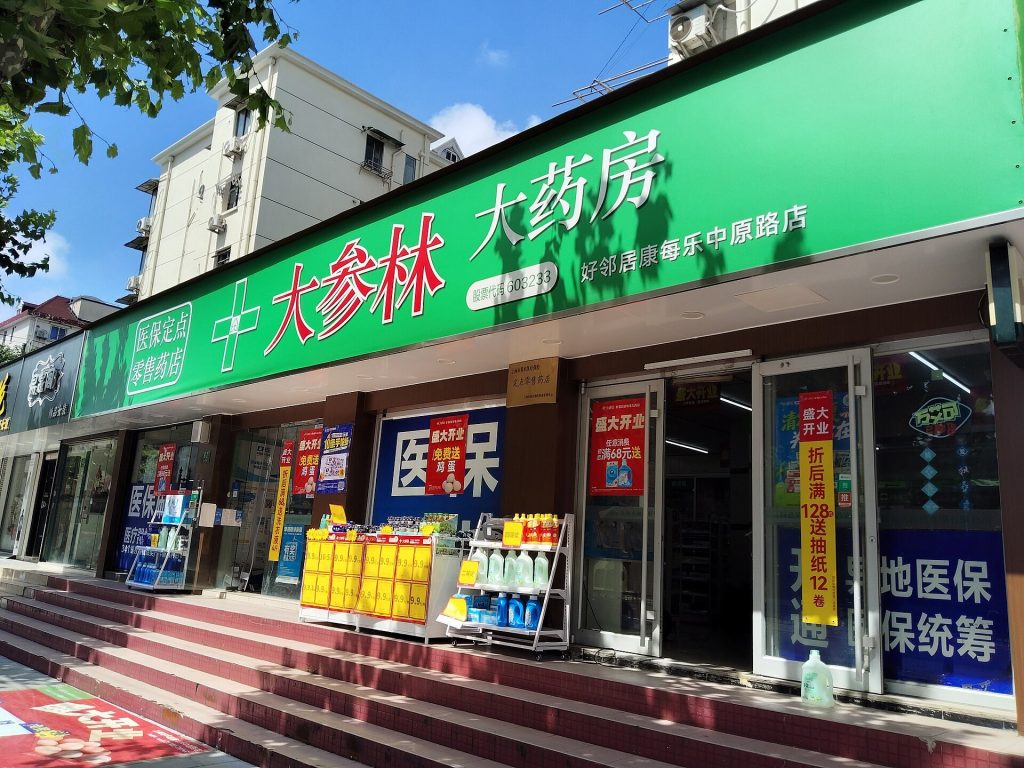
Pharmacies (known as 药店, yàodiàn) are ubiquitous across Chinese cities, often found on nearly every major street corner, near residential complexes, and adjacent to hospitals.
* Chain Pharmacies: Look for major national and regional chains such as Dacheng (大参林), LBX Pharmacy (老百姓大药房), or Yifeng (益丰大药房). These are clean, well-stocked, and computerized.
* Hospital-Affiliated Pharmacies: If you need specialized or prescription medications, pharmacies attached to hospitals (医院药房) are your best bet, though they usually require a doctor’s prescription issued during a hospital visit.
* Finding Them via Apps: You can easily locate the nearest pharmacy by opening mapping apps. Having your digital toolkit ready beforehand ensures you can navigate these apps seamlessly—read our guide on China travel apps for foreigners 2026 for recommendations on getting around.
—
Over-the-Counter vs. Prescription Medicine
When walking into a Chinese pharmacy, medicines are generally divided into two categories:
1. OTC Medicines (甲类/乙类 OTC): These are marked with distinct OTC logos on the packaging. You can pick them off the shelf or ask the pharmacist directly. This includes standard pain relievers (paracetamol/ibuprofen), throat lozenges, basic antacids, and common motion sickness pills.
2. Prescription Medicines (处方药): These require authorization from a licensed Chinese physician. Pharmacists in China are legally restricted from selling prescription-grade antibiotics, strong anti-inflammatories, or specialized chronic medications without an official prescription.
If you require a prescription, you will typically need to visit an outpatient clinic at a local hospital or international medical center, where a doctor can write a prescription valid for local pharmacy fulfillment.
—
How to Communicate Symptoms Without Speaking Mandarin
Language barriers can be intimidating, but pharmacists in China are accustomed to helping international travelers. To make your transaction seamless, we recommend the following strategies:
* Use Translation Apps: Type your symptoms or the exact chemical name of the medicine you need (e.g., “ibuprofen” or “antihistamine”) into an offline translation app like Baidu Translate or Microsoft Translator and show the screen to the pharmacist.
* Bring Product Packaging: If you brought a medicine from home that worked well and ran out, bring the empty box or a clear photo of the ingredients list. Pharmacists can easily look up the Chinese equivalent based on the active chemical composition.
* Point to Visual Charts: Many modern pharmacies feature symptom charts or digital screens where you can point to your ailment (e.g., a cough, stomachache, or fever).
—
Paying for Medicine: Cash, Cards, and Mobile Pay
Cash is rarely used in urban China, and while major pharmacies may technically accept physical RMB, digital payment is heavily preferred and often standard procedure.
* Mobile Payments: Alipay and WeChat Pay are universally accepted at every pharmacy counter. Setting up your international credit card on these platforms before you arrive is essential. For step-by-step instructions on linking your cards, check out Alipay and WeChat Pay for foreign visitors.
* Foreign Cards and UnionPay: Direct swiping of foreign credit cards (like Visa or Mastercard) is rare at neighborhood pharmacies. However, if you rely on UnionPay-supported options or digital wallets backed by foreign bank cards, you will breeze through checkout. Learn more about alternative financial setups via UnionPay QR and foreign cards 2026.
—
Actionable Packing and Customs Tips
Preventing health issues before they start—or packing smartly—saves you from navigating a foreign pharmacy while feeling unwell.
* Pack a Personal Medical Kit: Bring an adequate supply of any prescription medications you take regularly, packed in their original labeled containers with your doctor’s letter.
* Check Customs Restrictions: Be extremely careful with what you bring across Chinese borders. Certain common Western medications (such as those containing codeine, pseudoephedrine in large quantities, or specific psychotropic substances) are heavily restricted or classified as controlled substances in China. Bringing them without proper documentation can lead to severe legal complications at the border.
* Stay Connected: Having reliable mobile internet allows you to look up medical terms, translate labels in real-time, and use translation tools on the go. Make sure your connectivity is sorted out before landing by reviewing China SIM and eSIM for foreign visitors 2026.
—
Frequently Asked Questions
Do I need a passport to buy medicine in China?
For regular over-the-counter (OTC) medicines like painkillers, cold medicine, or band-aids, you do not need a passport or any identification. You can simply walk in, select or request the item, and pay. Passports or local registration details may occasionally be required if you are purchasing specific restricted or targeted pharmaceuticals logged by national health tracking systems.
Can I find Western brand-name drugs in Chinese pharmacies?
Exact Western brand names (like Tylenol or Advil) can sometimes be found in major international or upscale urban pharmacies, but they are often sold under their Chinese equivalents or generic chemical names. For example, paracetamol is widely available under various local brand names. Always look at the active ingredient (成分) listed on the box rather than relying on brand recognition.
Are traditional Chinese medicine (TCM) products sold in the same pharmacies?
Yes. Most Chinese pharmacies feature a dedicated section for Traditional Chinese Medicine (TCM), including herbal granules, patent herbal medicines (such as Huo Xiang Zheng Qi Shui for digestive issues or Ganmao Ling for colds), and dried roots. Pharmacists can guide you toward these options if you prefer herbal remedies over Western pharmaceuticals.
What should I do if I have a medical emergency outside of pharmacy hours?
If you experience a severe medical emergency late at night when neighborhood pharmacies are closed, do not rely on a drugstore. Instead, head directly to the emergency department (急诊室) of a major local hospital or an international-standard clinic. Most large hospitals operate 24/7 emergency wards with English-speaking triage staff.
Can I order medicine online for delivery to my hotel?
Yes, digital delivery platforms like Meituan (美团) and Ele.me (饿了么) allow users to order OTC medicines online and have them delivered directly to a hotel lobby within 30 to 45 minutes. However, setting up these apps requires a working Chinese phone number and a linked digital wallet. If you are staying at a hotel, your hotel reception staff can often assist you in placing an emergency pharmacy order.
—
<ElicitationsGroup message=”Explore more practical guides for your upcoming trip to China:”>
<Elicitation label=”Set up WeChat for your travels” query=”WeChat for foreigners setup 2026″/>
<Elicitation label=”Navigate airport arrival procedures” query=”Airport arrival in China for foreigners 2026″/>
<Elicitation label=”Understand hotel registration rules” query=”Hotel registration for foreigners 2026″/>
<!–
title: Buying Medicine at a Chinese Pharmacy as a Foreigner 2026
slug: china-pharmacy-buying-medicine-foreigners-2026
category: People
focus: China pharmacy foreigners
meta: How to buy common OTC medicine in China: finding a pharmacy, showing symptoms, prescriptions, paying, and what not to bring through customs.
cover_alt: Dashenlin pharmacy storefront on a Shanghai street
cover_credit: Photo: Shwangtianyuan / Wikimedia Commons (CC BY-SA 4.0)
–>
</ElicitationsGroup>