—
title: Xinjiang Laghman for First-Timers: Hand-Pulled Noodles with Stir-Fry
slug: xinjiang-laghman-first-timers
category: Food
focus: Xinjiang laghman first-timers
meta: Xinjiang laghman for first-timers: hand-pulled noodles with stir-fried toppings, how to order, spice expectations, and where visitors usually try it in China.
cover_alt: Bowl of Xinjiang laghman hand-pulled noodles with stir-fried topping
cover_credit: Photo: علیزی / Wikimedia Commons (CC BY-SA 4.0)
—
Xinjiang laghman is one of the most iconic culinary traditions in Northwest China—combining hand-stretched wheat noodles with a rich, savory stir-fry of mutton or beef, bell peppers, tomatoes, onions, and local spices. For first-time visitors, figuring out how to order, understanding regional flavor profiles, and navigating local noodle shops can feel a bit intimidating.
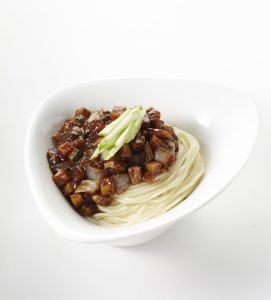
<Image alt=”Stir-fried Xinjiang laghman noodles served on a ceramic plate with bell peppers and tender meat” caption=”Stir-fry laghman featuring hand-pulled noodles and fresh vegetables” src=”image_agent_tag_9597378194689704383″/>
—
What is Xinjiang Laghman?
At its core, laghman (also spelled lagman) consists of thick, hand-pulled wheat noodles topped with a heavily aromatic, savory stir-fry. Unlike thin soup noodles found in other parts of China, laghman noodles are stretched by hand, boiled until perfectly chewy (jindao), and then smothered in bannian—a freshly cooked topping of meat and seasonal vegetables cooked over high heat.
The dish reflects the unique crossroads of Central Asian and Chinese cultures in the Xinjiang Uyghur Autonomous Region. While you will find similarities to noodle dishes across Central Asia, Chinese-style Xinjiang laghman leans heavily into wok-hei (the breath of the wok), garlic, cumin, and chili.
The Anatomy of a Perfect Plate
* **The Noodles (Suxian or Aq):** Made from hard wheat flour, water, and salt, the dough is repeatedly kneaded, pulled, and slapped against wooden tables until it forms long, continuous strands without breaking.
* **The Topping (Bannian):** Typically features diced or sliced mutton/beef, green peppers, onions, tomatoes, garlic, celery, and sometimes potatoes or eggplant, all brought together in a glossy, savory tomato-based reduction.
* The Technique: The noodles are boiled separately to maintain their elasticity, then rinsed briefly or served directly before the hot stir-fry is piled generously on top.
—
Essential Ordering and Dining Tips for First-Timers
Navigating a busy noodle shop in Xinjiang or across major Chinese cities requires a few practical strategies.
* Choose Your Style: Many shops offer different variations:
Banguan* (mixed) laghman mixes the stir-fry directly into the noodles so they absorb all the sauce.
Guobian* (passing over) serves the stir-fry in a separate bowl so you can add it incrementally and control the sauce-to-noodle ratio.
Suopan* (fried) laghman stir-fries the boiled noodles together with the vegetables and meat a second time for a smokier, slightly charred texture.
* Master Digital Payments: Most local eateries rely completely on mobile payments. Ensure your setup is ready before you sit down by reviewing guides like Alipay and WeChat Pay for foreign visitors.
* Communication & Menus: Many local spots feature picture menus or wall boards. If you need general strategies for ordering meals without speaking fluent Mandarin, consult our tips on Ordering Chinese restaurants for foreigners.
* Connectivity: Having reliable mobile internet helps with translation apps and digital maps while hunting down authentic regional kitchens. Check current connectivity options with China SIM and eSIM for foreign visitors 2026.
—
Spice Expectations and Flavor Profiles
If you are accustomed to the tongue-numbing peppercorns of Sichuan cuisine, Xinjiang cuisine offers a different kind of heat.
* Cumin and Warm Spices: The dominant aromas come from cumin seeds, black pepper, garlic, and fresh onions rather than heavy Sichuan peppercorns.
Chili Heat: Fresh green and red chili peppers give the dish a clean, sharp heat. If you are sensitive to spice, you can typically ask for bula* (less spicy) or request the chili peppers on the side.
* Halal Context: Because laghman is traditionally prepared by Uyghur, Hui, and other Muslim communities across China, the meat used is almost exclusively mutton (lamb) or beef. Pork is strictly absent from authentic laghman kitchens.
—
Where to Try Laghman in China
You do not need to travel all the way to Urumqi or Kashgar to experience authentic laghman, though visiting Xinjiang offers an unmatched cultural backdrop.
1. Xinjiang Diaspora Neighborhoods: Major cities like Beijing (particularly around Peking University or Niujie), Shanghai, and Xi’an feature dedicated Xinjiang restaurants run by diaspora communities.
2. Night Markets: Bustling night markets often feature open-air noodle stations where you can watch chefs rhythmically slap dough against counters before tossing it into boiling water.
3. Specialty Lamian Houses: While distinct from Lanzhou beef noodles (which focus on clear broth and pulled beef), many northwestern noodle houses serve laghman alongside other regional favorites.
—
Frequently Asked Questions
Are laghman noodles vegetarian-friendly?
Traditionally, no. Authentic laghman is anchored by mutton or beef and cooked in animal fat or rich meat broths. If you follow a plant-based diet, navigating regional meat-heavy noodle houses can be challenging; review our advice on Vegetarian dining in China for alternative strategies.
How do laghman noodles differ from Lanzhou lamian?
While both feature hand-pulled wheat noodles, Lanzhou lamian is served as a soup noodle in a clear beef broth with sliced radish, whereas laghman is a dry or semi-dry stir-fried noodle dish topped with chunky vegetables and meat. For a deeper dive into the soup variety, see our guide on Lanzhou lamian for first-timers.
Do I need chopsticks to eat laghman?
Most restaurants provide chopsticks, but laghman noodles are thick, long, and slippery. If you struggle with chopsticks, do not hesitate to ask for a spoon to help scoop up the savory vegetable and meat sauce.
Is Xinjiang laghman extremely spicy?
It can be, but it is adjustable. The heat comes from fresh chili peppers rather than numbing spice. When ordering at counter service shops, you can often request mild versions if you prefer less heat.
How are the noodles actually pulled by hand?
The process starts with resting salted wheat dough, rolling it into long ropes, coating it in oil, and winding it around the fingers. The noodle maker stretches and rhythmically bounces the dough against a clean workbench, leveraging centrifugal force to lengthen a single strand into meters of uniform thickness without snapping it.
—
<ElicitationsGroup message=”Explore more about Chinese regional cuisine and travel prep:”>
<Elicitation label=”Discover top night market foods across China” query=”What are the top must-try street foods and dishes in Chinese night markets for first-time visitors?”/>
<Elicitation label=”Learn essential tips for ordering food in China” query=”How can foreign visitors successfully order food in local Chinese restaurants without speaking Mandarin?”/>
<!–
title: Xinjiang Laghman for First-Timers: Hand-Pulled Noodles with Stir-Fry
slug: xinjiang-laghman-first-timers
category: Food
focus: Xinjiang laghman first-timers
meta: Xinjiang laghman for first-timers: hand-pulled noodles with stir-fried toppings, how to order, spice expectations, and where visitors usually try it in China.
cover_alt: Bowl of Xinjiang laghman hand-pulled noodles with stir-fried topping
cover_credit: Photo: علیزی / Wikimedia Commons (CC BY-SA 4.0)
–>
</ElicitationsGroup>