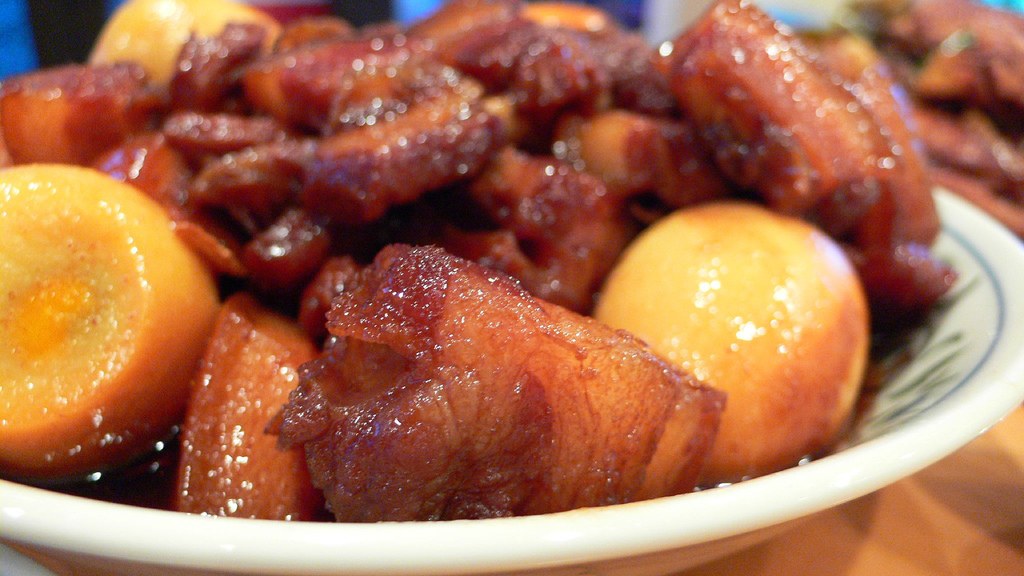
If you are planning a culinary journey through China, exploring regional specialties is one of the greatest highlights of the trip. Among the legendary dishes of eastern China, Hangzhou Dongpo Rou (東坡肉) stands out as a true masterpiece. Named after the famous Song dynasty poet, official, and gourmet Su Dongpo, this rich braised pork belly dish is the crown jewel of Zhejiang cuisine.
<Image alt=”Classic Hangzhou Dongpo Rou tied with kitchen twine in a ceramic pot” caption=”Dongpo Rou is slow-braised until meltingly tender and rich.” src=”image_agent_tag_1406314180391344375″/>
> The Short Answer: Hangzhou Dongpo Rou is a square block of pork belly slow-cooked with Shaoxing rice wine, soy sauce, ginger, and sugar until the fat renders down into a melting, gelatinous texture. It tastes savory-sweet, deeply aromatic, and luxurious rather than heavy, and it is traditionally served in a small individual clay pot with steamed white rice or little steamed buns.
—
What Exactly Is Dongpo Rou?
At first glance, a portion of Dongpo Rou might look intimidating to travelers accustomed to lean cuts of meat. It consists of a thick, perfectly squared chunk of pork belly—typically about two inches on each side—carefully tied with kitchen twine to keep it from falling apart during hours of slow cooking.
The preparation is an exercise in culinary patience. Layers of fat and lean meat alternate in a precise ratio. Through hours of gentle simmering in a clay pot filled with Shaoxing wine, light and dark soy sauce, rock sugar, scallions, and ginger, the pork transforms. The fat loses its greasiness, turning translucent and buttery, while the lean meat absorbs the sweet-and-savory aromatics without drying out.
When you pick it up with chopsticks, it quivers slightly and yields effortlessly. It is rich, comforting, and deeply tied to the cultural identity of Hangzhou’s picturesque West Lake.
—
What Does It Taste Like?
First-timers often worry that a large block of pork belly will taste overwhelmingly greasy or heavy. Fortunately, authentic Dongpo Rou is engineered to defy that expectation:
* The Texture: The skin and fat layer melt instantly on the tongue, leaving a silky mouthfeel rather than a heavy, oily residue. The lean meat is tender enough to pull apart with a gentle touch.
* The Flavor Profile: It balances savory soy and warm ginger notes with the distinct, mellow sweetness of regional rock sugar and the nutty depth of high-grade Shaoxing rice wine.
The Balance: Because it is so rich, restaurants almost always serve it with plain steamed rice or neutral steamed buns (mantou*). The starch absorbs the fragrant sauce, turning every bite into a harmonious combination.
If you enjoy slow-braised meats, comfort food classics, or rich regional specialties like those found when ordering Chinese restaurants for foreigners, Dongpo Rou is an absolute must-try.
—
How to Order and Eat Dongpo Rou Like a Local
Navigating busy restaurants around West Lake or downtown Hangzhou can feel overwhelming for international visitors. Keeping a few practical dining customs in mind will make your experience seamless.
Ordering Tips
Portion Control: Dongpo Rou is typically sold by the portion or by the individual ceramic pot (xiao long). Because it is very rich, we recommend ordering one portion per two people if you plan to sample other classic Hangzhou dishes like West Lake fish in vinegar sauce (Xihu Cu Yu*) or Longjing shrimp.
Carbohydrate Pairings: Always ask for a bowl of plain white rice (mi fan*) or a side of steamed buns to cut through the richness of the braising liquid. Drizzling a spoonful of the remaining sauce over your rice is an essential part of the experience.
* Payment Prep: Many popular restaurants in Hangzhou operate digital-first payment systems. Having your mobile setup ready beforehand—as outlined in our guide on Alipay and WeChat Pay for foreign visitors—ensures you can settle your bill without fuss.
Practical Booking and Travel Tips
* Peak Hours: Famous establishments near West Lake (such as Lou Wai Lou or Zhiweiguan) draw massive crowds during lunch and dinner rushes, especially on weekends and public holidays. Arrive early or book via local apps if available.
* Connectivity: Navigating to hidden alleyway eateries or pulling up digital menus requires a stable internet connection. Setting up your connectivity ahead of time via a reliable China SIM and eSIM for foreign visitors 2026 will keep your translation and map apps running smoothly.
* Dietary Preferences: Because Dongpo Rou is entirely pork-based and slow-cooked in wine and meat broths, it is not suitable for vegetarians. If you are traveling with plant-based companions, check out our guide on vegetarian dining in China for local temple foods and vegetable dishes that everyone can enjoy.
—
Frequently Asked Questions
1. Is Dongpo Rou spicy?
No, not at all. Hangzhou cuisine (Zhejiang food) focuses on freshness, tenderness, and delicate, mellow flavors rather than heat. If you enjoy fiery regional styles, you might prefer exploring options like Sichuan spice levels for foreigners, but Dongpo Rou is entirely non-spicy and comforting.
2. Should I eat the skin and fat layer?
Yes! The skin provides a gelatinous chew, and the fat layer has been rendered until it is light and buttery. Eating all the layers together is how the dish is designed to be experienced. However, if you prefer leaner bites, you can easily separate the meat with your chopsticks.
3. Why is the pork tied with string?
The kitchen twine is wrapped around each cube to keep the structural integrity of the pork belly intact during hours of simmering. Without it, the ultra-tender layers would slide apart before reaching your table. Remember to remove the string with your chopsticks before eating!
4. Where is the best place to eat Dongpo Rou in Hangzhou?
Historic lakeside institutions like Lou Wai Lou and heritage dining houses like Zhiweiguan are famous for traditional preparations. However, many local neighborhood eateries (guanzi) also serve exceptional, unpretentious versions of the dish.
5. Can I find Dongpo Rou outside of Hangzhou?
While Dongpo Rou originated in Hangzhou, variations of slow-braised red-cooked pork belly (Hong Shao Rou) can be found across central and eastern China. However, experiencing the authentic regional style by the shores of West Lake remains unmatched.
—
<ElicitationsGroup message=”To continue planning your culinary adventure in China:”>
<Elicitation label=”Explore more classic Hangzhou dishes to try around West Lake” query=”What are the other must-try local dishes in Hangzhou besides Dongpo Rou?”/>
<Elicitation label=”Learn essential tips for ordering food in Chinese restaurants” query=”What are some practical tips and useful phrases for ordering food in Chinese restaurants as a foreigner?”/>
<!–
title: Hangzhou Dongpo Rou for First-Timers: The Soft Braised Pork Classic
slug: hangzhou-dongpo-rou-first-timers
category: Food
focus: Hangzhou Dongpo rou first-timers
meta: Hangzhou Dongpo rou for first-timers: what the braised pork tastes like, how it is served, what to order with it, and tips for West Lake restaurant visits.
cover_alt: Glossy cubes of Hangzhou-style Dongpo braised pork
cover_credit: Photo: superturtle / Wikimedia Commons (CC BY 2.0)
–>
</ElicitationsGroup>