http://googleusercontent.com/map_content/0
Guangzhou morning tea, locally known as yum cha (meaning “drink tea”), is the beating heart of Cantonese culinary culture. Far more than a simple breakfast, it is a multi-hour social institution where friends, families, and multi-generational households gather around crowded tables to sip hot infusions and share dozens of small, delicate plates. For first-time foreign visitors, stepping into a bustling Guangzhou teahouse can feel overwhelming. The dining rooms are massive, the atmosphere is loud and energetic, and menus are often entirely digital or written in character-only Chinese.
> Direct Answer: To master yum cha in Guangzhou as a first-timer, start by choosing your tea (such as Pu-erh or Tie Guan Yin), order in small, balanced waves of 3 to 4 dishes at a time, use the two-finger tap to thank whoever pours your tea, and remember that dim sum is designed for communal sharing rather than individual plating.
—
Understanding the Yum Cha Experience
The tradition dates back over a century to roadside teahouses (er li guan), eventually evolving into grand, multi-story culinary palaces. While modern restaurants have largely replaced clattering metal pushcarts with QR-code ordering sheets or smartphone apps, the underlying rhythm of the meal remains unchanged. You do not simply walk in and order everything at once. The meal is an unhurried sequence meant to be paced over 60 to 90 minutes.
The Essential Tea Selection
The meal literally begins and ends with tea. When you are seated, staff will immediately ask which tea you prefer. Common local options include:
* Pu-erh (普洱): An earthy, dark, fermented tea that cuts heavily through grease. It is the classic choice for heavy meat dishes.
* Tie Guan Yin (铁观音): A floral, semi-fermented oolong that balances sweet and savory bites.
* Chrysanthemum (菊花): A soothing, caffeine-free herbal infusion, often brewed with rock sugar.
—
What to Order: The First-Timer’s Blueprint
With dozens of options on the menu, building a first-round strategy prevents decision fatigue. We recommend balancing your table across four flavor and texture profiles: steamed, soft, crisp, and sweet.
| Dish Category | Local Name | Description | Why Order It |
| :— | :— | :— | :— |
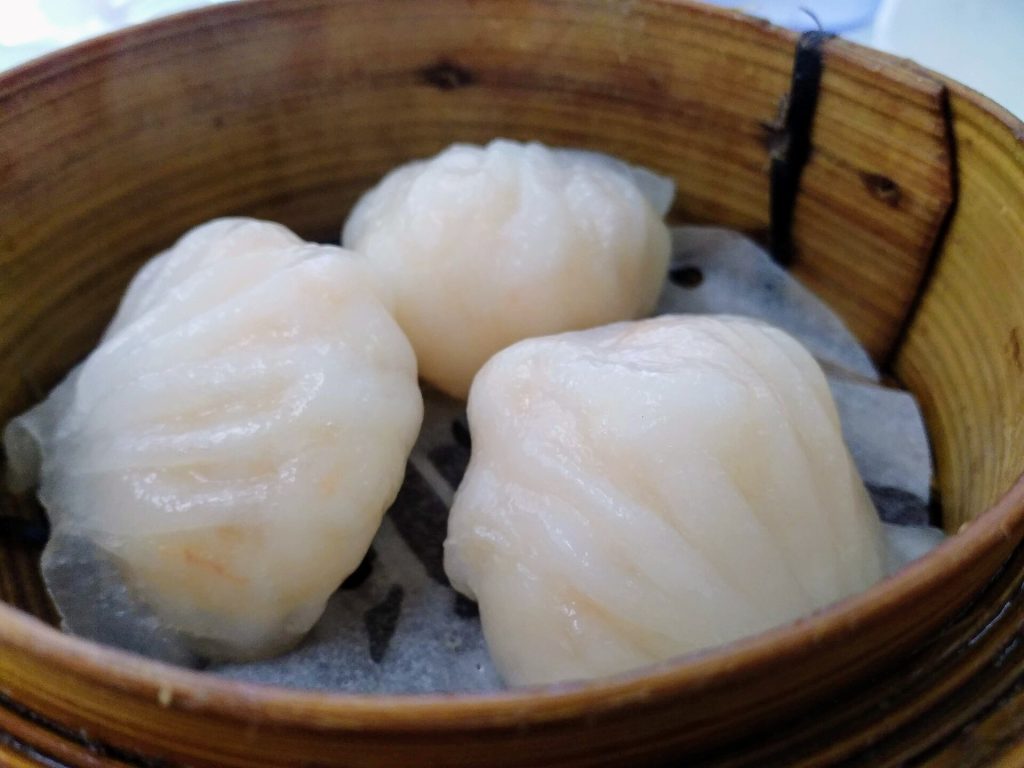
| Har Gow | 虾饺 | Translucent shrimp dumplings with 7 to 13 delicate pleats | The ultimate test of a dim sum chef’s precision and wrapper skill. |
| Siu Mai | 烧卖 | Open-topped pork and shrimp dumplings topped with fish roe | Delivers the classic bouncy, “tan ya” texture prized in Cantonese kitchens. |
| Cheung Fun | 肠粉 | Silky steamed rice noodle rolls wrapped around shrimp, beef, or crullers | Offers a smooth, slippery texture drenched in light soy sauce. |
| Turnip Cake | 萝卜糕 | Pan-fried radish cakes with a crisp surface and soft center | Introduces essential savory crunch and umami depth. |
| Char Siu Bao | 叉烧包 | Fluffy steamed buns filled with sweet barbecue pork | An approachable, comforting classic for all ages. |
—
Historic Teahouses and Where to Go
If you want to experience authentic historic teahouses in Guangzhou—particularly within the historic Liwan District (Xiguan)—several legendary establishments anchor the local culinary scene.
<EntityCard entity_id=”ChIJBeClJYb4AjQRTjeODIgoQEE” entity_type=”place” title=”莲香楼”/>
莲香楼 (Lian Xiang Lou) has anchored the neighborhood since the late 19th century and is widely celebrated as the birthplace of lotus seed paste.
* Atmosphere: Multi-story classic dining halls filled with traditional woodwork, clattering porcelain, and lively family chatter.
* Signature Items: Lotus seed paste mooncakes, baked pastries, and traditional steamed pork dumplings.
* Tip: Arrive before peak morning hours to secure a table without a lengthy wait.
<EntityCard entity_id=”ChIJMX6fVo_4AjQRoxUR87YgW0A” entity_type=”place” title=”Guangzhou Restaurant”/>
Guangzhou Restaurant is another legendary culinary landmark known for upholding the gold standard of Cantonese banquet cuisine and morning tea traditions.
* Atmosphere: Grand, opulent dining rooms that effortlessly blend old-world prestige with modern service efficiency.
* Signature Items: Classic chicken pies, refined shrimp dumplings, and traditional baked barbecue pork puffs.
* Tip: Excellent for visitors seeking English menus or assistance navigating complex digital ordering.
<EntityCard entity_id=”ChIJy6XxVcH4AjQRagazpUzlqes” entity_type=”place” title=”Diandude”/>
Diandude provides a vibrant, highly energetic modern interpretation of traditional teahouse culture across multiple popular branches.
* Atmosphere: Bright, bustling spaces featuring vintage birdcages, patterned tiles, and meticulous handmade dim sum prep stations.
* Signature Items: Crispy fried shrimp red rice rolls and salted egg yolk custard buns.
* Tip: Great choice for first-timers looking for picture menus and a lively, approachable environment.
—
Actionable Tips for Foreign Visitors
Navigating Guangzhou’s food scene smoothly requires a bit of practical preparation. Keep these operational tips in mind before heading out:
* Beat the morning rush: Locals fill teahouses early. Arrive before 8:00 AM to experience the liveliest atmosphere and avoid long queues, or expect to share a large round table with strangers, which is a normal part of teahouse culture.
* Sort your payments and connectivity: Because many modern Guangzhou restaurants rely heavily on digital ordering menus, ensure your financial apps are fully configured beforehand. Review our guides on Alipay and WeChat Pay for foreign visitors and China SIM and eSIM for foreign visitors 2026 to stay connected and pay seamlessly.
* Master digital translation: Download a camera-translation tool if the restaurant only provides Chinese QR-code menus. Look for historic, foreigner-friendly institutions like Guangzhou Restaurant or Lian Xiang Lou if you want English support or picture menus.
* Handle dietary preferences carefully: If you follow a plant-based diet or avoid specific ingredients, check out tips on Vegetarian dining in China to understand how to communicate your needs clearly to restaurant staff.
—
Teahouse Etiquette to Live By
Blending in with local diners is easy when you respect a few unspoken teahouse customs:
1. The Two-Finger Tap: When someone pours tea into your cup, do not say thank you out loud. Instead, tap your index and middle fingers together twice on the table. This symbolizes bowing your head in gratitude.
2. Refilling Your Pot: When your teapot runs dry, lift the lid and prop it slightly askew against the pot. Floor staff will notice and automatically bring a fresh kettle of hot water.
3. Share Communally: Never hoard a dish. Dim sum is built around small portions meant to be divided equally among everyone at the table. If a basket contains three dumplings and your table has four people, politely ask to order another round or split a piece.
—
Frequently Asked Questions
What is the difference between dim sum and yum cha?
Yum cha refers to the overall practice and social event of going out to drink tea and eat, whereas dim sum refers specifically to the small, bite-sized dishes served alongside that tea. You go out to yum cha to eat dim sum.
How many dishes should two people order?
Start conservatively with four to five dishes total. Because baskets typically contain two to four pieces, this gives you enough variety without over-ordering. You can always place a second wave of orders once you gauge your appetite.
Do traditional pushcarts still exist in Guangzhou?
While a few nostalgic spots still wheel out metal carts, most contemporary restaurants in Guangzhou have transitioned to paper checklists or QR-code mobile ordering for efficiency. Do not assume carts will be present at every venue.
Can a solo traveler go for yum cha?
Yes, absolutely. While yum cha is traditionally communal, solo diners are a common sight. Order two or three lighter items—such as a basket of shrimp dumplings and a warm rice roll—alongside your pot of tea.
Which district in Guangzhou is best for morning tea?
The Liwan District (historical Xiguan) is considered the spiritual home of Cantonese dim sum, housing many of the city’s oldest, most revered teahouses and century-old culinary brands.
—
<!–
title: Guangzhou Morning Tea and Dim Sum for First-Timers
slug: guangzhou-morning-tea-dim-sum-first-timers
category: Food
focus: Guangzhou yum cha dim sum first-timers
meta: Guangzhou morning tea (yum cha) for first-timers: how dim sum carts and menus work, what to order, tea etiquette, and practical tips for foreign visitors.
cover_alt: Assorted Cantonese dim sum in bamboo steamer baskets
cover_credit: Photo: Mshuang2 / Wikimedia Commons (CC0)
–>
<FollowUp label=”Want me to recommend specific historic teahouses in Guangzhou’s Liwan district?” query=”Recommend specific historic teahouses in Guangzhou’s Liwan district with details on their signature dishes.”/>