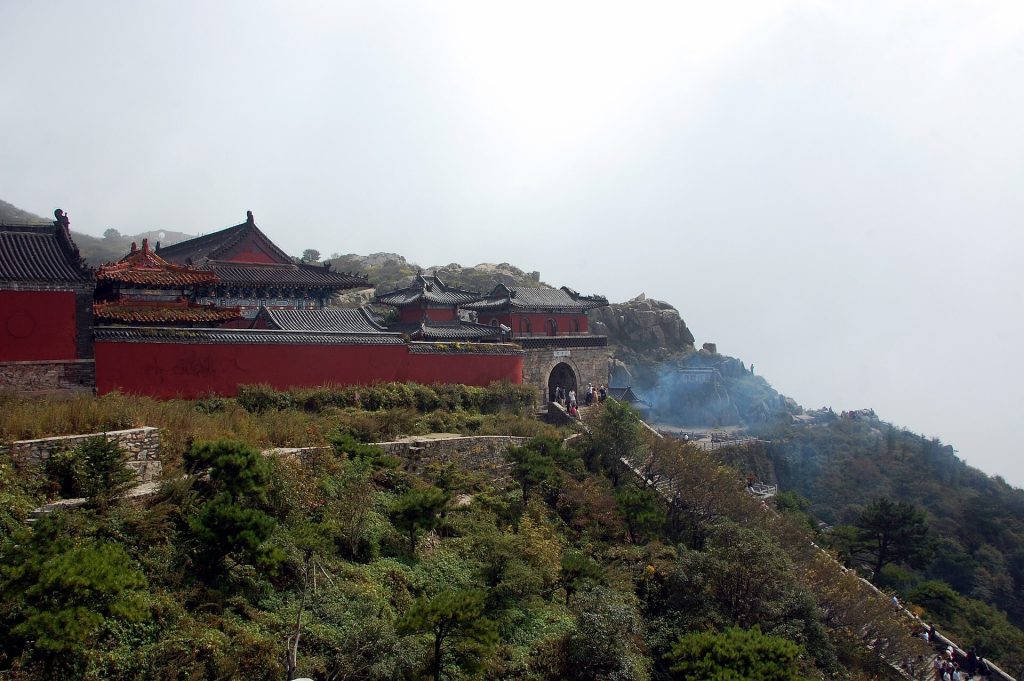
Climbing Mount Tai (Taishan) in November offers one of the most rewarding autumn experiences in eastern China. Located in Shandong Province, this sacred Daoist mountain is famous for its historical stone inscriptions, steep staircases, and breathtaking sunrise views over the North China Plain. While summer brings dense crowds and hazy humidity, November ushers in crisp air, dramatically clearer skies, and a peaceful atmosphere that makes the physical climb much more manageable.
Planning a trip to Mount Tai this autumn requires attention to rapidly dropping temperatures, especially at the summit, and understanding seasonal cable car and ticket booking procedures. Whether you are combining your trip with a stop in Beijing in November 2026 or exploring further south, this practical guide covers everything you need to know to make your Mount Tai ascent a success.
—
Quick Overview: Mount Tai in November at a Glance
* Weather: Crisp and dry at the base, but sub-freezing and windy at the 1,545-meter (5,069-foot) summit, especially overnight and early morning.
* Scenery: Vibrant late-autumn foliage lower down, transitioning to frosty trees and crystal-clear panoramic visibility on sunny days.
* Crowds: Significantly lower than peak summer and golden week holidays, though weekend domestic tourism remains steady.
* Key Challenge: Combating wind chill during the traditional midnight climb to catch the sunrise.
—
Mount Tai November Weather and What to Expect
As November progresses, Mount Tai transitions firmly from a cool autumn into early winter. Daytime temperatures at the foot of the mountain (near Tai’an city) typically hover around comfortable levels for walking, but the summit is a completely different story.
When planning your hike, keep these weather patterns in mind:
* Temperature Swings: While the base may feel crisp during the day, summit temperatures frequently drop below freezing ($0^\circ\text{C}$ or $32^\circ\text{F}$) by evening and plummet further before dawn due to biting mountain winds.
* Clear Skies: November is one of the best months of the year for visibility. The hazy summer smog clears out, giving hikers a high probability of crisp, unobstructed blue skies during the day and brilliant star-filled nights.
* Daylight Hours: Sunset occurs earlier in November (roughly around 5:00 PM), meaning early starts are essential if you plan to hike sections in daylight.
—
Choosing Your Route: Hiking vs. Cable Car Options
Mount Tai features thousands of stone steps (traditionally counted as over 6,600 steps along the Central Imperial Route). How you choose to ascend and descend depends entirely on your fitness level and time constraints.
1. The Classic Imperial Walking Route (Central Line)
* Route: Starts at Dai Temple (Daimiao) and winds up via the Hongmen Gate, passing through the Gorge of Trilogy and up the terrifyingly steep XVIII Bends (Shibapan).
* Duration: 4 to 6 hours of continuous climbing for average hikers.
* Pros: Steeped in history, packed with ancient stone carvings, pavilions, and temples. Climbing the stairs is a rite of passage.
* Cons: Extremely demanding on knees and quadriceps, particularly on the descent.
2. The Mid-Mountain Shortcut (Tianwaiwan Route)
* Route: Take a tourist eco-bus from the Tianwaiwan Tourist Center up to Zhongtianmen (Mid-Heaven Gate).
* Duration: From Zhongtianmen, you can either hike the remaining strenuous section up the XVIII Bends to the summit (about 1.5 to 2 hours) or take the cable car.
* Pros: Saves your legs from the grueling lower-mountain stone steps while still letting you experience the most dramatic upper staircases.
3. The Cable Car Option
* Route: Operates between Zhongtianmen and Nantianmen (South Heavenly Gate near the summit).
* Duration: About 10 minutes.
* Pros: Essential for travelers with limited time, mobility concerns, or those trying to avoid freezing fatigue during a night climb.
* Cons: Can experience temporary wind-speed suspensions in late autumn. Always check local operational updates on the morning of your visit.
—
Sunrise Strategy: Overnight Climb vs. Early Morning Ascent
Catching the sunrise from the summit (Jade Emperor Peak) is the ultimate Mount Tai tradition. In November, sunrise occurs around 6:30 AM to 6:45 AM. You have two primary strategies to achieve this:
The Traditional Midnight Hike
Most adventurous travelers begin hiking from Hongmen Gate around midnight or 1:00 AM. This allows you to pace yourself, conquer the steep stairs in the cool night air, and reach the summit just as the sky begins to lighten.
* The Reality Check: While romantic in theory, waiting at the summit for sunrise in November can be brutally cold. Wind speeds at the top amplify freezing temperatures.
The Sunset-Arrival Strategy
An increasingly popular alternative for travelers who dislike sleep deprivation is to take the eco-bus and cable car up late in the afternoon, watch the sunset from the summit, stay overnight in a basic summit hotel or guesthouse, and step outside directly into the sunrise.
* Booking Note: Summit accommodations are sparse and basic. They fill up quickly on weekends, so advance booking is mandatory.
—
Actionable Packing, Booking, and Logistics Tips
Preparing for a cold-weather mountain climb requires more than standard travel gear. Make sure your logistics are sorted before heading to Shandong Province.
What to Pack
Layering is your best defense against micro-climate shifts on the mountain. Review a comprehensive packing list for China autumn to fine-tune your wardrobe, focusing specifically on:
* Windproof Outer Shell: A heavy windbreaker or down jacket is non-negotiable for the summit.
* Thermal Base Layers: Moisture-wicking thermal tops and bottoms prevent sweat from chilling your skin during rest breaks.
* Accessories: Woolen hats, thermal gloves, and a scarf or neck gaiter.
* Footwear: Sturdy hiking boots with good traction for slick or frosty stone steps.
* Trekking Poles: Highly recommended to protect your knees on the long descent.
* Thermos: Carrying hot water or tea provides an instant internal morale boost in freezing temperatures.
Digital Essentials and Connectivity
Navigating ticket booths, mobile apps, and translation tools requires reliable digital access.
* Ensure your phone is equipped with a functional data plan by checking out a China SIM and eSIM for foreign visitors 2026.
* Familiarize yourself with local payment platforms by setting up Alipay and WeChat Pay for foreign visitors, as physical cash and international credit cards are rarely accepted at ticket gates, cable car stations, or summit kiosks.
Ticket Booking
* Mount Tai entrance tickets and eco-bus passes can generally be reserved online via official WeChat mini-programs or local ticketing channels up to a week in advance.
* Passport registration is required for foreign travelers when purchasing tickets and passing through security checkpoints.
—
Frequently Asked Questions
1. Is Mount Tai too cold to climb in November?
It is certainly cold, especially at night and early morning when temperatures at the summit drop below freezing. However, with proper thermal layers, windproof gear, and a steady hiking pace, November is entirely manageable and offers superior visibility compared to summer.
2. Are the cable cars open year-round?
Yes, the cable cars typically operate year-round. However, in November, sudden cold fronts, heavy frost, or high winds can trigger temporary safety suspensions. Always check local weather notices on the morning of your climb.
3. Can I rent a heavy military coat at the summit?
Yes. Numerous small shops and guesthouses near the summit rent out heavy quilted cotton military-style overcoats for a modest fee. Many hikers rely on these temporary rentals to survive the freezing pre-sunrise wait at the viewing platforms.
4. How do I get to Mount Tai from Beijing or Shanghai?
Mount Tai is exceptionally well-connected by China’s high-speed rail network. Taishan Railway Station and Tai’an Station sit on major trunk lines. You can easily reach Tai’an in under 2 hours from Beijing South Station or around 3.5 hours from Shanghai Hongqiao Station.
5. Do I need a tour guide, or can I hike independently?
Independent hiking is very straightforward. The main walking routes are clearly marked with stone signposts, bilingual maps, and lighting along the primary stone staircases.
—
<ElicitationsGroup message=”To explore more autumn travel options across China:”>
<Elicitation label=”Discover what to see and do in Beijing in November” query=”What are the top things to do and weather conditions in Beijing in November 2026?”/>
<Elicitation label=”Explore Shanghai travel highlights for November” query=”What is Shanghai like in November 2026 and what should I visit?”/>
<!–
title: Mount Tai in November 2026: Clearer Views, Cooler Hikes and Sunrise Tips
slug: mount-tai-november-2026
category: Travel
focus: Mount Tai November hike sunrise
meta: Climb Mount Tai in November 2026: cooler trails, clearer views, cable-car vs hike options, sunrise packing tips, and how to book tickets.
cover_alt: Sunrise view from the summit ridges of Mount Tai in Shandong
cover_credit: Photo: https://www.flickr.com/photos/kanegen/ / Wikimedia Commons (CC BY 2.0)
–>
</ElicitationsGroup>