Visiting a Chinese Calligraphy Brush Shop: A Practical Experience Guide
Stepping into a traditional Chinese calligraphy brush shop is like entering a quiet sanctuary of ink, timber, and animal hair. For travelers exploring cultural districts across Asia, these shops offer a tactile window into one of the world’s oldest continuous artistic traditions. Unlike standard souvenir stalls, specialized brush stores (maobi dian) house tools crafted with generations of specialized knowledge.
Whether you want to understand the foundational “Four Treasures of the Study” (Fangbao Siyou)—the brush, inkstick, inkstone, and paper—or assemble a meaningful starter kit to take home, navigating these historic storefronts requires a bit of preparation.
—
The Direct Answer: What to Expect and Buy
If you are short on time or new to the craft, **we recommend purchasing a medium-sized mixed-hair brush (jianhao), a packaged ink liquid or standard inkstick, and a pad of raw or half-ripe Xuan paper.** Beginners often make the mistake of buying overly soft goat-hair brushes or heavily decorated collector brushes with ornate, heavy handles. Instead, look for a balanced mixed-hair brush that combines stiff outer or core bristles (such as weasel or rabbit) with softer outer layers (such as goat hair). This provides the spring and water-retention needed to control your strokes cleanly.
—
Essential Shop Etiquette and Culture
Traditional craft shops operate at a deliberate, respectful pace. Observing basic etiquette ensures a welcoming experience for both you and the shopkeeper:
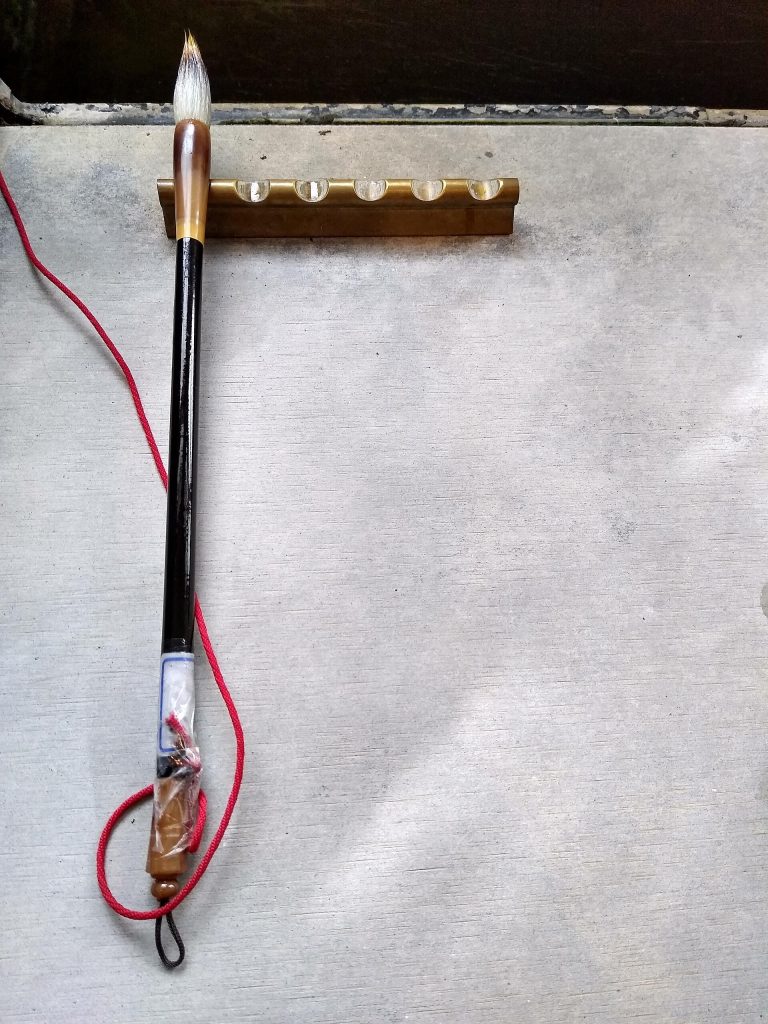
Handling Brushes: Display brushes usually have protected, stiffened tips covered in a water-soluble glue (tujiao) to keep the delicate hairs intact. Never force or bend these dry tips to test flexibility, as this permanently snaps the microscopic hair structures. Ask the proprietor if they have a wet sample or tester brush (shabi*) available for trying strokes on a water-writing fabric mat.
* Photography and Browsing: While most modern shops permit photos of the storefront or general displays, always ask before filming close-ups of master artisans at work.
Communication: Many neighborhood shopkeepers speak little English, but translation apps work wonders. Pointing to characters like “初学者” (chuxuezhe—beginner) or “兼毫” (jianhao*—mixed hair) will instantly bridge the language barrier.
—
Actionable Planning, Booking, and Payment Tips
Visiting a specialized stationery market or historic street district takes minimal planning, but modern digital infrastructure in Asia makes transactions seamless:
* Payments: While major cultural hubs and high-end storefronts accept cards or international digital wallets, having digital payment setup ahead of your trip is essential. Ensuring your mobile wallet is linked before departure prevents friction at checkout.
* connectivity: Keeping a steady data connection active via China SIM and eSIM for foreign visitors 2026 helps you navigate alleyways, translate product labels, and verify historical context on the fly.
* Combining Itinerary Stops: Brush shops are frequently clustered near Confucian temples, old academy grounds, or historic cultural streets. Pairing your morning stationery hunt with a museum visit requires advanced booking through China museum ticket reservations 2026. If you want to expand your cultural immersion further, consider pairing your afternoon craft shopping with a traditional afternoon break following the customs outlined in Chinese tea ceremony for visitors.
—
Anatomy of a Quality Brush: The Four Virtues
Traditional craftsmen evaluate every fine brush using four classical criteria known as the “Four Virtues” (De):
1. **Sharpness (Jian):** When wet and smoothed, the brush hairs must gather gracefully into a razor-sharp conical point rather than splitting or fraying.
2. **Roundness (Qi):** The belly of the brush should be full, cylindrical, and symmetrically rounded, holding an even volume of ink.
3. **Evenness (Yuan):** Individual hairs must be uniform in length and quality so that ink distributes evenly across every stroke without dry gaps.
4. **Resilience (Jian):** The brush must possess active spring (tanxing), springing back to its original shape instantly after pressure is lifted from the paper.
—
What Makes a Good Souvenir Set?
If you are putting together a gift set—either for yourself or following the principles found in Chinese gift-giving etiquette—aim for utility over luxury. Avoid overly ornate handles carved from heavy stone, ox bone, or synthetic resin; they throw off the dynamic balance of the tool. A practical travel-friendly set should include:
One medium mixed-hair brush (zhonghao jianhao*) for general practice.
A small ceramic or stone brush rest (bibang*).
A bottle of liquid calligraphy ink (moshui*), which is far safer and easier to pack in checked luggage than fragile solid inksticks requiring an inkstone.
A small pad of Xuan paper (rice paper). Choose shengxuan (raw) if you want absorbent, expressive bleeding effects, or shuxuan* (ripe/sized) if you prefer controlled, crisp lines.
—
Frequently Asked Questions
Can I bring calligraphy brushes through airport security?
Yes. Dry calligraphy brushes are entirely permissible in both carry-on and checked luggage. However, if you have recently used the brush, ensure it is completely washed and dried. Damp organic animal hair can trap moisture and trigger secondary inspections or mildew during long flights.
Should I buy a solid inkstick or bottled ink as a beginner?
Bottled liquid ink is vastly easier for beginners. Traditional solid inksticks require grinding manually against a stone with water for 10 to 15 minutes to achieve the correct suspension density. Save inksticks for when you develop a deeper appreciation for the meditative ritual of preparation.
How do I pack delicate brushes safely in my suitcase?
Most shopkeepers will wrap your brushes in protective paper sleeves or bamboo brush mats. To pack them securely, slide the original rigid plastic cap back over the dry brush tip (if provided, though discard it permanently once home so the tip breathes), roll them up inside a breathable cloth or bamboo brush wrap, and pack them centrally among soft clothing items to cushion them against impact.
How do I clean a brand-new brush before its first use?
New brushes are stiffened with glue for shipping. Dip the brush tip in warm (not hot) water for a few minutes, gently massaging the hairs with your fingers until the glue dissolves completely and the hairs loosen. Never use boiling water, as it melts the adhesive at the base of the handle and causes massive shedding.
Are expensive handmade brushes worth it for casual tourists?
Master-crafted brushes featuring rare hair types or carved bamboo handles can cost hundreds of dollars and are designed for professional calligraphers. For travelers and casual learners, mid-tier commercial brushes produced in renowned craft hubs (such as Huzhou) offer exceptional performance at a fraction of the cost.
<!–
title: Visiting a Chinese Calligraphy Brush Shop: A Practical Experience Guide
slug: calligraphy-brush-shop-experience-visitors
category: Culture
focus: Calligraphy brush shop visitor experience
meta: Visit a Chinese calligraphy brush shop as a traveler: how to choose a beginner brush, ink and paper basics, shop etiquette, and what makes a good souvenir set.
cover_alt: Traditional Chinese calligraphy brushes displayed for writing
cover_credit: Photo: Mx. Granger / Wikimedia Commons (CC0)
–>
<FollowUp label=”Want to learn the core brush-handling postures and basic strokes?” query=”What are the core physical postures, grip techniques, and basic strokes for practicing Chinese calligraphy as a beginner?”/>