When you touch down in China’s historic capital, tracking down a bowl of authentic Beijing zhajiangmian (炸酱面) ranks among the most rewarding culinary rituals you can experience. Translating literally to “fried sauce noodles,” this iconic comfort food is a cornerstone of northern Chinese culinary identity. Unlike the fiery chili oil concoctions found in the southwest or the delicate broth-based noodles of other regions, Beijing zhajiangmian is defined by its rich, savory fermented soybean paste, hand-pulled or hand-cut wheat noodles, and a vibrant garden of fresh, crisp vegetable toppings.
For first-time visitors navigating language barriers, digital payment systems like Alipay and WeChat Pay for foreign visitors, and unfamiliar restaurant etiquette, diving into a bowl of zhajiangmian can feel daunting. This comprehensive guide breaks down everything you need to know—from how the dish is served and what to expect regarding spice, to practical booking, ordering, and where to try it during your trip.
—
What Is Beijing Zhajiangmian? (Direct Answer)
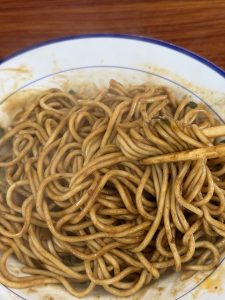
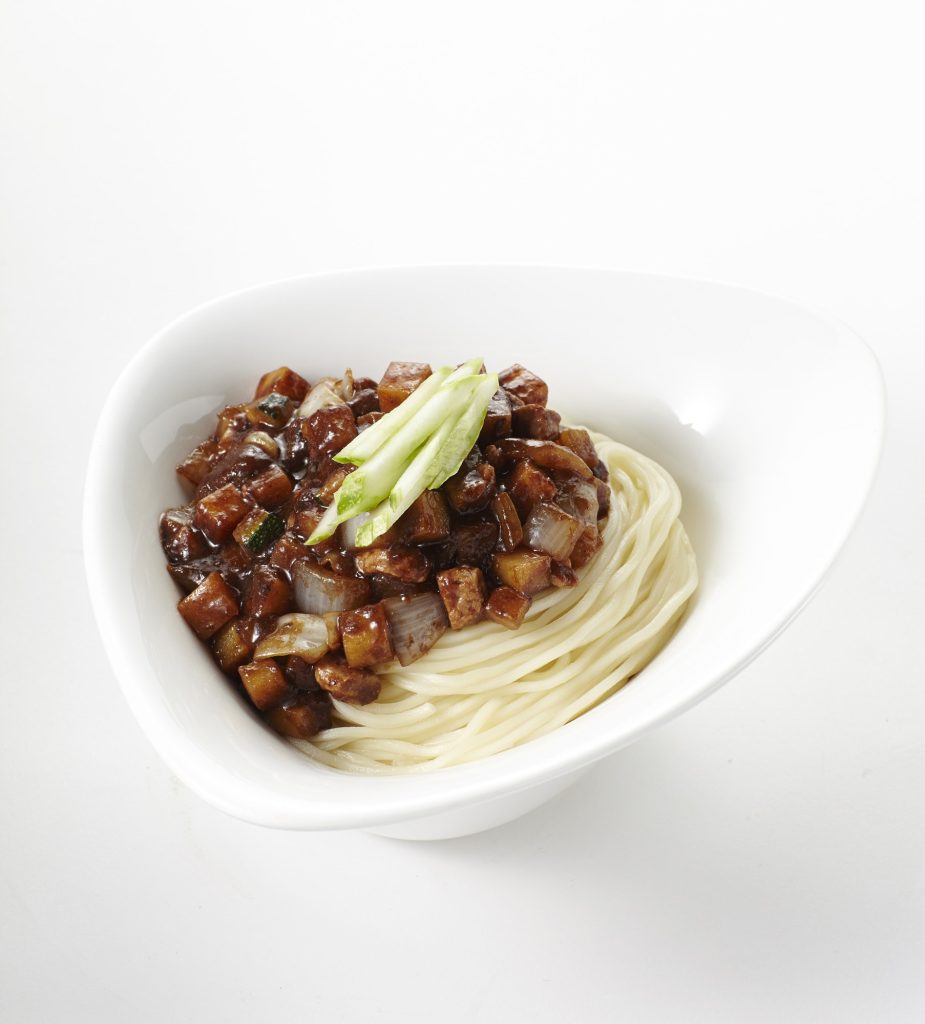
Beijing zhajiangmian consists of thick, chewy wheat noodles topped with zhajiang—a thick, savory paste made by frying minced pork (or sometimes beef) with fermented soybean paste (huangjiang) or sweet bean paste (tianmianjiang). Unlike a wet soup noodle, zhajiangmian is served dry or with just a tiny splash of starchy cooking water.
Before eating, you toss the noodles vigorously with the intensely flavorful meat paste and an assortment of raw, julienned seasonal vegetables (cai ma). The result is a masterclass in texture and balance: the piping-hot, hearty, umami-rich noodles meet the cool, crisp, refreshing crunch of fresh cucumber and radish, cutting through the richness of the fried paste.
—
How Zhajiangmian Is Served: The Ritual of “Guojian” and Toppings
Ordering zhajiangmian in a traditional Beijing noodle house often comes with a few local customs that catch first-timers off guard. Understanding how the dish arrives at your table ensures you look like a seasoned traveler.
The Noodles and Temperature
In authentic Beijing style, noodles are hand-cut from wheat dough, giving them a satisfyingly chewy, springy bite. Depending on the season, you may be asked how you want your noodles prepared:
* Guojian (过键): Literally meaning “passing through water,” these noodles are plunged into cool water after boiling to make them extra chewy and refreshing—popular during warmer months.
* Warm / Regular: Served straight from the boiling pot, which is standard as autumn temperatures drop heading into late October and November.
The Vegetable Garden (Cai Ma)
A proper bowl of zhajiangmian is never served with just meat and noodles. It comes accompanied by a colorful array of fresh, raw, or lightly blanched vegetables cut into delicate strips or shreds. Typical toppings include:
* Julienned cucumbers and radishes for crunch and hydration.
* Shredded soy bean sprouts, green soybeans (edamame), or celery bits.
* Aromatic elements like crushed garlic cloves or scallions.
Visitors accustomed to cooked-only vegetable dishes in Chinese cuisine might be surprised by the raw toppings, but they serve a crucial purpose: their high water content and natural sweetness balance the intense, salty savoriness of the fried soybean paste.
—
Spice Expectations: Is Beijing Zhajiangmian Spicy?
If you are coming from regions famous for tongue-numbing peppercorns or blistering chili oils—such as those explored when reviewing Sichuan spice levels for foreigners—you can breathe a sigh of relief.
Traditional Beijing zhajiangmian is not spicy.
The flavor profile relies entirely on the deep, earthy umami of fermented soybeans, aromatics like ginger and garlic, and the savory fat of pork. It contains zero chili heat by default. However, many noodle shops provide a jar of house-made chili oil or chili paste on the table. If you crave heat, you can easily stir in as much spice as you like. This makes zhajiangmian one of the most foreigner-friendly regional noodle dishes in China, especially for travelers with milder palates.
—
Actionable Tips for First-Timers
Navigating local eateries in Beijing is an exciting adventure, but a few practical strategies will make your meal smooth and stress-free.
1. Mastering Payments and Ordering
Most traditional noodle shops and casual neighborhood diners rely heavily on digital ordering via WeChat or Alipay mini-programs scanned at the table. Ensuring your phone is equipped with Alipay and WeChat Pay for foreign visitors before arriving in China is essential. If you encounter a paper menu or a language barrier, pointing at pictures or using translation apps will easily get you a bowl of “zhajiangmian.” For broader dining strategies, check out our guide on Ordering Chinese restaurants for foreigners.
2. Connectivity on the Go
Finding hidden-gem noodle alleys (hutongs) requires reliable mobile data for maps and translation tools. Setting up a reliable data plan via a China SIM and eSIM for foreign visitors 2026 ensures you can navigate Beijing’s winding historical neighborhoods without missing a beat.
3. Dining Etiquette and Extras
* Mix Thoroughly: Dump all the vegetable toppings into the bowl, add your preferred amount of sauce, and mix vigorously with your chopsticks until every single noodle is coated.
* Paocai and Garlic: Don’t be surprised if locals peel and bite into raw garlic cloves directly alongside their noodles—it’s a traditional northern habit that cuts through heavy grease.
* Noodle Water (Mian Tang): Many traditional shops will offer you a small bowl of warm, starchy water left over from boiling the noodles. Drinking this at the end of your meal aids digestion in traditional Chinese dietary culture.
—
Where Visitors Usually Try Zhajiangmian in Beijing
First-timers generally encounter zhajiangmian in a few classic settings across the city:
* Hutong Neighborhoods: Historic areas like Qianmen, Nanluoguxiang, and the Lama Temple district host generations-old family noodle shops where you can experience rustic wooden benches and bubbling woks.
* Heritage Restaurant Chains: Well-established Beijing dining brands (such as Siji Minfu or designated heritage snack pavilions) offer comfortable, foreigner-accessible environments while preserving authentic local recipes.
* Cultural Food Courts: Modern shopping malls and high-speed railway stations often feature dedicated Beijing food stalls, providing an easy English-menu introduction for travelers pressed for time.
—
Frequently Asked Questions
Is Beijing zhajiangmian vegetarian-friendly?
Traditionally, no. The classic sauce (zhajiang) is fried with minced pork and rendered lard to build its signature deep flavor. However, if you follow a plant-based diet, you can check out specialized spots or consult resources on Vegetarian dining in China to find modern vegetarian adaptations that substitute minced mushrooms or soy protein for pork.
How do I order if I don’t speak Mandarin?
Many popular spots in central Beijing feature photo menus or QR code ordering systems that translate via smartphone cameras. Pointing at a picture of “炸酱面” or showing a translation on your phone universally communicates your order.
Can I get zhajiangmian with beef instead of pork?
Yes. While pork is the traditional standard, Muslim-style (Qingzhen) restaurants in Beijing serve halal versions made with minced beef or lamb paste.
How much does a bowl of zhajiangmian cost?
Prices vary widely depending on the venue. Casual neighborhood canteens and local snack shops offer bowls very affordably, while sit-down heritage restaurants in tourist hubs charge moderate restaurant rates. Always check local listings or official site details for current pricing.
Are zhajiangmian noodles similar to Lanzhou beef noodles?
<!–
title: Beijing Zhajiangmian for First-Timers: Noodles with Fried Soybean Sauce
slug: beijing-zhajiangmian-first-timers
category: Food
focus: Beijing zhajiangmian first-timers fried bean sauce noodles
meta: Beijing zhajiangmian for first-timers: how the fried soybean sauce noodles are served, vegetable toppings, spice expectations, and where visitors usually try it.
cover_alt: Bowl of Beijing-style noodles topped with fried soybean sauce
cover_credit: Photo: 국립국어원 / Wikimedia Commons (CC BY-SA 2.0 kr)
–>
Not quite. While both are iconic Chinese wheat noodle dishes, Lanzhou noodles are famous for being hand-pulled into thin or wide strands served in a clear, spiced beef broth, as detailed in our guide to Lanzhou lamian for first-timers. Zhajiangmian, by contrast, features thick, hand-cut knife noodles served dry with a rich, dark soybean meat paste.