If there is one culinary experience that defines the soul of Northern China, it is sitting in a bustling, steam-filled neighborhood restaurant in Beijing, waiting for a steaming plate of fresh jiaozi (dumplings) to arrive at your table. For first-time visitors, the world of Beijing dumplings can feel both incredibly inviting and slightly overwhelming. Unlike the delicate, translucent har gow you might find in a Cantonese dim sum hall, or the soup-filled xiaolongbao of Shanghai, Beijing’s jiaozi are hearty, rustic, and deeply comforting. They are the ultimate everyday staple, a festive centerpiece, and a symbol of home all rolled into one perfect crescent-shaped bite.
Whether you are navigating the ancient alleyways after reading our guide to exploring Beijing’s hutongs or stepping out of the biting winter cold, understanding how to order, eat, and appreciate jiaozi will elevate your trip from a standard tourist visit to a genuine cultural immersion.
This guide will walk you through everything you need to know about Beijing jiaozi—from decoding the fillings and cooking methods to mastering the local etiquette of ordering and sauce-mixing.
What Exactly Are Jiaozi?
To understand Beijing food culture, you must first understand the jiaozi. Jiaozi (饺子) refers specifically to Chinese dumplings with a relatively thick, chewy wheat flour wrapper, folded into a distinct crescent or horn shape, and stuffed with a finely minced filling of meat, vegetables, or both.
Legend has it that jiaozi were invented during the Eastern Han Dynasty by Zhang Zhongjing, a famous traditional Chinese medicine practitioner. During a harsh winter, he noticed people suffering from frostbitten ears. To cure them, he wrapped mutton, chili, and warming medicinal herbs in dough, shaped them like ears, and boiled them in a curative broth. Today, while they are no longer prescribed as medicine, they remain the ultimate comfort food.
In Northern China, wheat is the dominant crop, which is why the wrappers here are distinctively thick, elastic, and satisfyingly chewy compared to the thin rice-flour wrappers of the south. They are a staple of Northern Chinese cuisine and hold immense cultural significance. During the Winter Solstice and the Lunar New Year, families gather around the table to roll dough, mix fillings, and fold hundreds of jiaozi together, symbolizing wealth (due to their resemblance to ancient gold ingots) and family reunion.
The Holy Trinity of Jiaozi Cooking Methods
Before you can choose your filling, you need to know how you want your dumplings cooked. When you sit down at a traditional dumpling house, you will generally be presented with three primary cooking styles.
Shuǐjiǎo (Boiled Dumplings)
If you want to eat like a true Beijing local, shuǐjiǎo (水饺) is the default. These are boiled in water until they float to the top, resulting in a slippery, soft, and remarkably chewy wrapper. Because they are boiled, the filling inside essentially steams in its own juices, creating a tender, flavorful, and incredibly juicy interior. When Beijingers say they are going out for jiaozi, 90% of the time, they are referring to shuǐjiǎo.
Guōtiē (Pan-Fried Dumplings / Potstickers)
Known in the West as potstickers, guōtiē (锅贴) are technically a distinct category, but are often sold alongside jiaozi. They are placed in a hot wok or flat pan with a little oil, then water is added, and the pan is covered. This dual cooking method steams the top of the dumpling while frying the bottom to a golden, crispy perfection. The contrast between the chewy, steamed top and the crunchy, oily bottom makes them an irresistible pairing with a cold local beer.
Zhēngjiǎo (Steamed Dumplings)
Zhēngjiǎo (蒸饺) are cooked in bamboo steamer baskets. The steaming process gives the wrapper a slightly firmer, more translucent texture than boiling, and the intricate pleats of the dumpling hold their shape beautifully. They are less common as a daily staple in Beijing compared to shuǐjiǎo, but they are often filled with richer, heavier ingredients or delicate seafood that might break apart in rolling boiling water.
Classic Beijing Fillings You Must Try
The variety of jiaozi fillings in Beijing is staggering. While some modern restaurants offer colorful wrappers dyed with spinach or beetroot juice and stuffed with fusion ingredients, the traditional fillings are where the true magic lies. Here are the classic flavor profiles you must try on your first visit:
Pork and Chinese Chive (Jiǔcài Zhūròu): This is the undisputed king of Northern Chinese dumpling fillings. The pungent, garlicky flavor of Chinese chives cuts perfectly through the rich, fatty minced pork.
Pork and Napa Cabbage (Báicài Zhūròu): Milder and sweeter than the chive variation, the Napa cabbage provides a delightful crunch and absorbs the savory pork juices beautifully.
Beef and Scallion (Niúròu Dàcōng): A robust, hearty option. The sharp bite of the scallions balances the heavy, umami-rich minced beef.
Lamb and Carrot or Summer Squash (Yángròu Húluóbo): Very popular in Beijing, particularly in the winter or at halal restaurants. The lamb is earthy and warming, offset by the subtle sweetness of minced carrot or the freshness of squash.
Tomato and Egg (Xīhóngshì Jīdàn): A fantastic vegetarian option. It sounds unusual for a dumpling, but the combination of scrambled egg and juicy tomatoes is a beloved Chinese flavor profile that translates perfectly into a steaming jiaozi.
Fennel and Pork (Huíxiāng Zhūròu): If you want to order something uniquely Beijing, this is it. The feathery green fronds of the fennel plant give the pork a bright, herbaceous, and slightly licorice-like flavor.
A Step-by-Step Guide: How to Order and Eat Like a Local
This is where most first-timers freeze up. Ordering and eating jiaozi in a traditional Beijing joint involves a specific rhythm and set of unwritten rules. Master this, and you will navigate the city’s culinary scene with ease.
Step 1: Ordering by the “Liang”
In traditional dumpling houses, you do not order by the individual dumpling, nor do you order by the plate. You order by weight, specifically by the liǎng (两).
A liang is a traditional Chinese unit of weight equivalent to 50 grams. However, when ordering jiaozi, a liang does not refer to the total weight of the dumplings, but rather the weight of the dry flour used to make the wrappers. Practically speaking, one liang equals roughly 3 to 6 dumplings, depending on the size of the restaurant’s jiaozi.
How much should you order? A standard portion for one hungry adult is usually 2 to 3 liang (roughly 10 to 18 dumplings). If you are dining with a group, the best strategy is to order 2 liang of several different fillings so you can share and sample a wider variety. Note: Many restaurants have a minimum order of 2 liang per filling type.
Step 2: The DIY Sauce Station
Once you have ordered, do not just sit and wait. It is time to prepare your dipping sauce. Most casual dumpling houses will have a communal sauce station, or a tray of condiments on your table. Crafting the perfect sauce is deeply personal, but the classic Beijing ratio is heavily acidic.
Lao Chen Cu (Aged Black Vinegar): This should be the base of your sauce. It is dark, tart, slightly sweet, and complex. Fill your small dipping bowl about halfway with vinegar.
Lajiao You (Chili Oil): Add a scoop (or three) of the house-made roasted chili oil. Make sure to scoop up the crispy chili flakes at the bottom of the jar, not just the red oil.
Soy Sauce (Optional): Unlike in the West, soy sauce plays a very minor role in Northern Chinese dumpling dipping. The jiaozi filling is already heavily seasoned and salty. If you add soy sauce, use only a few drops.
Raw Garlic: You will likely see whole, unpeeled cloves of garlic in a basket on the table. Do as the locals do: peel a clove and take a small, raw bite of the garlic between bites of your dumplings. It provides a sharp, fiery palate cleanser that perfectly cuts the fat of the pork.
Step 3: The Dumpling Water (Háo Tāng)
Toward the end of your meal, you might be offered a bowl of warm, cloudy water. Do not send it back! This is jiǎozi tāng, the starchy water the dumplings were boiled in. There is an old Chinese idiom: “Yúan tāng huà yuán shí” (The original soup digests the original food). Drinking the starchy cooking water at the end of the meal is believed to aid digestion and warm the stomach. It is soothing, subtle, and the perfect traditional end to a heavy meal.
Where to Find the Best Jiaozi in Beijing
You can find jiaozi on almost every corner in Beijing, from upscale restaurants to hole-in-the-wall joints. If you are building your Beijing dining itinerary, here are a few accessible starting points:
Xianlaoman (馅老满): The name translates to “filling always full,” and they live up to it. This beloved local chain is famous for massive, overstuffed boiled dumplings with thick, chewy skins. Their menu features dozens of traditional and inventive fillings. It is loud, crowded, and perfectly authentic.
Baoyuan Jiaozi Wu (宝源饺子屋): Located near the embassy district, this spot is famous for its rainbow-colored dumplings. They use natural juices (spinach, carrot, purple cabbage) to dye the dough, resulting in a visually stunning plate. It’s highly accessible for foreigners, featuring a picture menu with English translations.
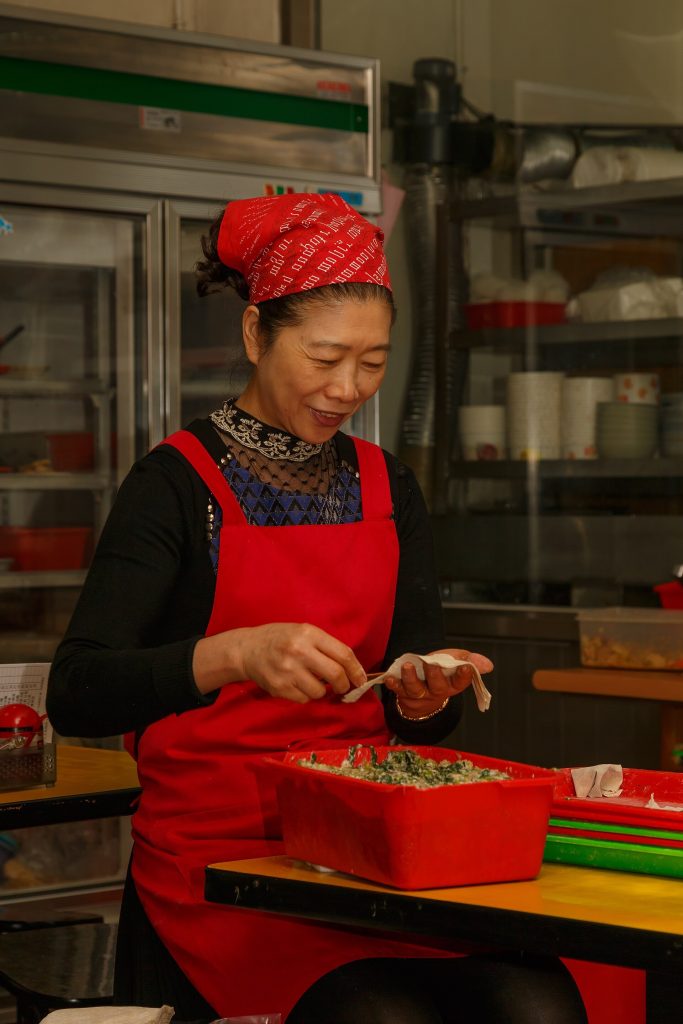
Neighborhood Hutong Shops: The absolute best jiaozi often come from tiny, nameless, family-run shops tucked away in the alleyways. Look for places where you can see the staff sitting at a table near the back, rapidly rolling dough and folding dumplings by hand. If it’s busy with locals at lunchtime, sit down and order.
Frequently Asked Questions (FAQ)
Are Beijing jiaozi gluten-free?
No. Traditional Beijing jiaozi wrappers are made entirely from wheat flour and water. The chewiness (the “Q-texture”) relies heavily on gluten development. If you have celiac disease, jiaozi are unfortunately off the menu. For gluten-free dining options, check out our survival guide to eating in China with dietary restrictions.
Can I eat jiaozi for breakfast?
While you can, it is not the standard local custom. In Beijing, breakfast is usually reserved for items like jianbing (savory crepes), youtiao (fried dough sticks), and baozi (steamed buns). Jiaozi are typically consumed for lunch or dinner.
What is the difference between Jiaozi and Baozi?
While both are dumplings, baozi are made with yeast-leavened dough, making them thick, fluffy, and bread-like. Jiaozi are made with unleavened dough, resulting in a thinner, chewier, pasta-like wrapper.
Is it rude to ask for a fork?
It is not necessarily considered rude, but traditional, smaller neighborhood dumpling shops simply will not have forks available. It is highly recommended that you practice your chopsticks skills before your trip. Jiaozi are relatively heavy and easy to grip, making them a great food for practicing!
Can I order vegetarian Jiaozi?
Absolutely. Almost every dumpling house will have at least two or three sù (vegetarian) options. The most common and delicious are tomato and egg, zucchini and egg, or a mix of wood ear mushrooms, cabbage, and glass noodles. Just ensure you specify you want vegetarian food, as some vegetable dumplings may still contain small amounts of dried shrimp or pork fat for flavoring.
Armed with this knowledge, you are ready to conquer the dumpling houses of China’s capital. Forget the takeout dumplings you are used to back home—once you experience the steaming, chewy, garlicky magic of authentic Beijing jiaozi, your standard for comfort food will be forever changed. Grab your chopsticks, peel a clove of raw garlic, and dig in.
Related Lovely China guides
- Haidilao Hot Pot in China: A First-Timer’s Guide for Foreigners
- Sichuan Peppercorn (Huajiao) Explained: Why Your Mouth Goes Numb
- China Convenience Store Food: What to Buy and How to Pay (2026)
FAQ
Is this guide current for late 2026?
It reflects commonly reported practice as of October 2026. Always re-check official sources before you travel, because rules, ticket platforms and seasons change.
Where can I verify details?
Use the official website, WeChat account or ticket platform named for this topic. For payments and maps, see Lovely China’s practical visitor guides linked above.
What if my situation is unusual?
Ask your hotel, airline, park ticket office or embassy/consulate for case-specific advice rather than relying only on a blog post.