What reganmian is — and what it is not
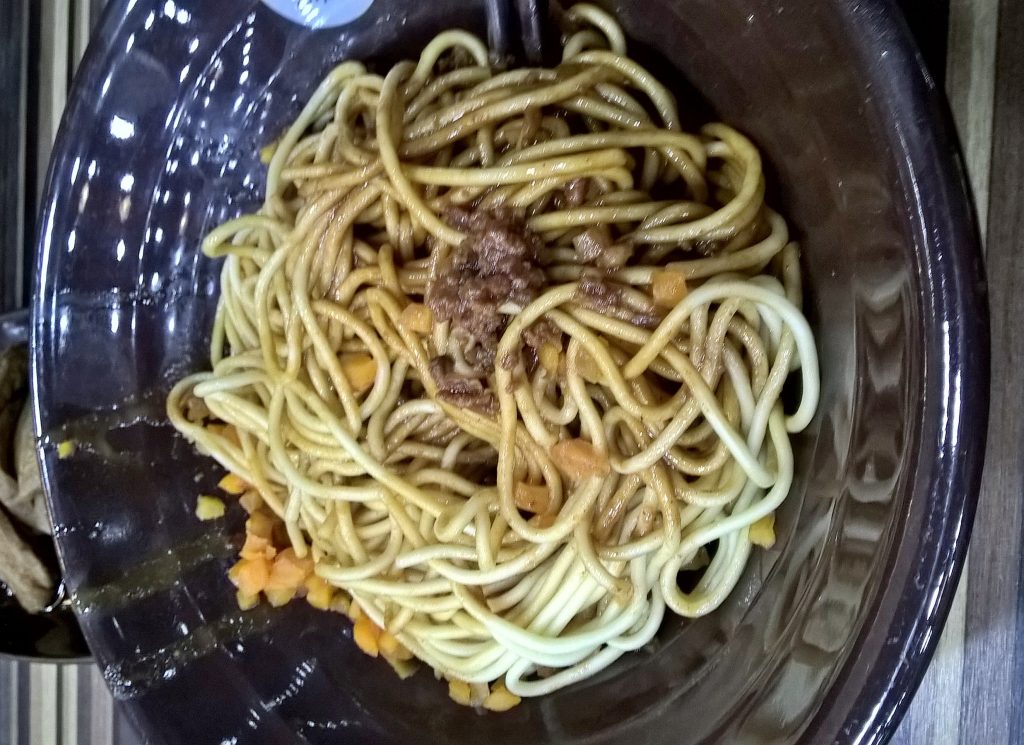
Wuhan’s signature breakfast bowl is 热干面 (règānmiàn), usually translated as hot dry noodles. The name is literal: the noodles are served hot, coated in sauce, and not swimming in broth. If you arrive expecting a soup noodle like beef noodles elsewhere in China, the first glance can surprise you — until you mix and taste.
For first-timers, reganmian is less about hunting a mythical “best shop” and more about learning the texture: springy alkaline noodles, sesame-rich sauce, and toppings that add salt, crunch, and aroma. It is a weekday breakfast fuel as much as a travel checklist item.
Why the bowl looks “dry”
Unlike soup noodles, hot dry noodles are blanched or heated, drained, then tossed with a sesame paste sauce and seasonings. The sauce clings; it does not pool like a broth. That is why mixing matters — an unmixed bowl tastes uneven, with paste sitting on top and plain noodles below.
Think of it as closer in spirit to a dressed noodle than to a noodle soup. Steam rises; soup does not.
Sesame sauce, heat, and the flavour stack
The heart of reganmian is sesame paste (芝麻酱) loosened into a pourable sauce, often joined by soy, chili oil or pickled elements depending on the stall, plus aromatics like scallion and garlic notes. You may also see radish strips, pickled beans, or minced toppings.
Flavour expectations for first-timers:
- Nutty and savory first, not “spicy challenge” first
- Salt and sesame dominate; chili is adjustable at many stalls
- Chewy noodles — the bite is part of the identity
- Aromatic toppings finish the bowl after mixing
If you are sensitive to sesame, ask before ordering — sesame paste is structural, not optional garnish.
How to order without stress
You do not need perfect Mandarin. Pointing works; a few words help.
Useful phrases:
- 热干面 — règānmiàn — hot dry noodles
- 一份 — yī fèn — one serving
- 微辣 — wēi là — mild spicy
- 不辣 — bù là — no chili
- 加蛋 — jiā dàn — add egg (if offered)
- 打包 — dǎbāo — takeaway
In busy breakfast shops, you may order at a counter, pay by QR, and collect when called. Mobile payments dominate — set up Alipay and WeChat Pay before the morning rush. Some places still show picture menus; others assume locals know the drill. If a QR table menu appears, Chinese restaurant QR menus for foreigners explains the calm path through phone ordering.
The mixing ritual (do not skip)
When the bowl arrives:
1. Pour any side sauce cups into the noodles if they are separate.
2. Use chopsticks to lift and fold from the bottom.
3. Mix until the colour looks even — not streaky.
4. Taste, then add chili or vinegar only if provided and wanted.
5. Eat steadily; the noodles firm as they cool.
Skipping the mix is the most common first-timer mistake. The second is adding too much chili before tasting the sesame base.
Breakfast timing: when Wuhan eats this bowl
Reganmian is a morning classic. Shops open early; office crowds move fast; popular counters sell out of the freshest batches as the morning goes on. For travellers, aim earlier than a hotel buffet schedule if you want the classic pace.
Practical timing notes:
- Early morning: Best match for the local rhythm
- Late morning: Still fine at many shops; some shift to other noodles
- Afternoon/evening: Available at some places, but the cultural “click” is breakfast
If your train lands mid-afternoon, you can still try a bowl — just know you are slightly outside the ritual. Pair it with a walk, not with a heavy dinner plan immediately after.
What to drink and what to pair
Many locals pair hot dry noodles with soy milk or a mild drink rather than a second heavy fried plate. If you want more food, add a simple side that the shop already sells — an egg, a small savory pastry — instead of inventing a banquet.
On humid Wuhan days, sesame-rich noodles feel filling. Share if you are not very hungry; order a second bowl only after finishing the first. There is no prize for over-ordering.
How reganmian differs from other famous Chinese noodles
A quick mental map helps:
- Lanzhou beef noodles: Broth-forward, clear soup identity
- Chongqing/spicy noodle bowls: Often oil and heat forward in different ways
- Wuhan hot dry noodles: Sauce-coated, sesame-centred, typically breakfast-coded
- Jianbing or steamed buns: Different breakfast lane entirely — portable vs bowl-and-chopsticks
You do not need to rank them. You only need to stop judging reganmian by soup-noodle rules.
Finding a bowl as a visitor
You will find hot dry noodles in Wuhan breakfast shops, market edges, and some railway-adjacent eateries. Hotel staff can point to a nearby morning spot. Tourist clusters serve acceptable bowls too; neighbourhood counters often feel more routine and local.
Hygiene habits that travel well:
- Choose busy shops with fast turnover
- Watch noodles mixed to order when possible
- Avoid mystery toppings if your stomach is delicate on travel days
- Carry tissues; sesame sauce finds cuffs
If you are chaining cities by high-speed rail, a morning bowl near the station can be better than waiting until you are starving on the platform — just store luggage first if needed and keep your boarding buffer.
Mid-Autumn and autumn travel context
Early autumn in Wuhan can still feel warm at midday, with cooler mornings that make a hot bowl pleasant. If your China trip includes Mid-Autumn (25–27 September 2026) or Golden Week (1–7 October), breakfast shops near attractions get busier — go earlier, or eat near your hotel rather than queuing in a sightseeing bottleneck. Festival calendars reshape crowds more than they reshape the recipe; see Mid-Autumn open/closed patterns if you are planning which mornings shops feel densest.
A first-timer tasting checklist
- Order one standard bowl before customising heavily
- Mix thoroughly
- Taste sesame and salt before chili
- Notice the chew of the noodle
- Stop while it is still hot
- Decide later whether you want a second style with extra toppings
Texture notes for sensitive stomachs
Travel days already stress digestion. If your stomach is cautious, choose a clean busy shop, skip extra chili oil, and eat slowly. Sesame paste is rich; you do not need a second fried side to feel finished. Drink warm soy milk or water rather than ice-cold soda if that is your usual travel rule.
Children and first-time Asia travellers often do better with a shared bowl plus a plain side rather than two full spicy customisations. Ask for 不辣 if chili oil is default. If the noodles seem too firm, mix longer and let them sit thirty seconds — sauce softens the first impression without turning the bowl into soup.
Common first-timer mistakes
- Expecting soup and feeling “cheated” by a dry bowl
- Not mixing
- Adding chili immediately
- Ordering takeaway and letting it sit until noodles glue together
- Comparing one average tourist-stall bowl to a lifelong local memory and declaring the dish “overrated”
After the bowl
Hot dry noodles are a Wuhan handshake: quick, fragrant, and practical. They will not replace every comfort food you miss from home, and they are not meant to. Eat one calmly in the morning, keep sesame off your shirt, and move into the day with a better sense of how this city fuels itself.
If lunch later turns to other regional classics on your wider China route, keep the same first-timer discipline — mild first, spice second — whether you are facing Sichuan heat or a quieter noodle house. For now, one well-mixed bowl of reganmian is enough education.