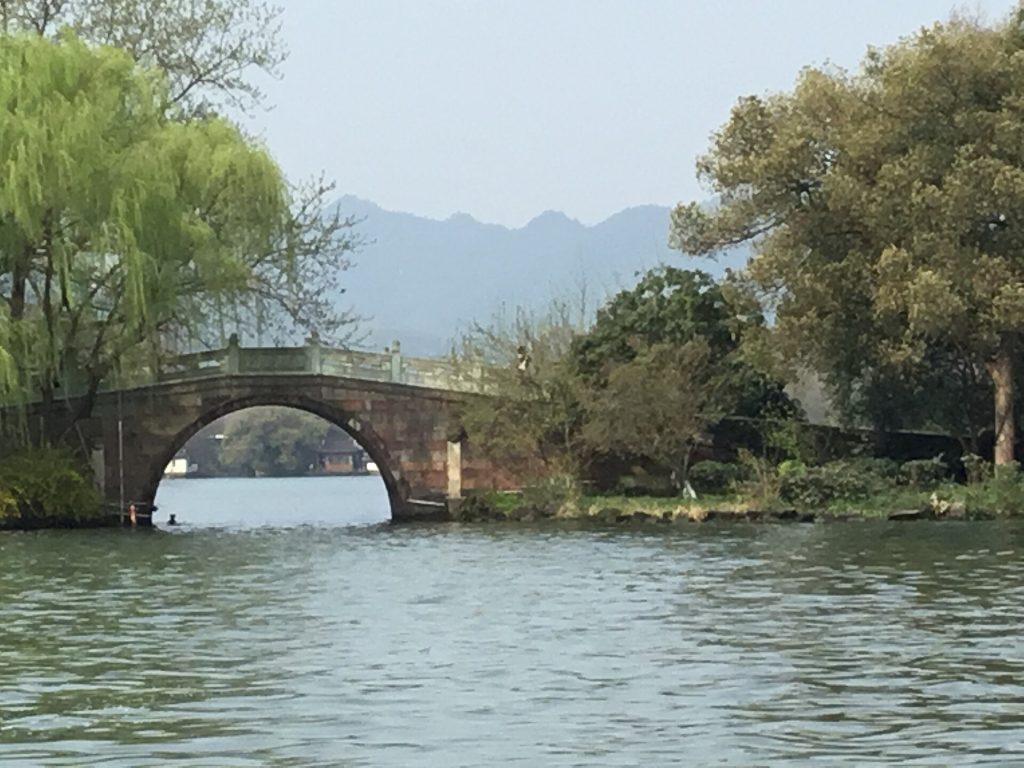
West Lake (Xihu) is Hangzhou’s emotional centre—water, willow, causeways, and pagoda silhouettes that show up in a thousand paintings. It is also larger and more walkable than some visitors expect, with free shoreline paths beside ticketed temples and gardens that sit a short stroll inland. A first visit works best when you pick a loop, not a frantic checklist.
This guide focuses on lakeside walking patterns (Broken Bridge, Bai Causeway, Su Causeway), bike versus walk tradeoffs, a honest tea-hills half-day add-on, November packing, and which experiences tend to charge versus the free lakeshore. For seasonal colour, see Hangzhou in November. For tea context, try Longjing tasting for visitors. Shanghai visitors often arrive by high-speed rail—book via 12306 guidance.
Free lakeshore vs ticketed neighbours
Much of the classic lakeside promenade is open without a ticket. You can walk, photograph, and sit on benches with a snack. Nearby famous temples, parks, or indoor sites may charge separate admission—Lingyin Temple is a common add-on with its own ticketing rules, for example. Always read the booth or official park notice for the site you enter; this article will not invent 2026 prices or hours.
A calm first day: stay mostly on free causeways and shores, then add one ticketed site if energy remains.
Bai Causeway and Broken Bridge
Bai Causeway links iconic postcard angles, including the area around Broken Bridge (Duanqiao)—a name wrapped in legend and a favourite photo stop in cooler months when mist or autumn light cooperates. Go early if you dislike crowds; late mornings fill with tour groups.
Walk slowly. The point is water-and-willow rhythm, not step counts. Vendors and snack stalls appear along popular stretches—mobile pay dominates; keep a little cash for odd stalls (cash reality check).
Su Causeway
Su Causeway stretches with sequential bridges and broader lake views. It is excellent for a longer walk or a gentle bike ride when paths allow. Midday sun on clear November days can still feel bright—carry water and sun protection even in cool air.
Combine Bai and Su only if you enjoy long walks; otherwise pick one causeway deeply rather than both shallowly.
Walk vs bike
Walking suits photography, couples, and anyone who wants to stop for tea without unlocking docks.
Biking covers more shoreline when official rental bikes or permitted routes are available—follow local rules on where cycling is allowed, dismount where signs require, and never assume every lakeside path is a bike lane.
Scooters and chaotic traffic appear as soon as you leave park-like zones; West Lake’s calm is not the whole city’s traffic personality.
Boats and viewpoints
Boat rides on the lake are a classic option when services run; ticket booths outline routes and prices on site. Pagoda viewpoints and hill lookouts around the lake add elevation—check whether the specific viewpoint charges. On hazy days, distant skyline shots disappoint; on clear autumn afternoons, they shine.
Tea hills as a half-day add-on
South and west of the lake, tea fields and tasting rooms invite a Longjing (Dragon Well) detour. Treat it as a half-day, not a fifteen-minute errand: transport, walking between terraces, and tasting take time. Read our Longjing tasting guide and be polite in shops—sampling is not a free lunch tournament.
If you only have one day in Hangzhou, decide deliberately: pure lake loop versus lake morning + tea afternoon. Both are valid; mixing three temples, two causeways, and a tea village on foot is how people remember Hangzhou as exhaustion.
November 2026 packing and pace
Late October into November often brings mild, photogenic weather around the lake—cool mornings, comfortable afternoons, chilly evenings. Layers, a light gloves option for night walks, and comfortable shoes matter more than fashion. Rain happens; a compact umbrella earns its place.
Evenings along lit causeways are atmospheric—see also the story piece on a November evening at West Lake in this publishing batch for mood. For practical night safety, stick to populated paths and keep phones secured.
Getting there and payments
From Hangzhou’s main rail stations, metro and Didi reach lakeside hotels efficiently when apps and data work. Stay near the northeast or north shores if you want sunrise walks without long commutes.
Pay for snacks and tickets with WeChat/Alipay; link cards before you rely on them (payments hub).
A sample gentle day (not a ranking)
1. Morning coffee near the lake
2. Bai Causeway + Broken Bridge photos before dense crowds
3. Slow lunch away from the densest tourist strip if possible
4. Su Causeway segment or a boat if you want water time
5. Optional tea-hills half day or one temple visit—not both if you are tired
6. Evening lakeside stroll and early night
Adjust for mobility needs; benches are part of the design.
Day trip context from Shanghai
High-speed rail makes Hangzhou a popular Shanghai side trip. Still count door-to-door time, station security, and the lake’s walking load. An overnight in Hangzhou usually feels kinder than a compressed same-day raid—especially in November dusk.
Food near the lake without hijacking the day
Lakeside restaurants range from tourist-priced vinegary fish set pieces to ordinary noodle shops one block inland. If you want the famous Hangzhou flavours, consider scheduling a proper meal away from the densest railing tables—your wallet and your patience may thank you. Snack vendors sell chestnuts, sausages, and drinks that pair fine with walking; use mobile pay and keep moving so you do not turn the causeway into a three-hour lunch stop.
For classic dishes in context, Lovely China’s Hangzhou food pieces (Dongpo pork, Pian Er Chuan noodles, vinegar fish) make useful dinner reading after the walk—not mandatory checklist items for the same morning.
Photography etiquette
Broken Bridge and willow tunnels are crowded photo stages. Take your turn, avoid blocking the entire path with tripods during peak flow, and be careful with drones—many scenic zones restrict them. Early light is kinder to both photos and tempers. Evening lights reflect beautifully on calm water; watch your step on damp stones.
Combining with Xixi or city museums
Xixi National Wetland Park and downtown museums are excellent Hangzhou extras, but they are not “next to Broken Bridge.” Treat them as separate half-days. A first visit that tries lake + wetland + Lingyin + tea village in one daylight window usually becomes a blur of taxis. Sequence beats density.
FAQ
Is West Lake free?
The main lakeshore promenades are generally open without a ticket; many adjacent attractions charge separately. Confirm each site at its entrance or official notice.
How many hours do I need?
A satisfying first look can take a half day; a fuller causeway-and-tea day fills most of a daylight cycle. Avoid treating it as a thirty-minute checkbox.
Can I visit Lingyin Temple the same day?
Yes if you start early and accept less lake time. Do not underestimate travel between clusters.
Are drones allowed?
Follow posted local rules; many scenic areas restrict drones. When unsure, do not fly.
What should I read next?
Hangzhou in November, Longjing tasting, and Shanghai first-visit if you are combining cities.
Bottom line
West Lake rewards a slow loop: choose a causeway, protect time for light and air, add at most one ticketed or tea-hills extra, and dress for November cool. The free shoreline is already the main attraction—everything else is garnish.