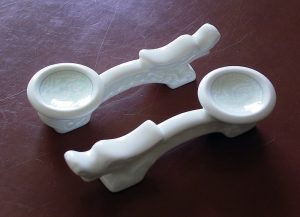
Gift-giving in China is warm, symbolic, and easy to mishandle if you import only Western assumptions. Foreign guests who arrive empty-handed to a home dinner feel awkward; those who gift clocks or sharp objects may accidentally send the wrong message. This guide covers practical etiquette—not superstition theatre.
See also Chinese banquet seating etiquette, chopsticks etiquette for foreigners, China travel tools page.
When gifts are expected
- Home invitations and first visits to a family
- Thanking a local friend who spent a day guiding you
- Light business courtesy after meaningful help (keep it modest)
Airport chocolate and decent fruit remain safe default genres when you lack local knowledge.
Presentation matters
Wrap neatly or use a shop gift bag. Offer with both hands. The recipient may refuse once politely—offer again gently. Immediate unwrapping in front of you is not always the custom; do not be offended if it is set aside.
Numbers, colours, and avoid lists (practical)
Patterns many hosts still recognise:
- Avoid clocks, umbrellas, sharp knives, and handkerchief sets as primary gifts—associations can be unlucky or imply parting
- Avoid pure white or black wrapping as your only aesthetic when alternatives exist
- Even numbers often feel friendlier for some gift counts; steer clear of making a big deal of “4” in formal contexts
- Quality fruit, tea, or specialties from your home country usually land well
These are cultural heuristics, not criminal law—read the room and your host’s generation.
Business vs friends
Business gifts should be modest enough not to look like a bribe. Company-branded premium pens or local specialties beat expensive watches. Friends appreciate thoughtfulness over price.
Receiving gifts
Accept with both hands and thanks. If you must refuse (airline liquids, hotel policy), explain warmly and suggest an alternative kindness like a meal.
Hosting reciprocity
If someone gifts you local tea, a later postcard or reciprocal dinner is kinder than an identical immediate counter-gift race.
November seasonal angle
Autumn fruit boxes and warm snacks fit the weather. Avoid melting chocolates on long HSR days without a plan.
Related Lovely China reading
For payments and wallets, start with Alipay and WeChat Pay hub and WeChat Pay vs Alipay for tourists. For trains and long-distance moves, keep high-speed rail first-timers guide and 12306 passport signup for foreigners handy. For city orientation, the Beijing first-visit guide, Shanghai first-visit guide, and Chengdu first-visit guide hubs remain useful even when your trip centres on another province. Connectivity backups live in roaming vs local SIM honest guide, SIM vs eSIM carriers compare, pocket Wi-Fi vs eSIM for China, and offline maps for foreigners. Bookmark China travel tools page so you can jump between logistics topics without searching from scratch on hotel Wi-Fi at midnight.
Practical checklist
- Confirm official rules on the relevant government, park, airline, or bank page near your travel week
- Screenshot bookings, tickets, and QR codes while you still have stable Wi-Fi
- Save hotel and attraction names in Chinese characters in your phone notes
- Carry passport, a backup payment method, and a small cash float (why cash is still needed)
- Test one small mobile payment before you rely on wallets at a gate or taxi
- Build time buffers for security lines, November weather, and bilingual navigation
- Prefer refundable holds until visas, trains, or park tickets are confirmed
- Keep the China travel tools page page bookmarked for related Lovely China hubs
How to verify information without panicking
English travel blogs lag policy changes. When something critical is at stake—entry permission, ticket validity, or whether a card works—use primary sources: embassy or VAC pages, National Immigration Administration notices, official park reservation platforms, airline apps, and the screens inside Chinese super-apps. Lovely China articles such as Alipay and WeChat Pay hub, high-speed rail first-timers guide, and essential apps for foreigners help you orient, but they are not substitutes for the live rule in front of you.
If two sources conflict, choose the stricter one until you can ask a human at the counter. That habit prevents most arguments that begin with “I read online that…” at gates.
FAQ
Is cash an appropriate gift?
Red-envelope cash culture exists in specific contexts; as a foreign dinner guest, physical gifts or treating a meal are usually safer than improvising cash etiquette.
What should I bring to a home hotpot?
Fruit, drinks, or a small dessert from a reputable shop—ask if the host already cooked everything.
Are wine gifts OK?
Yes if you know the host drinks wine; tea can be safer when unsure.
Should I wrap gifts myself?
Neat shop wrapping is fine. Both-hands offering matters more than perfect bows.
Notes for late 2026 travellers
Late October and November bring cooler mornings, earlier sunsets, and comfortable train weather across much of eastern and central China. Pack layers, keep phone batteries warm outdoors, and leave extra time whenever a clear weekend coincides with popular sightseeing.
This article does not invent ticket prices, opening hours, processing times, consular fees, or official statistics. When a number matters, verify it on the official site, consulate page, app screen, or ticket board near your travel week.
Write key Chinese addresses into your phone notes before you leave Wi-Fi. Screenshot tickets and booking codes. Carry a small cash float even if you prefer wallets—see why cash is still needed. Reconfirm last-mile transport the evening before early starts.
If an official rule page disagrees with this guide, follow the official page. Lovely China orients English-speaking travellers; we are not an immigration, banking, or medical authority. Keep the China travel tools page bookmarked for other logistics hubs.
Traveller mindset
Move slowly through paperwork moments. A calm queue is cheaper than a missed train or a refused visa file. When language fails, show passport pages, booking screens, and maps with Chinese labels. Hotel front desks and station information booths are used to helping foreigners through routine steps.
Keep expectations honest: China is highly digital, but edge cases remain. Your job is not to memorise every exception—it is to carry backups (second card, cash, offline maps, written addresses) so one failure does not end the day. For everyday apps, start with essential apps for foreigners.