Walking down a leafy lane in Shanghai, a rich, caramelized aroma rises from a small open-front noodle shop, instantly drawing you in. For first-time foreign visitors, navigating the city’s vast culinary landscape can feel overwhelming, but few dishes offer as comforting or iconic an introduction as Shanghai scallion oil noodles, known locally as cong you ban mian. Deceptively simple, this humble bowl of noodles represents the soul of Benbang cuisine—the traditional local cooking of Shanghai—proving that extraordinary flavor requires nothing more than technique, patience, and top-tier ingredients.
What Are Shanghai Scallion Oil Noodles?
At its core, cong you ban mian translates to scallion oil tossed noodles. Unlike heavy, broth-laden noodle soups found across other regions of China, this is a dry-tossed style where freshly boiled noodles are coated in a fragrant, seasoned oil mixture right at the table.
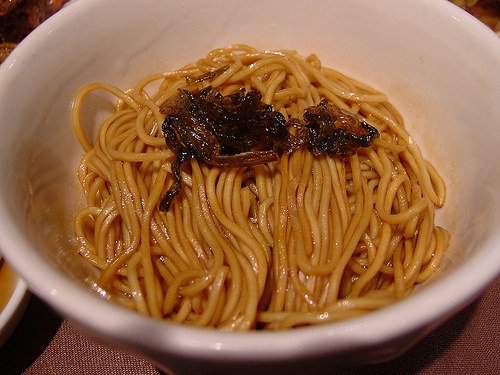
The dish relies on a minimalist combination of three primary components: chewy wheat noodles, freshly fried green scallions, and a sweet-savory soy sauce reduction. Despite having almost no visible toppings other than dark, crispy scallion pieces, the flavor profile is remarkably complex. The oil carries an intense, toasted onion fragrance, while the soy sauce adds a balanced caramel sweetness that cuts through the richness.
The Anatomy of a Perfect Bowl
Understanding what goes into your bowl helps you appreciate why locals hold this comfort food in such high regard.
The Scallions: Chefs use abundant quantities of fresh green spring onions, separating the whites and greens. They are slow-fried in oil over low heat until they turn deep brown and crisp, infusing the oil with their aromatic essence.
The Sauce: A precise blend of light and dark soy sauce simmered with sugar and sometimes a splash of cooking wine or dried shrimp roe for an extra umami boost.
The Noodles: Medium-thick, round wheat noodles cooked to a precise al dente texture, ensuring they absorb the oil without becoming mushy.
When served, the hot noodles arrive topped with the dark, sweet sauce and the dark, caramelized scallions. The ritual of tossing everything together releases a cloud of steam packed with roasted allium notes.
Step-by-Step Guide to Ordering Like a Local
Stepping into a traditional Shanghai noodle house can be intimidating for newcomers, but the process is straightforward once you know the workflow.
Locate a Noodle Shop: Look for bustling neighborhood spots during lunchtime where locals are packed shoulder-to-shoulder.
Review the Menu: Many modern spots feature digital QR code menus at the table, while older spots have pictorial wall menus. Look for the characters 葱油拌面 or the pinyin label cong you ban mian.
Place Your Order: If ordering at a counter, point to the item and clearly state your choice. You can say “Cong you ban mian, yí fèn” (One portion of scallion oil noodles).
Settle Payment: Cash is rarely used in modern Shanghai. Ensure your digital wallet is set up beforehand by reviewing the Alipay and WeChat Pay hub to seamlessly scan and pay at the table or counter.
Customize with Toppings: While delicious on its own, locals often add protein sides like pork chop, fried pork ribs, or braised duck. Pointing to a glass display case is an easy way to select a side dish.
Where Scallion Oil Noodles Fit in a Shanghai Food Day
Because scallion oil noodles are relatively light compared to heavy stews or spicy hotpots, they fit perfectly into a casual daytime food itinerary. They make an ideal mid-morning snack or a quick lunch while exploring historic neighborhoods like the former French Concession or the lanes near People’s Square.
If you are planning your wider travel itinerary, check out the comprehensive Shanghai first-visit guide to balance your culinary stops with iconic sightseeing landmarks, transit tips, and neighborhood walks. Pair your noodle bowl with a glass of soy milk or a light vegetable broth, which is frequently served complimentary alongside dry noodle dishes in local eateries.
FAQ
Are Shanghai scallion oil noodles vegetarian?
Traditionally, the oil used to fry the scallions is vegetable oil or lard, and the soy sauce reduction occasionally incorporates dried shrimp or shrimp roe for enhanced flavor. If you follow a strict vegetarian or vegan diet, it is best to ask the staff by pointing to a note or translating a phrase asking if lard or shrimp is used in the preparation.
How do I properly mix the noodles before eating?
As soon as your bowl arrives, use your chopsticks to lift and turn the noodles thoroughly from the bottom up. This ensures the settled soy sauce and rich scallion oil evenly coat every single strand of noodle before they cool down and stick together.
What should I keep in mind regarding table manners and utensil use?
Slurping noodles is culturally acceptable and even encouraged in China, as it helps aerate the food and cool it down. When handling your utensils, keep your grip relaxed and review proper chopsticks etiquette for foreigners to avoid common cultural missteps like sticking your chopsticks upright into the bowl.
Can I order scallion oil noodles for takeout?
While you can buy packaged instant versions in supermarkets, freshly made restaurant noodles do not travel well because they tend to absorb all the oil and swell up quickly. For the authentic texture and aroma, it is always best to enjoy them fresh at the shop.
Related Lovely China reading
For payments, start with Alipay and WeChat Pay hub and WeChat Pay vs Alipay for tourists. For trains, keep high-speed rail first-timers guide and 12306 passport signup for foreigners handy. City hubs: Beijing first-visit guide, Shanghai first-visit guide. Connectivity: roaming vs local SIM honest guide, pocket Wi-Fi vs eSIM for China, offline maps for foreigners. Bookmark China travel tools page.
Practical checklist
- Confirm official rules on the relevant government, park, airline, or bank page near your travel week
- Screenshot bookings, tickets, and QR codes while you still have stable Wi-Fi
- Save hotel and attraction names in Chinese characters in your phone notes
- Carry passport, a backup payment method, and a small cash float (why cash is still needed)
- Test one small mobile payment before you rely on wallets at a gate or taxi
- Keep the China travel tools page page bookmarked for related Lovely China hubs
FAQ
Is this food advice official?
No. Lovely China orients travellers. Verify live rules on official pages, apps, and counters near your travel week.
Will every city behave the same?
No. Airports, stations, and parks differ. Use local signage and staff instructions when they conflict with a general guide.
What should I screenshot before I lose Wi-Fi?
Bookings, tickets, hotel Chinese address, pickup pins, and payment success screens.
Notes for late 2026 travellers
Late October and November bring cooler mornings, earlier sunsets, and comfortable walking weather across much of eastern and central China. Pack layers and leave extra time on clear weekends at popular sights.
This article does not invent ticket prices, opening hours, processing times, consular fees, or official statistics. When a number matters, verify it on the official site, app screen, or ticket board near your travel week.
If an official rule page disagrees with this guide, follow the official page. Lovely China orients English-speaking travellers; we are not an immigration, banking, or medical authority.