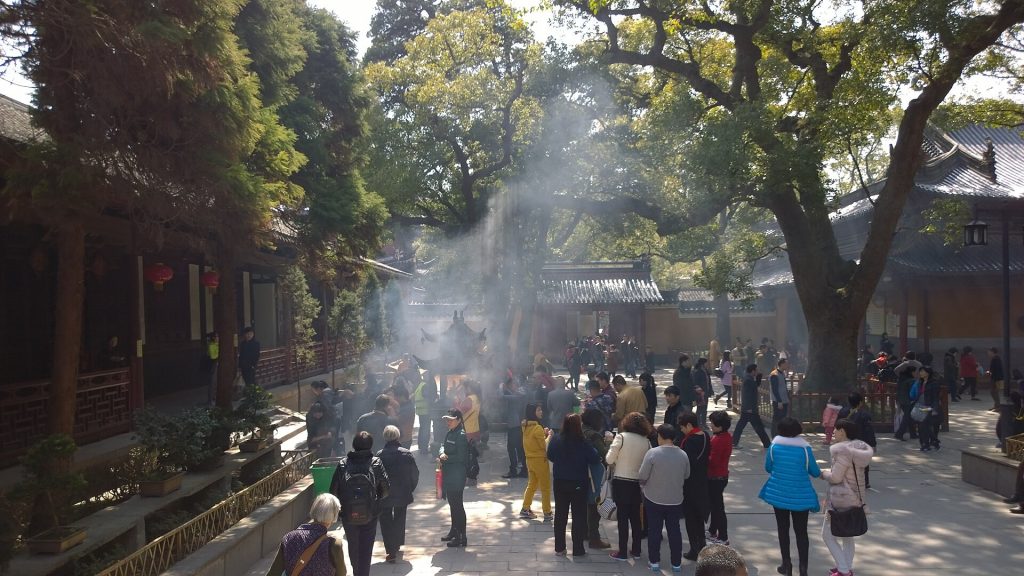
Stepping into a historic Chinese temple offers a profound window into local life, philosophy, and centuries-old traditions. For English-speaking travellers and expats exploring heritage sites across China—particularly during the cooler, atmospheric months of November and December—witnessing locals lighting incense and making offerings can be deeply moving. However, foreign visitors often feel hesitant, unsure whether they are allowed to participate, where to stand, or how to avoid causing accidental offence. This guide breaks down the essential etiquette of temple visits, helping you observe, learn, and participate respectfully without disrupting active worshippers.
Before You Step Inside: Preparation and Dress Code
A respectful temple visit begins well before you pass through the main gates. While historic sites function as major cultural landmarks, active temples remain sacred spaces for local worshippers.
Dress Conservatively: Cover your shoulders and knees. Especially as temperatures drop in late autumn and winter, wearing a heavy coat, long trousers, or a modest skirt naturally satisfies local standards of respect.
Observe Threshold Manners: As you approach the entrance of a temple hall, you will notice a raised wooden or stone beam across the bottom of the doorway. Never step directly on this threshold. In traditional Chinese architecture, thresholds are treated with respect; lift your foot entirely over the beam to enter.
Keep Your Voice Low: Treat temple grounds as spaces for quiet reflection. Turn mobile phones to silent, keep conversations subdued, and be mindful that your queue etiquette for foreigners applies just as strictly here when buying tickets, entering gates, or waiting for burning stations.
Navigating Incense: Where to Buy, How to Light, and Common Patterns
Lighting incense (xiang) is a central practice in many Chinese Buddhist and Daoist temples, creating a sensory atmosphere thick with fragrant smoke and quiet prayers. However, practices have evolved to balance environmental safety, fire prevention, and cultural preservation.
Check Local Regulations First: Many prominent urban complexes—such as the magnificent altars featured in our Temple of Heaven visit tips—prohibit open flames or incense burning entirely to protect ancient wooden architecture. Always look for official signage near the entrance or consult guidance from the local cultural tourism bureau or site administration before attempting to buy incense.
Purchase Only from Designated Vendors: If incense is permitted and sold on-site, buy it directly from official temple kiosks. Avoid unauthorized street vendors outside the gates. Many modern urban temples even provide a modest bundle of incense for free or as part of your admission to discourage outside commercial products with excessive packaging.
Lighting and Extinguishing: Light your incense at the designated communal brazier outside the main halls. Once lit, do not blow out the flame with your mouth—which is considered unclean in traditional practice. Instead, gently wave the sticks back and forth in the air until the flame extinguishes itself, leaving only glowing embers.
Common Patterns and Bows: While practices vary, holding the incense sticks in both hands at chest level, bowing slightly toward the cardinal directions (or facing the main altar), and placing them respectfully into the giant central burner is common. You do not need to mimic complex theological rituals; a sincere, quiet bow is universally understood and appreciated. For specific insights into northern monastic layouts, you can also review our dedicated Lama Temple visit tips.
Offerings, Donations, and Photography Etiquette
Beyond incense, visitors will see various offerings left at altars and subtle rules governing personal conduct inside sacred halls.
Understanding Donations: Donation boxes (gongdexiang) are placed near altars. If you wish to make a small financial contribution to help maintain the historic buildings, slip paper currency or coins quietly into the slot. Never take items out, and do not touch offerings left by others, such as fresh fruit or pastries.
Respect Photo Bans: Walk into any major indoor hall, and you will frequently see bold signs reading “No Photography” (Bu neng pai zhao). Respect these rules strictly, especially around main statues of deities or Buddhas. Flash photography can damage ancient pigments and textiles, and taking selfies with sacred statues is generally considered disrespectful to worshippers. If photography is permitted in outdoor courtyards, keep your focus on architecture and scenery rather than filming close-ups of people deep in prayer.
Watch and Follow Locals: When in doubt, step back and observe the rhythm of local visitors. Notice how they move, where they bow, and how they yield space to others. Adapting this mindful, observant posture ensures your visit remains a harmonious cultural exchange.
FAQ
Can foreign visitors light incense in Chinese temples?
Yes, in many traditional Buddhist and Daoist temples where open flames are permitted, foreign visitors are welcome to participate. However, many historic sites and major urban museums now restrict or entirely ban incense burning to protect ancient wooden structures and improve air quality. Always check official on-site signage or verify current guidelines with the scenic area’s administration before your trip.
Is it acceptable to take photos inside temple halls?
Generally, no. Most indoor halls housing sacred statues prohibit photography and video recording entirely to preserve ancient artifacts and respect worshippers. Always look for “No Photography” signs before lifting your camera or phone. Outdoor courtyards and architectural exteriors are usually fine for photography, provided you do not block pathways or intrude upon people praying.
What should I do with my hands when holding incense?
Hold the incense sticks with both hands, bringing them up near your chest or forehead as a sign of respect. When the sticks are lit, wave them gently in the air to put out any open flame rather than blowing on them with your mouth. Once extinguished, place them carefully into the designated large iron brazier.
How much money should I put in the temple donation box?
There is no fixed amount or requirement for donations. If you choose to contribute to the upkeep of the temple, any small amount of loose change or a modest bill placed quietly into the donation box (gongdexiang) is completely voluntary and appreciated by the site management.
Related Lovely China reading
For payments, start with Alipay and WeChat Pay hub and WeChat Pay vs Alipay for tourists. For trains, keep high-speed rail first-timers guide and 12306 passport signup for foreigners handy. City hubs: Beijing first-visit guide, Shanghai first-visit guide. Connectivity: roaming vs local SIM honest guide, pocket Wi-Fi vs eSIM for China, offline maps for foreigners. Bookmark China travel tools page.
Practical checklist
- Confirm official rules on the relevant government, park, airline, or bank page near your travel week
- Screenshot bookings, tickets, and QR codes while you still have stable Wi-Fi
- Save hotel and attraction names in Chinese characters in your phone notes
- Carry passport, a backup payment method, and a small cash float (why cash is still needed)
- Test one small mobile payment before you rely on wallets at a gate or taxi
- Keep the China travel tools page page bookmarked for related Lovely China hubs
FAQ
Is this culture advice official?
No. Lovely China orients travellers. Verify live rules on official pages, apps, and counters near your travel week.
Will every city behave the same?
No. Airports, stations, parks, and markets differ. Use local signage and staff instructions when they conflict with a general guide.
What should I screenshot before I lose Wi-Fi?
Bookings, tickets, hotel Chinese address, pickup pins, and payment success screens.
Notes for late 2026 travellers
November and early December bring cooler mornings, earlier sunsets, and comfortable walking weather across much of eastern and central China. Pack layers and leave extra time on clear weekends at popular sights.
This article does not invent ticket prices, opening hours, processing times, consular fees, or official statistics. When a number matters, verify it on the official site, app screen, or ticket board near your travel week.
If an official rule page disagrees with this guide, follow the official page. Lovely China orients English-speaking travellers; we are not an immigration, banking, or medical authority.