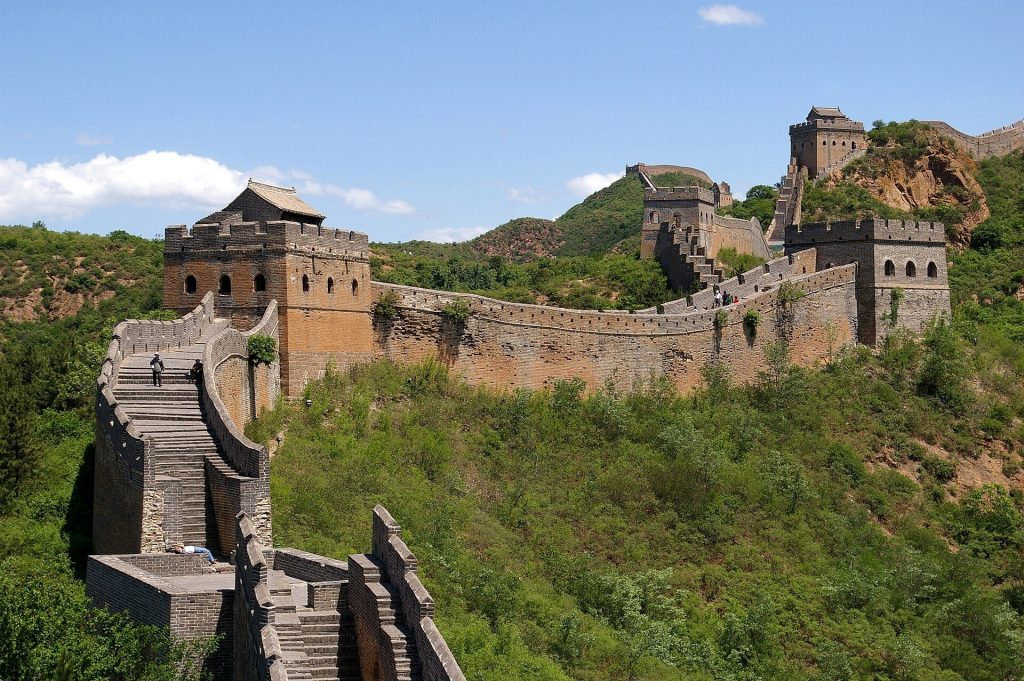
Choosing between Jinshanling and Mutianyu is less about which section of the Great Wall is objectively “better” and entirely about what kind of day you want to experience. Both options offer spectacular stonework, dramatic watchtowers, and mountain backdrops, but they cater to entirely different fitness levels, crowd tolerances, and travel styles. If you are balancing a trip to Beijing during the crisp November–December 2026 season, understanding the logistical trade-offs before you book is essential.
Read on to break down fitness demands, crowd patterns, transport realities, and seasonal preparation for both locations.
Fitness and Terrain: Structured Steps vs. Rugged Ridges
Your physical comfort on the wall should dictate your choice. The terrain profiles diverge significantly:
Mutianyu: Highly structured and family-friendly. It features fully restored stone steps, consistent handrails, and a heavily forested valley approach. While climbing the thousands of steps from the base is a legitimate leg workout, mechanical assists like cable cars, chairlifts, and a famous stainless-steel toboggan let you bypass the vertical climb entirely.
Jinshanling: Built for active hikers and photographers. Jinshanling bridges the gap between fully restored masonry and raw, unrestored “wild” wall. Expect uneven original bricks, steep pitch changes, unpaved dirt tracks between sections, and exposed ridgelines with no shelter. While it does have a basic cable car to mid-mountain, exploring its famous watchtowers requires continuous up-and-down scrambling over uneven terrain.
Crowds and Atmosphere
Mutianyu: Widely recommended in any Beijing first-visit guide for its reliability. Because of its efficient infrastructure, it absorbs large numbers of visitors smoothly, though peak midday hours can feel busy. You will hear a vibrant mix of international and domestic languages, but the broad stone paths prevent severe bottlenecks.
Jinshanling: Famous for its solitude. Even during peak tourism windows, the remote location thins out the crowds dramatically. On many stretches—particularly as you move toward the eastern gate or semi-wild sections—you may find yourself entirely alone with sweeping, unobstructed views of watchtowers rolling across the mountains.
Transport and Day Length Logistics
Distance from downtown Beijing is the major operational differentiator:
Mutianyu: Located roughly 70 kilometers northeast of central Beijing (about a 1.5-hour drive). It is easily accessible via dedicated tourist shuttle buses from city hubs or private transfers, allowing for a flexible half-day or relaxed full-day trip.
Jinshanling: Located approximately 130 kilometers away in Hebei province (taking 2 to 2.5 hours each way by road). There is no convenient direct rail link, meaning you must rely on a private car, a specialized hiking shuttle, or a booked tour. This turns Jinshanling into a definitive full-day commitment where a tight evening schedule in Beijing is discouraged.
If you are comparing other famous alternatives like Badaling, review details on Mutianyu vs Badaling Great Wall or check Badaling Great Wall tickets and crowds to understand why both Jinshanling and Mutianyu generally offer a superior experience for international travelers seeking to escape massive domestic tour groups.
November and December Weather Realities
Visiting the Great Wall in late autumn and early winter brings crisp blue skies, minimal haze, and striking photography conditions, but temperatures drop sharply:
Layering is mandatory: Mountain winds on exposed ridges make ambient temperatures feel significantly colder than in central Beijing. Bring a windproof outer shell, thermal base layers, and a beanie or gloves.
Shorter daylight hours: Sunset occurs much earlier in November and December. If you choose Jinshanling, start your journey early in the morning to ensure you finish your hike well before dusk.
Verify operational notices: Always check official operator channels for winter timetable adjustments or cable car maintenance notices close to your actual travel week.
FAQ
Which section is better for families and casual walkers?
Mutianyu is the clear winner for families, children, and casual visitors. Its combination of cable cars, gentle wooden boardwalk approaches in certain zones, and fun options like the toboggan descent make it much more forgiving than Jinshanling’s rugged staircases.
Can I visit Jinshanling using public buses?
Unlike Mutianyu or Badaling, Jinshanling has no straightforward, direct public transit network from downtown Beijing. Foreign travelers usually find it most practical to arrange a private car, book a specialized hiking shuttle, or join an organized day tour to handle the 2.5-hour highway transit smoothly.
How much time should I allocate for each?
Mutianyu can comfortably fit into a half-day or relaxed day trip if you use transport efficiently. Jinshanling requires a full-day commitment: accounting for 4 to 5 hours of total round-trip driving combined with 3 to 4 hours of active hiking, it will consume most of your daylight hours.
Related Lovely China reading
For payments, start with Alipay and WeChat Pay hub and WeChat Pay vs Alipay for tourists. For trains, keep high-speed rail first-timers guide and 12306 passport signup for foreigners handy. City hubs: Beijing first-visit guide, Shanghai first-visit guide. Connectivity: roaming vs local SIM honest guide, pocket Wi-Fi vs eSIM for China, offline maps for foreigners. Bookmark China travel tools page.
Practical checklist
- Confirm official rules on the relevant government, park, airline, or bank page near your travel week
- Screenshot bookings, tickets, and QR codes while you still have stable Wi-Fi
- Save hotel and attraction names in Chinese characters in your phone notes
- Carry passport, a backup payment method, and a small cash float (why cash is still needed)
- Test one small mobile payment before you rely on wallets at a gate or taxi
- Keep the China travel tools page page bookmarked for related Lovely China hubs
FAQ
Is this travel advice official?
No. Lovely China orients travellers. Verify live rules on official pages, apps, and counters near your travel week.
Will every city behave the same?
No. Airports, stations, parks, and markets differ. Use local signage and staff instructions when they conflict with a general guide.
What should I screenshot before I lose Wi-Fi?
Bookings, tickets, hotel Chinese address, pickup pins, and payment success screens.
Notes for late 2026 travellers
November and early December bring cooler mornings, earlier sunsets, and comfortable walking weather across much of eastern and central China. Pack layers and leave extra time on clear weekends at popular sights.
This article does not invent ticket prices, opening hours, processing times, consular fees, or official statistics. When a number matters, verify it on the official site, app screen, or ticket board near your travel week.
If an official rule page disagrees with this guide, follow the official page. Lovely China orients English-speaking travellers; we are not an immigration, banking, or medical authority.