Navigating the sprawling Beijing subway network is one of the most efficient ways to explore the city, but for a foreign first-timer, major transfer stations can feel overwhelming. While the trains themselves run smoothly, frequent travelers quickly learn that the map on your phone doesn’t always show the physical scale underground. Understanding how to handle long corridors, bilingual signs, and transfer layouts will turn a stressful commute into a seamless journey.
Decoding the Underground Scale: Long Transfer Walks
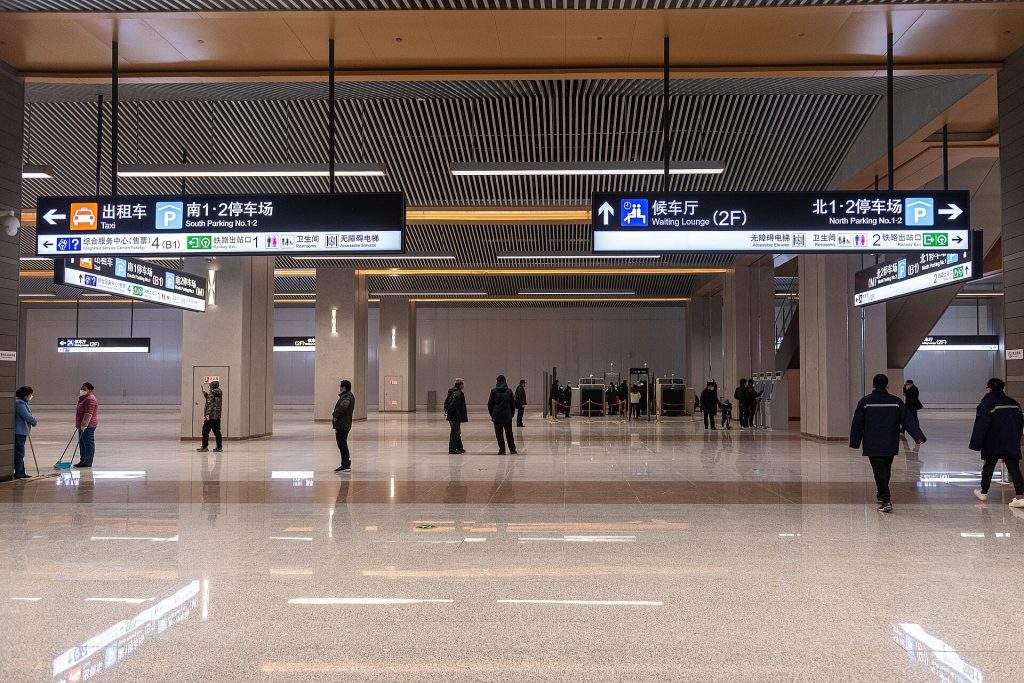
One of the biggest surprises for first-time visitors is the sheer distance of transfer corridors. Major interchange nodes—such as Dongzhimen, Xizhimen, or Guomao—connect multiple heavy-traffic lines, meaning switching trains often requires a 5-to-10-minute walk through tiled underground tunnels.
Follow the Color-Coded Signs: Overhead and wall-mounted signs feature clear bilingual text and distinct color rings matching your target line. Trust these visual cues rather than guessing direction.
Pace Yourself: Avoid rushing during peak hours. If you are carrying luggage, look for elevators or ramps, though escalators are far more common. Keeping your offline maps handy via offline maps for foreigners helps you mentally map out where you are heading.
Bilingual Exits and Choosing the Right Gate
Beijing’s stations are heavily equipped with bilingual English and Chinese signage, both on platforms and above ticket barriers. However, choosing the wrong exit letter (such as Exit A versus Exit C) can drop you on the opposite side of a massive multi-lane avenue with no easy pedestrian crosswalk.
Check the Exit Directory: Before tapping out of the turnstiles, look at the wall maps near the exit gates which list nearby landmarks, bus stops, and major streets.
Landmark Reference: If you are visiting major landmarks, pairing your station exit strategy with resources like Beijing subway first-timers ensures you emerge directly where you intend to be, avoiding lengthy detours around fenced-off blockades or broad plazas.
Security Screening and Network Flow
Every single station across the Beijing subway network requires passengers to pass through security checkpoints upon entry. Backpacks, handbags, and large luggage must go through the X-ray conveyor belt, while passengers walk through a metal detector archway.
Expect Quick Queues: During morning and evening rush hours, these security nodes can back up for a minute or two. Keep your belongings easy to slip onto the belt to keep the line moving.
Screenshot Your Line Map: Because underground mobile coverage can occasionally stutter between deep tunnels, saving a clean reference map or setting up your routing tools beforehand—such as following tips for Amap and Baidu Maps setup—prevents confusion if your data drops mid-transfer.
Time Buffers for Major Hubs and Tourist Zones
Trying to navigate central transfer points or stations near massive national landmarks—such as Tiananmen Square, the Forbidden City, or major railway hubs—requires generous time buffers, especially on weekends and public holidays.
Crowd Management: Stations near central tourism zones frequently implement crowd-control measures, routing foot traffic through specific one-way exit loops or temporarily closing certain gates to prevent platform overcrowding.
The Railway Connection Buffer: If you are transiting through major train nodes with heavy luggage, always pad your schedule by an extra 15 to 20 minutes just for the subterranean walking transitions and security queues. For a broader overview of structuring your sightseeing logistics, consult a comprehensive Beijing first-visit guide.
FAQ
Why are some transfer walks in Beijing so long?
Many of Beijing’s busiest transfer stations were built across different decades, intersecting lines that operate at varying depths. Connecting these lines requires constructing extensive pedestrian sub-corridors, which can stretch several hundred meters between platforms.
Do I need to go through security again when transferring lines?
No. Once you pass the security check at your initial station entry gate, all internal transfers between lines within the paid area are entirely seamless and do not require secondary security re-checks.
What is the best way to handle ticket payments at transfer heavyweights?
To bypass ticketing queues entirely, many travelers rely on mobile transit codes or secure local transit cards. You can review payment choices and setup options via tourist metro cards vs mobile pay to decide which method fits your travel style best.
Related Lovely China reading
For payments, start with Alipay and WeChat Pay hub and WeChat Pay vs Alipay for tourists. For trains, keep high-speed rail first-timers guide and 12306 passport signup for foreigners handy. City hubs: Beijing first-visit guide, Shanghai first-visit guide. Connectivity: roaming vs local SIM honest guide, pocket Wi-Fi vs eSIM for China, offline maps for foreigners. Bookmark China travel tools page.
Practical checklist
- Confirm official rules on the relevant government, park, airline, or bank page near your travel week
- Screenshot bookings, tickets, and QR codes while you still have stable Wi-Fi
- Save hotel and attraction names in Chinese characters in your phone notes
- Carry passport, a backup payment method, and a small cash float (why cash is still needed)
- Test one small mobile payment before you rely on wallets at a gate or taxi
- Keep the China travel tools page page bookmarked for related Lovely China hubs
FAQ
Is this travel advice official?
No. Lovely China orients travellers. Verify live rules on official pages, apps, and counters near your travel week.
Will every city behave the same?
No. Airports, stations, parks, and markets differ. Use local signage and staff instructions when they conflict with a general guide.
What should I screenshot before I lose Wi-Fi?
Bookings, tickets, hotel Chinese address, pickup pins, and payment success screens.
Notes for late 2026 travellers
November and early December bring cooler mornings, earlier sunsets, and comfortable walking weather across much of eastern and central China. Pack layers and leave extra time on clear weekends at popular sights.
This article does not invent ticket prices, opening hours, processing times, consular fees, or official statistics. When a number matters, verify it on the official site, app screen, or ticket board near your travel week.
If an official rule page disagrees with this guide, follow the official page. Lovely China orients English-speaking travellers; we are not an immigration, banking, or medical authority.