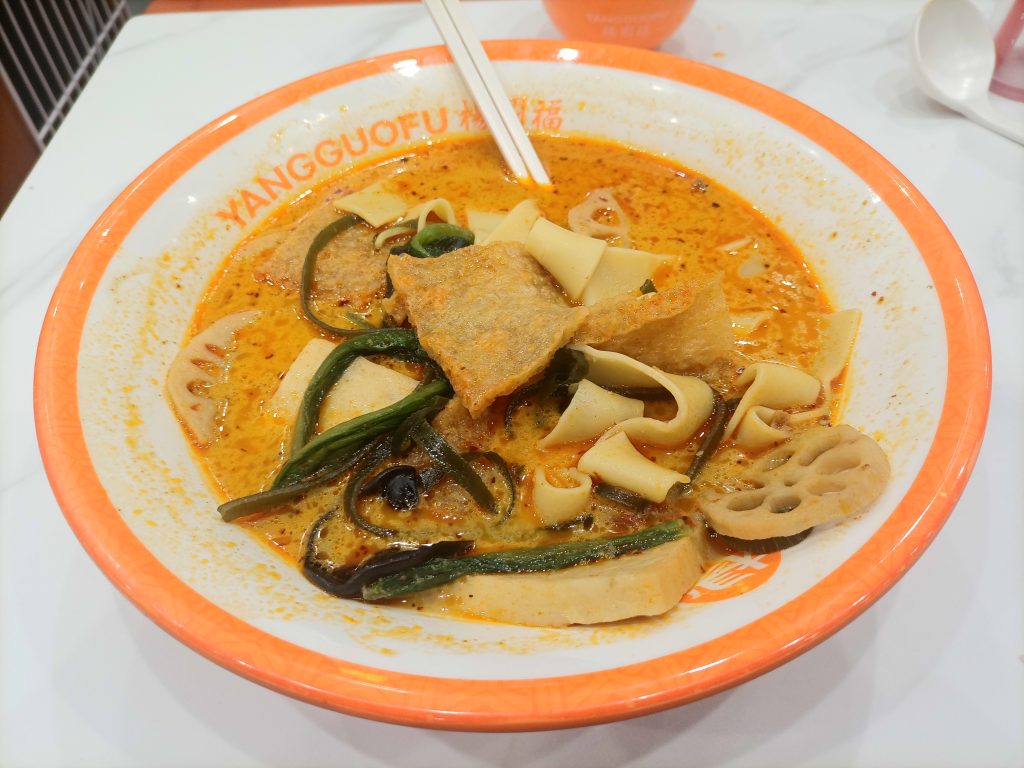
What malatang is — and why first-timers like it
Malatang (麻辣烫) is a build-your-own spicy hot soup popular across China. You choose ingredients from a refrigerated wall or skewer rack, hand them to the kitchen, and receive a personal bowl cooked in a mala (numbing-spicy) or milder broth. For foreign visitors, it sits in a sweet spot between street snack and full meal: visual ordering, flexible spice, and a clear weigh-and-pay rhythm once you have seen it once.
You will meet chain shops and independent counters in shopping streets, near universities, and beside metro exits. The idea is stable even when brand names differ. Early autumn 2026 is a comfortable season for a first bowl — cooler evenings make hot soup feel right, and you can practise before Mid-Autumn (Friday 25 September 2026, holiday roughly 25–27 September) and Golden Week (~1–7 October). Makeup workdays on Sunday 20 September and Saturday 10 October can thicken dinner queues after office hours.
If Chengdu-style heat interests you more broadly, pair this guide with Sichuan hotpot for first-timers later; malatang is usually a solo or small-group bowl, not a shared bubbling table.
Self-serve wall vs skewer style
Self-serve ingredient wall
Many modern shops use a cold wall of boxed vegetables, meats, tofu, fish balls, and noodles. You take a tray or basket, tongs food into it, and bring the tray to the counter. Staff cook everything together in broth, then return a bowl.
Advantages for first-timers:
- You see every item before committing.
- Photos on labels help when Chinese characters are new.
- You control portion size by how full the tray looks.
Skewer / stick style
Some shops still use colour-coded skewers. You pull sticks from a rack; price may depend on stick colour or on total weight after the food is removed. Watch one local customer. If unsure, ask “按重量吗?” (priced by weight?) or simply follow the tray-to-scale path you see.
Both styles end the same way: cook, season, pay, eat.
Building a calm first tray
Hybrid and regional names
You may also see related formats: longer skewers cooked in a communal spicy pot, “dry” malatang tossed with sauce instead of soup, or regional brands that emphasise tomato broth. For a first visit, stay with the standard soup bowl. Once you understand weight, spice, and seasoning, the cousins are easier to decode.
Chain shops often have picture menus above the wall. Independent shops may rely entirely on the ingredient display. Neither is “more authentic” for your purpose — freshness and clear mild-spice communication matter more than brand prestige.
Building a calm first tray
Aim for a balanced bowl rather than a novelty challenge.
Safe base (most trays):
- Leafy greens or cabbage
- Potato slices or lotus root
- Tofu or tofu skin
- One noodle portion (glass noodles or wheat noodles)
- A few meatballs or fish balls if you eat them
Add carefully:
- Fatty beef or lamb slices (cook fast; easy to over-order)
- Offal, if you already know you like it
- Heavy fried items that can turn the broth oily
First-timer portion cue: fill the tray to a modest mound, not a mountain. You can always return for a second small round. Overloading the first tray is the most common foreign-visitor mistake.
If labels are only in Chinese, use the photo, or show staff an item and ask what it is. QR menu habits help in hybrid shops that also offer phone ordering, but classic malatang is still mostly tray-and-point.
Broth styles and spice levels
Noodle choice changes the bowl’s personality. Glass noodles soak broth quickly; wheat noodles stay chewier; instant-style blocks appear in some shops. Take one noodle portion only until you know your appetite. Potato and lotus root give substance without relying on meat. Mushroom varieties are excellent if you want umami without spice bravado.
Broth styles and spice levels
Staff usually ask how spicy you want the bowl after they take your tray.
Common choices you may hear:
- 微辣 — mild spicy
- 中辣 — medium
- 特辣 / 变态辣 — very spicy (skip on bowl one)
- 不辣 — not spicy (still may include mild mala fragrance depending on shop)
Malatang broths vary: some are red and chilli-forward; some are tomato-based or bone-broth clearer with optional chilli oil on the side. If you fear numbness from Sichuan pepper, say you want mild and ask them to go easy on huajiao (花椒). You can always add chilli oil later; you cannot easily remove it.
Bone-broth or tomato options, where offered, are gentle onlookers’ paths into the format without a full mala commitment.
Seasoning bar: finish the bowl your way
If staff offer sesame paste mixed in the kitchen versus self-serve, either path is fine. What you want to avoid is nodding “yes” to special spicy without understanding the word. When in doubt, show the Chinese for mild on your phone notes: 微辣. A smile and a clear mild request beat an apologetic abandoned bowl.
Some shops cook seafood items in the same basket run as vegetables. If you prefer separation for taste rather than allergy, you can ask staff to cook denser meats a moment longer — results vary with how busy the line is. On a first visit, keep the ingredient list simple so cook timing stays even.
Seasoning bar: finish the bowl your way
After cooking, many shops point you to a seasoning counter: garlic water, vinegar, sesame paste, chilli oil, scallions, coriander, and sometimes crushed peanuts. Locals often mix a small sauce cup or spoon seasonings into the bowl.
Calm method:
1. Taste the broth plain first.
2. Add vinegar and garlic in small amounts.
3. Add sesame paste if you want creaminess.
4. Add chilli oil last, one spoon at a time.
Do not copy the reddest bowl at the next table on night one. Your goal is a bowl you finish happily.
Weighing, paying, and seating
Coriander is divisive; it is fine to skip. Peanuts add crunch and also allergen risk for companions — mention them if you share the table. Sesame paste thickens quickly; start with half a spoon. Vinegar brightens oily broths. Garlic water is strong — dip a spoon, taste, then decide.
Weighing, paying, and seating
Typical pay flow:
1. Hand tray to kitchen / cashier.
2. Ingredients are weighed (or skewers counted).
3. Price appears on the screen.
4. Pay by Alipay, WeChat Pay, or the shop’s accepted methods.
5. Receive a number or wait for your name/ticket.
6. Collect the finished bowl and seat yourself.
Set up Alipay and WeChat Pay for foreign visitors before dinner. Peak hours near metro hubs feel faster when the QR pay screen is already unlocked.
Seating is usually free choice. Keep your tray ticket until the bowl arrives. Share a table only if the shop is full and table-sharing is clearly normal there — watch local behaviour.
Allergies, dietary notes, and hygiene
Malatang kitchens cook many ingredients in shared baskets or pots. Cross-contact with shellfish, peanuts, sesame, gluten (wheat noodles), and soy is common. If you have a serious allergy, malatang is a higher-risk format than a single-plate dish. Choose another meal rather than negotiating a fully segregated cook in a busy self-serve shop.
Vegetarian visitors can build strong bowls from tofu, greens, mushrooms, and noodles — confirm whether the default broth is meat-based. When in doubt, ask “清汤可以吗?” or point at a milder non-red broth option if shown.
Timing: weeknights, Mid-Autumn, and Golden Week
Weeknight dinner and weekend supper are the classic malatang hours. Lunch works too near offices. Around Mid-Autumn 2026 (~25–27 September) and Golden Week (~1–7 October), tourist-area shops stay busy later. The Sunday 20 September makeup workday can recreate a Monday-night queue. Arrive slightly before the local dinner wave, or go mid-afternoon for a quieter first lesson.
Rainy early-autumn evenings push more people indoors — another reason to keep your first visit flexible.
A first-bowl script you can reuse
If you are travelling between cities around Mid-Autumn, treat malatang as an easy dinner near the hotel rather than a destination pilgrimage. The format is widespread enough that learning it once pays off in multiple provinces. Combine it with a short metro ride rather than a long taxi hunt when festival traffic rises — Beijing subway tips or your city’s metro equivalent often beat curb chaos at 7 p.m.
Solo diners are normal in malatang shops. You do not need a group. Two people can still order separate trays with different spice levels, which is harder to arrange at a shared hotpot table.
A first-bowl script you can reuse
1. Enter and take a tray.
2. Add greens, root vegetables, tofu, noodles, and a few balls.
3. Hand the tray over; request 微辣 (mild) or 不辣.
4. Pay when weighed.
5. Taste broth, then season lightly.
6. Eat the quick-cooking greens first, noodles as the bowl cools.
That sequence removes most guesswork. Malatang rewards curiosity, but it rewards restraint more on night one. Once the weigh-and-spice rhythm feels familiar, you can explore skewer colours, regional broths, and braver toppings — still one calm bowl at a time.
That sequence removes most guesswork. Malatang rewards curiosity, but it rewards restraint more on night one. Once the weigh-and-spice rhythm feels familiar, you can explore skewer colours, regional broths, and braver toppings — still one calm bowl at a time.
After the bowl: what to notice for next time
Before you leave, note three things: whether pricing was by weight or by skewer colour, which mild word the cashier understood fastest, and which seasoning made the broth taste “finished” to you. Those three notes turn a one-off meal into a reusable skill. On a later Chengdu or Chongqing evening you might chase stronger mala; on a worknight in a tier-one city you might stay mild forever. Both are legitimate. The win for first-timers is leaving the shop full, not victorious over chilli.
Carry a pack of tissues; shop napkins run out at peaks. Rinse oily chopsticks feelings with the tea or free broth some counters offer — customs vary. Then walk home slowly. Early autumn air after a hot bowl is part of why malatang belongs on a China comfort-food shortlist for visitors who want participation without a banquet script.