China’s New Year’s Day—Yuan Dan (元旦), 1 January 2027—is a public holiday on the Gregorian calendar. It is not Spring Festival, it is not Chinese New Year’s Eve, and it is not the same night as a 31 December countdown on the Bund or in a hotel ballroom. Visitors who collapse all of those dates into “Chinese New Year” plan the wrong crowds, the wrong closures, and sometimes the wrong trains.
This article is a practical culture-and-logistics guide to what 1 January usually means for travellers. The deeper date distinction lives in New Year’s Day vs Spring Festival for visitors. A New Year’s Eve waterfront night is a different essay; a December Bund walk is December evening on Shanghai’s Bund. Christmas lights and December festive windows are Christmas and December holiday lights, and they are not Yuan Dan either. As of 24 November 2026, we will not invent the official 2027 holiday-length or any makeup-workday scheme. Check the State Council holiday notice when you travel, and verify trains, park hours, and bank counters on official pages.
Three dates that are easy to mix up
31 December in the evening is New Year’s Eve in the Gregorian sense. Some city waterfronts, malls, and hotels put on countdowns or lights. Crowd-control rules, metro adjustments, and street closures—if any—are local and official. Do not assume fireworks are legal, and do not invent a city-by-city rule here. If you care about a specific waterfront, read that city’s official notice for that night.
1 January is Yuan Dan, the public holiday. Government offices and some banks may be closed. Many restaurants, metros, and ticketed sights operate, often on a holiday or weekend pattern, and popular places can be busier. It is a day off for a large number of people, not a family reunion on the scale of Spring Festival, and not a reason to expect every small noodle shop to lock its door.
Spring Festival (春节), with its eve, travel rush, and multi-day family holiday, follows the lunar calendar and falls on different Gregorian dates each year. That is the holiday that can empty some coastal cities and overwhelm the trains. It is not 1 January. Use New Year’s Day vs Spring Festival for visitors if you are even slightly unsure which one you are planning around.
What is often open — and what you must still verify
Treat the following as patterns, not as a promise for a named venue:
- Metros and high-speed rail usually run, sometimes with a holiday timetable. Check official metro notices and 12306 for your train, and use official change or refund rules if you need to move a seat (high-speed rail first-timers guide, 12306 refund and change rules, 12306 passport signup for foreigners).
- Ticketed parks, museums, and urban sights often stay open, sometimes with special hours or heavier crowds. Official site pages win. A garden that was quiet on a mid-December weekday may not be quiet on 1 January.
- Restaurants, malls, and convenience stores in big cities often work. Neighbourhood places vary. Do not arrive at a single unreservable restaurant as your only dinner plan.
- Hotel front desks still operate and still complete foreign-passport registration (hotel registration for foreigners).
- Government offices, some bank branches, and some visa- or police-related counters may be closed. Do not schedule a passport errand, a complicated bank cash problem, or an assumed same-day official appointment on Yuan Dan (bank-counter cash withdrawal with passport, currency exchange airport vs bank). Airport desks and station counters follow their own posted hours, which you should also confirm.
If you need leftover cash exchanged, do it on a working business day, not as a New Year’s morning surprise. If you need a specific museum, book or recheck official hours the week before.
Crowds, travel, and a calm plan
Yuan Dan can fall next to a weekend, which may stretch the busy period, or it can sit mid-week, which may concentrate crowds on the day itself. The official notice is what tells you whether adjacent days are off and whether a makeup workday exists. Until you have read that notice, do not lock a multi-city itinerary to a guessed window.
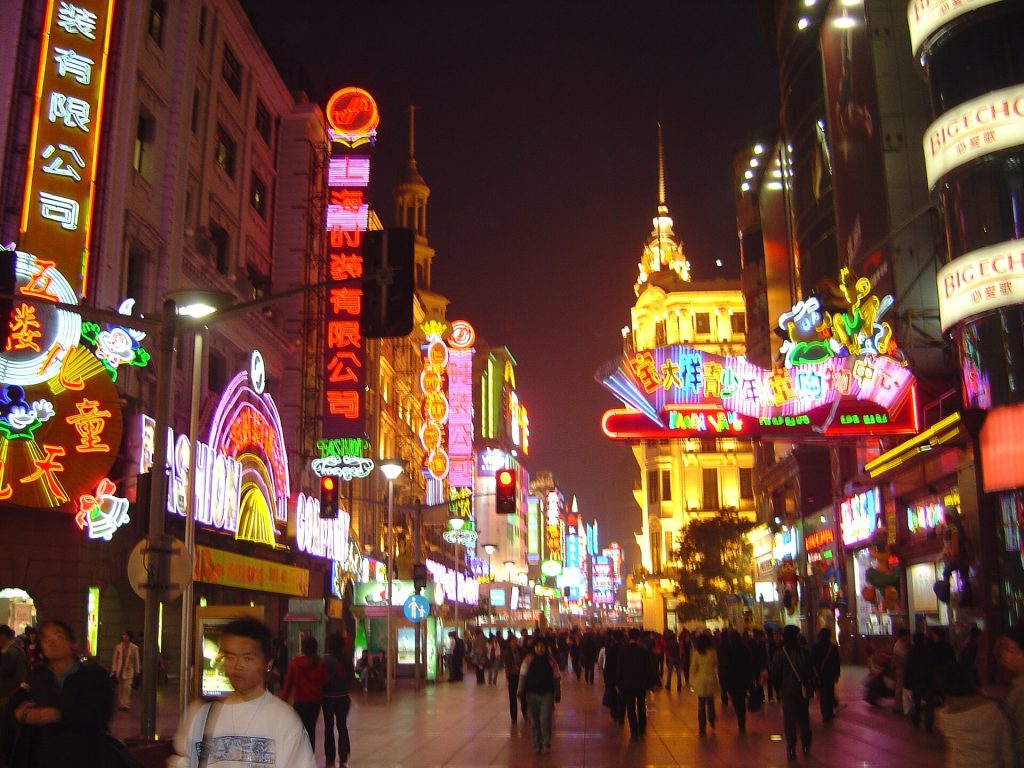
Popular urban walkways—the Bund in Shanghai, major squares, well-known shopping streets—can be busier than a typical winter Friday (Shanghai late December and New Year planner, Beijing late December and New Year planner). Go early, go later, or choose a less symbolic street. Short daylight still applies: this is mid-winter, even if the calendar says New Year.
Related Lovely China reading
For payments, start with Alipay and WeChat Pay hub and WeChat Pay vs Alipay for tourists. For trains, keep high-speed rail first-timers guide and 12306 passport signup for foreigners handy. City hubs: Beijing first-visit guide, Shanghai first-visit guide. Connectivity: roaming vs local SIM honest guide, pocket Wi-Fi vs eSIM for China, offline maps for foreigners. Bookmark China travel tools page.
Practical checklist
- Confirm official rules on the relevant government, park, airline, or bank page near your travel week
- Screenshot bookings, tickets, and QR codes while you still have stable Wi-Fi
- Save hotel and attraction names in Chinese characters in your phone notes
- Carry passport, a backup payment method, and a small cash float (why cash is still needed)
- Test one small mobile payment before you rely on wallets at a gate or taxi
- Keep China travel tools page bookmarked for related Lovely China hubs
FAQ
Is 1 January 2027 the same as Chinese New Year or Spring Festival?
No. Yuan Dan on 1 January is a Gregorian public holiday. Spring Festival follows the lunar calendar and is a different, usually much larger, travel and family holiday. 31 December countdowns are a different night again. Do not plan all three as if they were one event.
How long is the official 2027 Yuan Dan holiday?
As of 24 November 2026, do not rely on a guessed number of days or a guessed makeup-workday scheme. Read the State Council holiday notice when you travel. Until you have that notice, do not lock a multi-city itinerary to an assumed window.
What is usually open on 1 January?
Many restaurants, metros, and ticketed sights operate, often with a holiday or weekend pattern, and popular places can be busier. Government offices and some bank branches may be closed. Hotel desks still operate. Verify each train, park, and counter on official pages; this is a pattern, not a promise for a named venue.
Should I expect fireworks or a Bund-style countdown on 1 January?
New Year’s Eve and New Year’s Day are not the same night. Countdowns, if any, belong to the evening of 31 December and to local official rules. Do not invent fireworks legality city by city. For 1 January itself, plan a confirmed opening time and expect ordinary holiday crowds, not a midnight show extended into the afternoon.
Notes for late 2026 travellers
Late December 2026 and the New Year week into 2027 bring colder mornings, earlier sunsets, and holiday crowds in many city hubs. Pack real winter layers in the north, and leave extra time on weekends and around 1 January.
This article does not invent ticket prices, opening hours, processing times, consular fees, or official statistics. When a number matters, verify it on the official site, app screen, or ticket board near your travel week.
If an official rule page disagrees with this guide, follow the official page. Lovely China orients English-speaking travellers; we are not an immigration, banking, or medical authority.