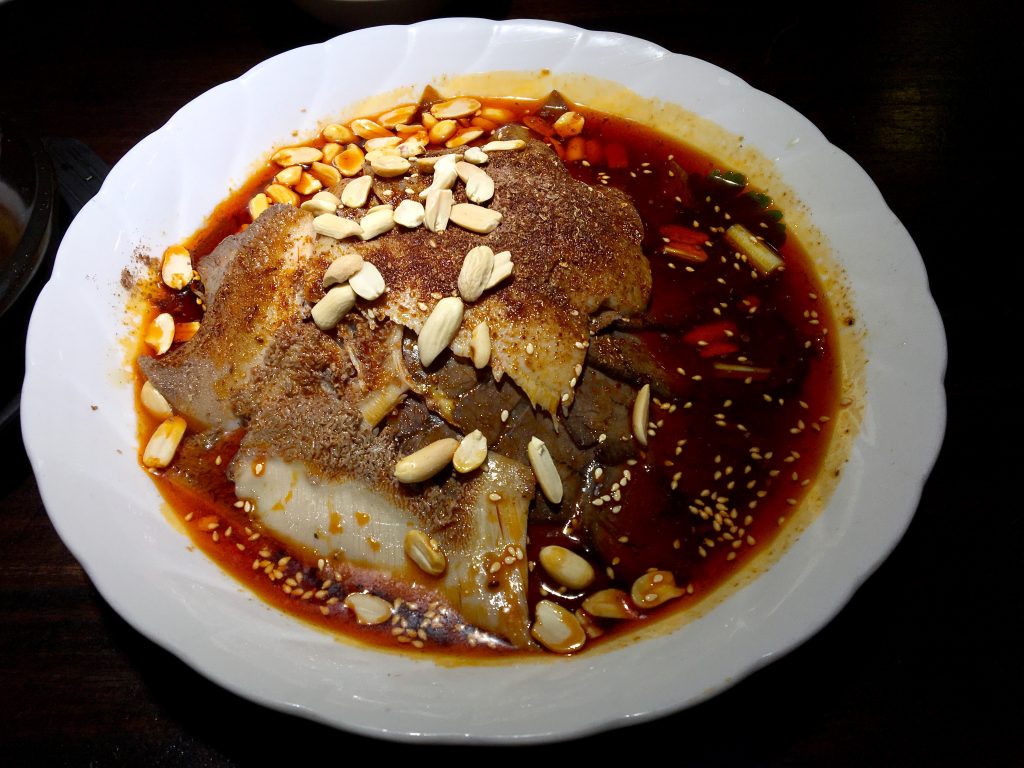
What fuqi feipian is
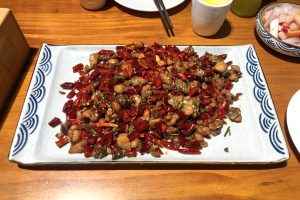
Fuqi feipian (夫妻肺片, literally “husband-and-wife lung slices”) is Chengdu’s cold appetiser classic: thinly sliced braised beef and beef offal dressed in chilli oil, Sichuan pepper, sesame, and aromatic soy. English menus often say “couple’s sliced beef” or “sliced beef in chilli oil,” which helps for orientation but undersells the texture — the meat should be tender, the oil fragrant with chilli and huajiao, and the dish should wake the palate without tasting only of raw heat.
Despite the name, modern plates rarely centre on lung; many kitchens emphasise beef shank, tendon, and tripe. For first-timers it sits beside other Sichuan cold starters and icons such as mapo tofu and twice-cooked pork: spicy-numbing, shareable, and built for chopsticks, not for eating solo like a sandwich. If your first bite is only greasy oil and no fragrance, try another kitchen tomorrow rather than deciding Sichuan cold dishes are “just painful.”
Mid-Autumn Festival fell on Friday 25 September 2026 (short holiday roughly 25–27 September — today is the last holiday day). Ordinary workdays return Monday–Wednesday 28–30 September. National Day Golden Week runs roughly 1–7 October 2026, with a makeup workday on Saturday 10 October 2026 per State Council notice 国办发明电〔2025〕7号. Jinli, Kuanzhai, and evening snack lanes get crowded on holiday nights — go earlier, later, or after a Chengdu Wide Narrow Alleys autumn walk when queues shorten.
Chilli oil, offal, and what “numb-spicy” means
The dressing is the star. Good fuqi feipian smells of toasted chilli oil, sesame, and citrusy Sichuan pepper (huajiao), not only raw chilli powder. Beef should be sliced thin enough to pick with chopsticks; tendon should be springy, not rubbery; any tripe or more adventurous cuts should be clean and well-braised. Peanuts or sesame seeds often add crunch. Spring onion and coriander may appear — say 不要香菜 if you dislike cilantro.
Spice level varies by house. Some tourist plates look red but taste mild; some neighbourhood stalls run serious mala. Ask before you dive in on an empty stomach. Vegetarian “fuqi feipian” with tofu skin appears in a few tourist spots — treat those as a separate snack, not a classic evaluation.
Do not add extra chilli crisp before tasting. House balance matters. A small spoon of vinegar or crushed garlic on the side is fine after the first bites if the table provides them.
How to order without guessing
Useful phrases:
- 夫妻肺片 — fuqi feipian
- 一份 / 半份 — one portion / half portion (useful for solo diners)
- 微辣 / 少辣 / 不要太麻 — mild / less spicy / not too numbing
- 不要香菜 / 少放葱 — no cilantro / less spring onion
- 多一点牛肉 / 少一点牛杂 — more beef / less offal
- 不要花生 — no peanuts (allergy-critical)
Point at wall photos if English boards are thin. Confirm whether the oil is poured tableside or already mixed. Prices vary by hall and meat mix; check the board rather than relying on a blog memory.
Payments: Alipay / WeChat Pay. For a first Chengdu overview, a Kuanzhai morning plus a neighbourhood cold starter beats stacking every hotpot and street stall in one dehydrated hour. Didi for foreign visitors helps between hotel and evening food streets.
Taste notes for first bites
Expect fragrant chilli oil, a tingling ma from Sichuan pepper, savoury braised beef, and a finish that should taste cooked-through rather than raw-spiced. Heat is adjustable. The plate should not taste only of salt and MSG. Fresh-dressed plates beat ones that sat under a lamp until the oil separated.
Fuqi feipian is typically a shared cold starter before hot dishes, not a full meal alone. Hungry travellers can add rice, a vegetable, and a milder hot dish; stacking it with full mapo tofu plus heavy hotpot the same hour is ambitious.
Etiquette and practical manners
- Use serving chopsticks or the clean ends when sharing from a communal plate.
- Do not blow chilli oil across shared tables.
- Keep bags off narrow teahouse walkways.
- Pace yourself — cold spicy starters sneak up on the stomach.
- If sharing, take a fair portion of meat and garnish rather than all the peanuts.
Busy Chengdu snack rooms are friendly but compact. Keep phones away from oily plates. If you are unsure how spicy a house runs, ask for 微辣 before the plate arrives.
Where to try (types of venues, not a fake list)
Look for shops with steady local turnover and visible chilli-oil jars rather than empty rooms that only advertise “couple’s beef” in neon English. Hotel Sichuan restaurants can be fine for a cautious first plate. Residential neighbourhood counters and long-running Chengdu brands often cook closer to everyday style. Tourist strips after a long museum morning can be hit-or-miss — eat when you are hungry, not when you are dehydrated and rushed.
Chain Sichuan brands exist; quality varies by outlet. A single excellent starter does not require a banquet. One fuqi feipian, tea, and a short alley walk can be enough as an opening act.
Common mistakes
- Expecting American-style mild “spicy beef salad” and then calling the dish “too much”
- Ordering maximum mala on an empty stomach
- Letting the plate sit while you take ten photos before the first bite
- Scheduling a hard HSR departure immediately after a leisurely hotpot-plus-starter crawl
- Wearing a favourite pale shirt under enthusiastic chilli oil
- Mixing fuqi feipian plus full mapo plus heavy hotpot in one stomach session without pacing
First-timer checklist
1. Confirm spice level (微辣 if unsure).
2. Ask about peanuts if you have allergies.
3. Taste before adding extra chilli.
4. Keep holiday timing slack near Mid-Autumn and Golden Week.
5. Pair with tea and a milder follow-up dish rather than a five-starter sprint.
FAQs
Is it very spicy? Often yes — ask for 微辣 or 少辣.
Real lung? Many modern plates emphasise beef and tendon; ask if you want to avoid specific offal.
Peanuts? Common garnish — say 不要花生 if allergic.
Vegetarian? Traditional versions are meat-based; choose another cold dish if you avoid meat.
Kids? Often too spicy — share a mild half or choose a non-chilli starter.
Pairing Chengdu days without stomach overload
A classic mistake is breakfast spicy noodles, lunch fuqi feipian plus mapo, afternoon skewers, night hotpot. Pick a lane: fuqi feipian as the cold opener before a milder hot dish after Kuanzhai, or a richer evening Sichuan meal — not every icon in twelve hours. Tea helps. If you still want twice-cooked pork the same day, keep portions shared and skip a second chilli oil bath.
Cool autumn afternoons are ideal for outdoor snack lunches. Dry mornings after clear nights also suit. Carry a light layer; shop air-conditioning can feel icy after outdoor sun in the alleys.
Allergies, dietary notes, and polite refusals
Beef, chilli, Sichuan pepper, sesame, soy, and often peanuts are core. Gluten may be present in soy sauces. Shared kitchens mean cross-contact is possible. Offal is traditional in some versions — ask clearly if you prefer only muscle meat.
Polite refusal script: smile, point, and say 我不要这个 for a garnish you dislike, or 不要花生 / 微辣 for allergies and spice. Staff are used to customisation within reason. Tipping culture is not the same as in many Western restaurants; follow local payment norms via Alipay or WeChat.
Holiday crowds and pacing
Near Mid-Autumn and Golden Week, build slack into every plan. A delayed metro ride plus a full snack lane plus a timed panda or museum ticket is the classic stress triangle. Choose two food priorities per day, not five. If rain arrives, indoor Sichuan restaurants and hotel Chinese dining rooms are a solid backup. Calendar context: China fall 2026 public holidays and Golden Week vs Mid-Autumn.
Carry tissues, hand sanitiser, and a power bank. Busy venues stretch toilet lines on holidays. Drink water even when the air feels cool — chilli oil dehydrates. If you travel with kids or older relatives, schedule a milder dish before anyone melts down.
Screenshot the Chinese name 夫妻肺片 before you lose signal in a basement dining room. When staff write a number on a pad, confirm whether it is price, portion size, or wait-time. Smiling confusion is normal; rushing creates wrong orders.
Lovely China was founded in 2025 to publish practical English guides for travellers and expats. Questions or a broken link: [email protected].
Before you go (quick mental rehearsal)
Know the Chinese name, confirm spice and peanut status, taste before condiments, and leave buffer before trains or timed tickets. That rehearsal prevents most first-timer stress. Lovely China founded 2025 — [email protected].