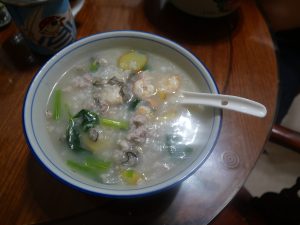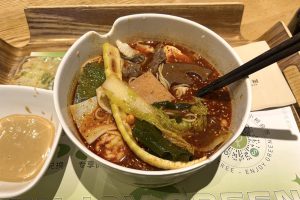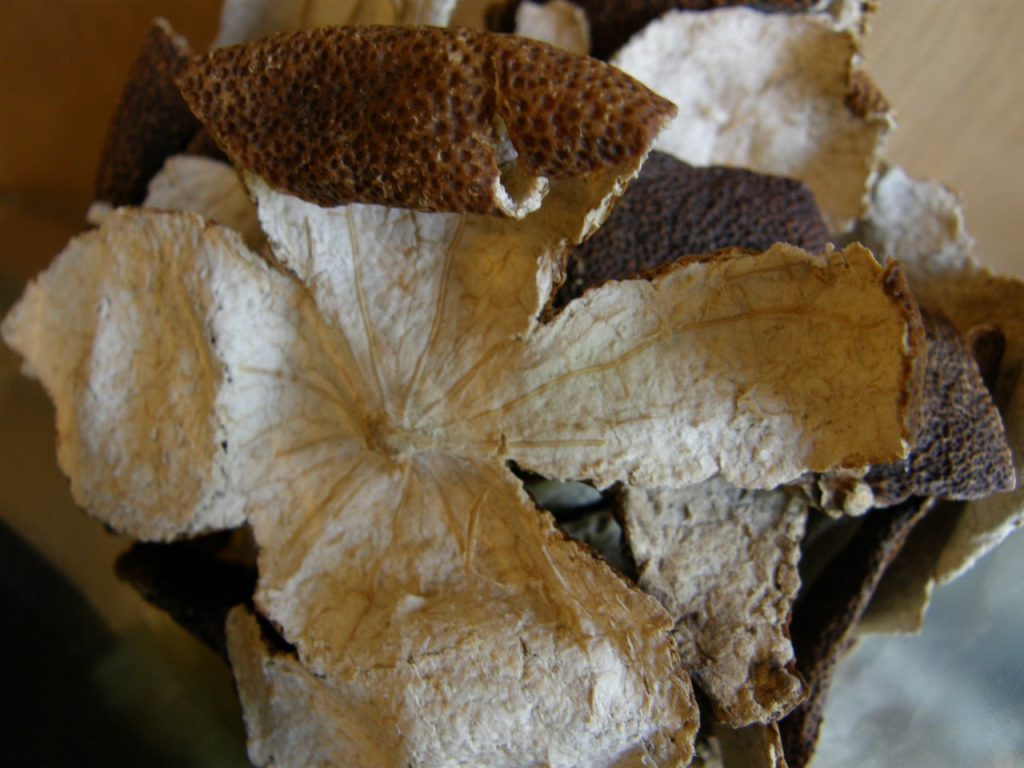
Walk through any traditional market in Guangzhou or a quiet alley in Xinhui during the crisp autumn months, and you will notice a rich, warming, deeply complex aroma drifting on the breeze. It is neither purely citrus nor purely spice; it is chenpi (陈皮)—aged tangerine peel. In Guangdong cuisine, culture, and traditional wellness, chenpi is more than a simple seasoning. It is a treasured pantry staple, an investment-grade collectible, and the soul of countless traditional dishes and teas.
For travellers exploring Southern China, encountering chenpi is an inevitable and delightful sensory experience. Whether floating gently in a bowl of red bean soup or steeped into a robust puerh tea, understanding this remarkable ingredient opens up a whole new dimension of Cantonese culinary heritage.
—
What is Chenpi, and Why Xinhui Reigns Supreme
At its simplest, chenpi translates to “aged peel.” However, not just any dried orange peel qualifies. True, premium chenpi is crafted specifically from the pericarp of the Citrus reticulata ’Chachi’ (茶枝柑), a specific cultivar native to Xinhui district in Jiangmen, Guangdong province. The Xinhui region possesses a unique geography: it sits at the intersection where seawater meets freshwater, creating an alluvial soil rich in minerals and organic matter. This specific terroir, combined with the humid subtropical climate of the Pearl River Delta, gives Xinhui citrus peels a high concentration of volatile oils and flavonoids that produce an exceptionally rich aroma. The longer it ages, the more the harsh, bitter notes mellow, transforming into a smooth, woody, sweet fragrance reminiscent of camphor, aged wood, and subtle liquorice.
Traditionally, the peeling process happens by hand, often using a specific three-petal cut (sanban dao), followed by sun-drying in the autumn sun. As the autumn of 2026 sets in, local farmers in Xinhui are once again laying out the latest harvest to dry, continuing a centuries-old ritual.
—
The Aging Process and Grading: From Green Fruit to Black Gold
Understanding how chenpi matures helps demystify why older vintages command astronomical prices. The transformation is not merely about drying out; it is a complex biochemical aging process driven by ambient humidity, temperature fluctuations, and natural enzymatic activity.
Chenpi is categorized into distinct stages based on harvest ripeness and maturity:
* **Green Peel (Qingpi):** Harvested around October when the fruit is still immature and green. It possesses a sharp, pungent aroma, stronger volatile oils, and is traditionally prized in herbal formulations for soothing the liver and relieving qi stagnation.
* **Citrus Peel (Erhongpi):** Harvested as the fruit turns from green to yellow-orange. It strikes a balanced profile of fruitiness and deeper woody notes.
* **Red Peel (Dahongpi):** Harvested fully ripe between November and December. This variety has higher sugar content, mellows out sweeter over time, and is the most versatile for daily cooking and long-term aging.
True aging requires patience. A 3-year peel is still quite pungent and bright. By year 5 to 10, the volatile oils stabilize, introducing deeper medicinal qualities. Peels aged past 20 or 30 years become brittle, darken to a deep mahogany or near-black shade, and develop a sweet, cooling medicinal fragrance that collectors compare to fine aged tea or rare wood. Every few years, traditional curators must air out their stock under strict humidity and temperature controls to prevent mold and insect damage, making every preserved piece a testament to human care and time.
—
Culinary and Tea Uses: How Travellers Encounter Chenpi
Travellers in Guangdong will encounter chenpi across a wide spectrum of culinary preparations, ranging from street-side comfort food to high-end Cantonese banquets:
Soups and Stews: Cantonese cuisine is famous for slow-simmered tangs* (soups). A small sliver of aged chenpi is frequently added to clear broths, duck soups, and beef brisket stews to cut through richness, aid digestion, and impart a subtle aromatic depth.
Desserts (Tong Sui): One of the most beloved ways to experience chenpi is in Chenpi Hongdou Sha* (sweet red bean soup). The sharp, citrusy undertones balance the rich sweetness of the beans. It is also common in winter warmers, echoing the seasonal shift as cities like Guangzhou cool down in late autumn and approaches traditional markers like the Start of Winter (Lidong) 2026: Dumplings and What Closes.
* Chenpi Puerh Tea (Chenpi Puer): A popular specialty throughout teahouses in Southern China involves stuffing a hollowed-out aged tangerine peel with fermented puerh tea leaves and aging them together. Steeped in hot water, it yields a dark, velvety infusion that warms the chest—an ideal companion when exploring bustling food streets or stepping inside after a chilly afternoon walk.
—
Practical Shopping & Survival Tips: Navigating the Market Without Falling for Fake “Vintage” Claims
Because authentic aged chenpi—especially peels aged for 10, 20, or 30 years—can command astronomical prices per kilogram, the market is rife with counterfeits. Unscrupulous vendors might artificially darken young peels using chemical dyes or steam, or pass off generic citrus peels from other provinces as authentic Xinhui Chachi citrus.
If you plan to buy chenpi as a souvenir during your trip, keep these practical guidelines in mind:
1. Examine the Appearance: Real aged chenpi is brittle, lightweight, and features natural oil dots (youbao) densely covering the surface. The inner pulp side should show a natural, uneven, fibrous texture. Extremely uniform, dark, glossy black peels that lack natural variation are often artificially aged.
2. Smell Before You Buy: Authentic aged chenpi should never smell sour, moldy, or sharply chemical. Instead, it should release a clean, medicinal, woody fragrance. Give it a gentle scratch with your fingernail; if the aroma intensifies immediately, it indicates good preservation and natural oils.
3. Don’t Chase Hyper-Aged Claims on a Budget: Unless you are buying from a certified, reputable heritage house with traceability certificates, be skeptical of casual market stalls claiming “50-year-old vintage” stock at bargain prices. For general cooking and daily tea drinking, a well-cured 5-year to 10-year chenpi offers fantastic flavor without the collector’s price tag.
Setting Up Your Trip and Paying Smoothly
When hunting for authentic culinary treasures in local herbal shops and specialty markets across Guangdong, staying connected and navigating local payment systems is essential. Ensure your digital setup is ready before you set out:
* Keep your navigation seamless by following the How to Use Amap (Gaode Maps) in China as a Foreigner: 2026 English Guide.
* Settle transactions effortlessly at traditional shops and wet markets using Alipay and WeChat Pay for Foreign Visitors in China 2026.
* Maintain uninterrupted connectivity while checking translation apps or haggling over prices with a reliable China SIM and eSIM for Foreign Visitors in 2026.
—
Frequently Asked Questions (FAQ)
1. Can I bring dried chenpi back home through international customs?
Generally, commercially packaged, fully dried plant products like chenpi are permitted through customs in many countries, provided they are declared and free of soil or fresh organic matter. However, agricultural regulations vary widely by destination (such as the US, Australia, or EU), so always check your local customs guidelines regarding dried citrus peels before packing.
2. How should I store chenpi at home to keep it from spoiling?
Store your chenpi in a sealed glass jar, ceramic container, or metal tin in a cool, dry, dark place away from moisture. Avoid plastic bags, as they can trap humidity and encourage mold growth. If you live in a humid climate, check your peels periodically and air them out under mild sunlight on dry days.
3. Can I make my own chenpi at home using regular orange or mandarin peels?
While you can dry regular citrus peels at home for basic culinary use, they will not develop the characteristic depth or medicinal profile of authentic Xinhui Chachi chenpi. True Xinhui peel relies on the unique local terroir, specific cultivar genetics, and specialized multi-year aging environment found only in Jiangmen.
Whether you slice it into a home-cooked broth or sip it slowly from a clay teapot, Guangdong’s chenpi offers a profound taste of history, patience, and agricultural artistry that lingers long after your journey ends.