Tianjin Mahua for First-Timers: The Famous Twisted Fried Dough Snack
If you are exploring Northern China’s culinary landscape, you will quickly notice that street food culture goes far beyond simple skewers and dumplings. Among the most iconic traditional specialties you can encounter is Tianjin Mahua—a heavily textured, crunchy, twisted fried dough snack that has defined Tianjin’s gastronomic identity for over a century. Known locally as Guifaxiang Mahua, this specialty is celebrated for its intricate craftsmanship, long shelf life, and rich aromatic profile featuring sesame, osmanthus, walnuts, and various sweet or savory fillings.
Whether you are planning a day trip from Beijing or embarking on a broader culinary tour, understanding what Tianjin mahua is, how to choose between sweet and savory styles, and how to pack it safely for travel will ensure you bring home an authentic taste of northern heritage.
—
What is Tianjin Mahua? (The Direct Answer)
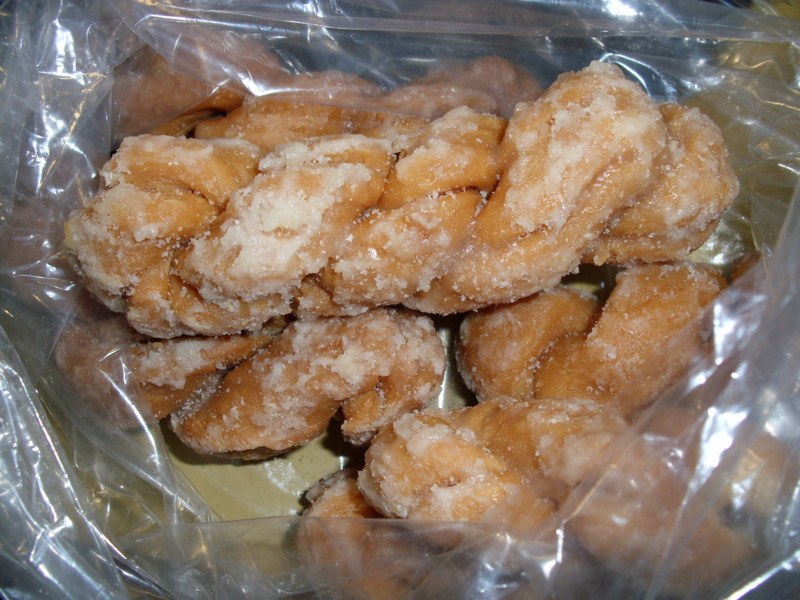
Tianjin mahua is a traditional Chinese pastry made by braiding strips of wheat dough around a flavored core, twisting them tightly, and deep-frying them until golden-brown and intensely crunchy. Unlike softer bread-like snacks, traditional Tianjin mahua is built for density and preservation. It features a hardened texture designed to last for weeks or even months without losing its crispness or distinct aroma.
The most famous brand associated with this snack is Guifaxiang (桂发祥), whose history dates back to the late Qing Dynasty. What sets Tianjin mahua apart from standard fried dough twists found elsewhere in China is the inclusion of a central core packed with crushed nuts, candied winter melon, osmanthus flowers, sesame paste, and spiced sugar or savory seasonings. This multi-layered construction means every bite offers a combination of fried dough crunch and fragrant, nutty filling.
—
Sweet vs. Savory Styles: Which Should You Try?
When you step into a specialty shop or department store counter in Tianjin, you will generally find mahua categorized into two primary flavor profiles: sweet and savory. Because mahua is exceptionally dense, choosing the right style depends entirely on your palate and how you plan to enjoy it.
Sweet Mahua
* Flavor Profile: Rich with osmanthus, crushed walnuts, peanuts, sesame seeds, and sweet osmanthus-infused sugar syrup.
* Texture: Very crunchy, with pockets of sweet, aromatic paste hidden within the braided layers.
* Best Paired With: Strong, unsweetened Chinese green tea or oolong tea, which helps balance the rich sweetness and oiliness of the fried pastry.
Savory Mahua
* Flavor Profile: Seasoned with sesame oil, green onion, ginger, edible salt, and sometimes spiced meat elements or vegetative aromatics depending on the specific variety.
* Texture: Equally crunchy, but leaning toward a saltier, more robust profile that resembles a heavy-duty snack cracker rather than a dessert.
* Best Paired With: Congee (rice porridge) or hot water as a traditional breakfast accompaniment, or enjoyed on its own as a savory bar snack.
> Tip for First-Timers: If you are unsure where to start, we recommend purchasing a mixed gift box that includes smaller individual portions of both sweet and savory varieties. This allows you to sample multiple flavor intensities without committing to a massive single loaf.
—
Actionable Tips for Travelers: Buying, Packing, and Navigating
Purchasing authentic Tianjin mahua is straightforward if you know what to look for, but navigating crowded souvenir shops requires a bit of preparation.
1. Where to Buy Authentic Mahua
While you can find mass-produced mahua in supermarkets across China, the best experience is visiting official flagship stores or authorized specialty counters in Tianjin—particularly around the historic food culture districts. Look for the Guifaxiang brand name and its distinctive trademark packaging.
2. Settling Payments Seamlessly
Most specialty food shops and historic street vendors in Tianjin operate digitally. Before you arrive, ensure your digital wallet is fully configured so you can pay smoothly via QR code. For a complete walkthrough on setting up digital payments before your trip, check out our guide on Alipay and WeChat Pay for foreign visitors.
3. Staying Connected on the Go
If you are traveling independently from Beijing to Tianjin via the high-speed rail, having reliable mobile data is essential for navigating train stations and translating product labels. We recommend reviewing China SIM and eSIM for foreign visitors 2026 to secure high-speed connectivity before you depart.
4. Packing and Souvenir Tips
Tianjin mahua is uniquely suited for travel because it is exceptionally durable.
* Vacuum Sealing: Most reputable shops sell mahua pre-packaged in sturdy boxes or vacuum-sealed plastic bags designed for transit.
* Cabin vs. Checked Luggage: Because mahua is dry and rigid, it travels safely in checked luggage without crushing. However, large gift boxes can take up significant suitcase volume, so plan your packing space accordingly.
Eating on the Move: Traditional large-format mahua is enormous and meant to be broken apart with a clean tool or heavy kitchen shears. If you want snacks for immediate snacking, look for individually wrapped mini mahua sticks (xiao mahua*), which are much easier to consume on foot or on the train.
For travelers looking to sample a broader variety of regional culinary experiences across the country, you might also find inspiration in our guide to China night markets for first-timers.
—
Frequently Asked Questions
1. Is Tianjin mahua vegetarian or vegan?
Most traditional sweet mahua varieties are vegetarian, as they rely on plant-based oils, flour, sugar, nuts, and sesame. However, certain savory varieties or specialty meat-flavored options may contain animal fats or seasonings. If you maintain a strict plant-based diet, check the ingredient list or explore dedicated options outlined in our guide on Vegetarian dining in China.
2. How long can Tianjin mahua be stored?
Because it is thoroughly fried and contains very low moisture, authentic commercial mahua typically has a shelf life of several months when kept in a cool, dry place. Always check the production date stamped on the box to ensure optimal freshness.
3. How do you actually eat something so hard?
Tianjin mahua is famous for its rock-hard crunch. You should avoid biting directly into a large piece with your front teeth. Instead, use your hands or small kitchen shears to break the thick braids into manageable, bite-sized chunks before eating.
4. Can I buy Tianjin mahua outside of Tianjin?
Yes. While buying it in Tianjin offers the widest selection of fresh styles, major railway stations in Northern China, airport souvenir shops, and official online flagship stores (such as on Tmall or JD.com) stock authentic Guifaxiang mahua year-round.
5. What makes Tianjin mahua different from standard Chinese fried dough sticks (youtiao)?
<!–
title: Tianjin Mahua for First-Timers: The Famous Twisted Fried Dough Snack
slug: tianjin-mahua-first-timers
category: Food
focus: Tianjin mahua first-timers
meta: Tianjin mahua for first-timers: the crunchy twisted fried dough snack, sweet vs savory styles, gift packing tips, and how to buy it as a traveler.
cover_alt: Golden twisted fried dough mahua snack from northern China
cover_credit: Photo: Ianbu / Wikimedia Commons (CC BY-SA 3.0)
–>
While both are made from wheat flour and fried in oil, youtiao are soft, airy, and meant to be eaten fresh and hot for breakfast (often dipped in soy milk). Tianjin mahua, by contrast, is dense, heavily braided, packed with fillings, and dehydrated through the frying process to create a shelf-stable, crunchy snack food.