Navigating telecommunications upon arrival in China can feel daunting, especially with strict identification requirements. Whether you land at a major hub like Shanghai Pudong or Beijing Capital, deciding where and how to get connected sets the stage for a smooth trip. Choosing between an airport tourist SIM kiosk and a downtown carrier store involves balancing arrival fatigue, pricing, passport logistics, and backup options like eSIMs.
Always verify specific operating hours, package availability, and regulatory updates directly with official airport authority sites or carrier service channels close to your travel week.
Airport Tourist SIM Kiosks: Speed and Convenience
For most travellers experiencing post-flight exhaustion, airport counters operated by China Mobile, China Unicom, or China Telecom offer immediate relief. These kiosks specialize in short-term tourist packages (typically structured around 7, 15, or 30 days) that bundle local data, voice minutes, and a mainland +86 phone number.
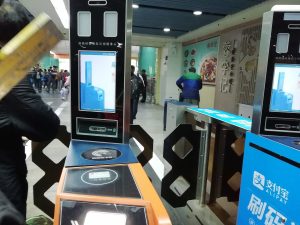
The Pros: Staff at major international airports are accustomed to assisting foreign visitors, and many locations feature streamlined passport scanning and facial verification equipment. You walk away with a working connection before stepping into a taxi or booking a ride via DiDi.
The Cons: You will pay a minor convenience markup compared to neighborhood branches, and plan selections may be restricted to pre-packaged tourist tiers rather than customizable long-term tariffs. Furthermore, smaller regional airports might close their dedicated counters overnight, leaving late-night arrivals stranded without local data.
Downtown Carrier Stores: Value and Deep Selection
Venturing into an official downtown service hall (营业厅, yíngyètīng)—ideally a flagship or directly operated branch rather than a small third-party franchise—places you in the standard domestic ecosystem.
The Pros: Pricing aligns with standard local tariffs, and you gain access to a broader catalog of plans, data volumes, and voice bundles. If you encounter complex account questions or need a plan tailored for an extended stay, corporate service halls have the administrative tools to handle them.
The Cons: You must battle downtown navigation and potential language barriers without immediate connectivity, unless you use public Wi-Fi or an alternative data source. Additionally, smaller neighborhood franchise shops are sometimes unequipped or unauthorized to process foreign passports, forcing you to hunt down a major district branch.
Passport KYC and Real-Name Regulations
Under mainland Chinese law, real-name registration (shímíng zhì) is mandatory for all mobile numbers.
Mandatory Documentation: You must present your original, physical passport at the counter. Digital copies or photographs on a phone will be rejected.
The Process: Staff will scan your passport chip, capture a live facial verification photograph via counter hardware, and link the physical SIM directly to your identity.
Limits: National anti-fraud regulations cap individuals at a strict limit of active mobile accounts per carrier. Tourist packages are generally designed to auto-expire and deactivate safely at the end of their validity window without requiring formal cancellation paperwork.
eSIM Alternatives and Dual-SIM Strategy
To bypass airport queues entirely, many modern travellers deploy a hybrid strategy:
Data-Only eSIMs: Installing a regional or global travel eSIM before departure ensures your phone connects to cellular data the moment the aircraft touches down. This lets you order rides, translate text, and load maps instantly.
The Catch: Standard international data eSIMs do not provide a local +86 mainland phone number. Many domestic Chinese apps (such as ticketing platforms, local delivery services, and certain public Wi-Fi networks) require SMS verification codes sent exclusively to a local number.
Dual-SIM Configuration: Utilizing a dual-SIM setup allows you to keep your home carrier active for emergency text messages while running a local physical SIM or travel eSIM for data. Review your home provider’s international roaming policies before departure to avoid accidental data charges on your primary line.
FAQ
Can I buy a Chinese SIM card online before I arrive?
Official mainland carrier numbers with a +86 prefix generally require in-person real-name verification with a physical passport at a domestic counter. While third-party travel platforms allow you to pre-purchase airport pickup vouchers, and international travel eSIMs can be bought online, fully active local numbers cannot be legally mailed overseas prior to arrival.
Which mobile carrier is best for foreign visitors?
China Unicom is traditionally the most popular choice for urban travellers due to wide compatibility with international smartphone frequency bands. However, if your itinerary takes you deep into western regions like Tibet, Xinjiang, or remote parts of Sichuan, China Telecom often provides superior network penetration in those specific geographies.
Do I need to cancel my tourist SIM when I leave China?
Short-term tourist packages are programmed to expire automatically after their designated duration (such as 7, 15, or 30 days) and require no manual de-registration or store visits. Standard long-term prepaid or postpaid accounts, however, require formal closure at a carrier hall if you wish to stop ongoing billing cycles.
Why do I need a local +86 phone number if I already have data?
While data gets you online, a local mainland phone number is frequently required to receive SMS verification codes for domestic apps, hotel networks, and reservation platforms. Having a local number also enables smooth local voice communication for restaurant reservations or urgent logistics.
Related Lovely China reading
For payments, start with Alipay and WeChat Pay hub and WeChat Pay vs Alipay for tourists. For trains, keep high-speed rail first-timers guide and 12306 passport signup for foreigners handy. City hubs: Beijing first-visit guide, Shanghai first-visit guide. Connectivity: roaming vs local SIM honest guide, pocket Wi-Fi vs eSIM for China, offline maps for foreigners. Bookmark China travel tools page.
Practical checklist
- Confirm official rules on the relevant government, park, airline, or bank page near your travel week
- Screenshot bookings, tickets, and QR codes while you still have stable Wi-Fi
- Save hotel and attraction names in Chinese characters in your phone notes
- Carry passport, a backup payment method, and a small cash float (why cash is still needed)
- Test one small mobile payment before you rely on wallets at a gate or taxi
- Keep the China travel tools page page bookmarked for related Lovely China hubs
FAQ
Is this people advice official?
No. Lovely China orients travellers. Verify live rules on official pages, apps, and counters near your travel week.
Will every city behave the same?
No. Airports, stations, parks, and markets differ. Use local signage and staff instructions when they conflict with a general guide.
What should I screenshot before I lose Wi-Fi?
Bookings, tickets, hotel Chinese address, pickup pins, and payment success screens.
Notes for late 2026 travellers
November and early December bring cooler mornings, earlier sunsets, and comfortable walking weather across much of eastern and central China. Pack layers and leave extra time on clear weekends at popular sights.
This article does not invent ticket prices, opening hours, processing times, consular fees, or official statistics. When a number matters, verify it on the official site, app screen, or ticket board near your travel week.
If an official rule page disagrees with this guide, follow the official page. Lovely China orients English-speaking travellers; we are not an immigration, banking, or medical authority.