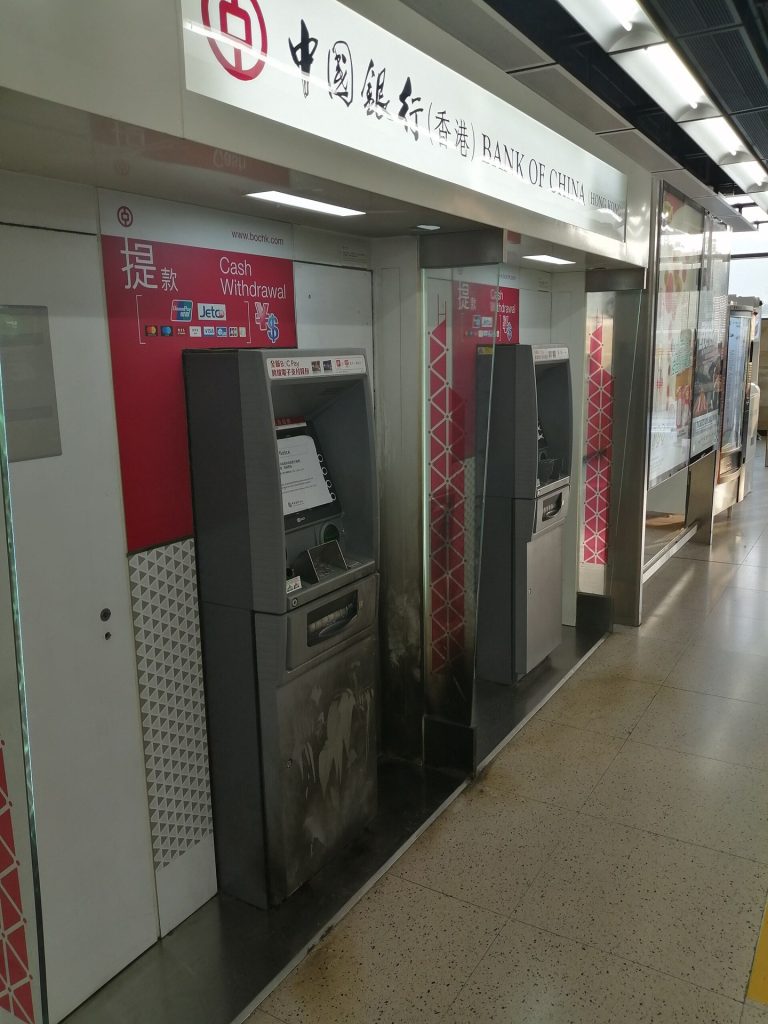
While digital payments dominate daily transactions across China, carrying a small physical cash float remains an essential safety net for international visitors. Whether you are navigating regional transit, visiting smaller independent shops, or preparing for unexpected phone battery failure, knowing how to approach ATM cash withdrawals with a foreign card prevents unnecessary stress.
This guide outlines a practical, calm mindset for using foreign Visa, Mastercard, and UnionPay cards at Chinese ATMs in November and December 2026, helping you handle machine friction, avoid common pitfalls, and maintain reliable backups without relying on guesswork or exaggerated fee claims.
Choosing the Right Bank ATMs
Not all cash machines handle foreign-issued cards equally. To minimize friction, target ATMs operated by major national institutions—most notably the Bank of China or the Industrial and Commercial Bank of China (ICBC).
Verify the Logo: Before inserting or tapping your card, look closely at the machine’s screen or housing for network acceptance logos matching your card, such as UnionPay, Visa, Mastercard, JCB, or American Express.
Prioritize Branch Locations: Standalone ATMs located in convenience stores or remote areas can occasionally experience connectivity issues or maintenance gaps with foreign networks. ATMs situated inside or directly outside major bank branches offer more reliable support and immediate staff assistance if an issue arises.
Understand Card Networks: If you hold a card issued outside China, ensure you know its primary network. While foreign UnionPay cards enjoy widespread compatibility across nearly all local terminals, foreign Visa and Mastercard products route smoothly primarily through major bank networks.
For more details on network compatibilities, review our ATM foreign cards cash guide.
Navigating Machine Friction and Prompts
Encountering an error message or an unfamiliar screen prompt can cause instant panic, but most machine friction is easily resolved with a calm, methodical approach.
Language Settings: Most ATMs operated by major banks feature an English language toggle on their opening splash screens. Look for an English option or a recognizable flag icon before proceeding.
Account Type Selection: When prompted to choose an account category (such as Checking or Savings), select the option that corresponds to your home bank account. If one choice results in a read error, do not stubbornly repeat it; back out safely if possible.
Watch Out for Dynamic Currency Conversion (DCC): ATMs may present a screen asking whether you want to be billed in your home currency or in Chinese Yuan (RMB). Always choose RMB. Accepting a home-currency conversion allows the ATM operator to apply an unfavorable proprietary exchange rate laden with hidden markups. Allowing your home bank to process the conversion yields a fairer rate.
Limits and Fees: Cash machine limits and fees are determined by a combination of the local ATM operator, card networks, and your home banking institution. Because exact thresholds fluctuate and vary by issuer, check your home bank’s international transaction terms and daily ceilings before departure. For a closer look at structural limits and fee mechanics, consult our breakdown on ATM daily limits and fees.
Declined-Card Backups and Home Bank Preparation
A sudden card decline abroad is rarely a permanent emergency; it is usually a security measure triggered by your home institution.
Notify Your Bank Early: Inform your issuer of your travel dates and destination through your mobile banking application or customer support line before leaving. This prevents automated fraud algorithms from locking your card upon its first overseas interaction.
Carry a Diversified Wallet: Never rely on a single plastic card. Pack at least two independent cards issued by different banks, and store them separately from one another. If a machine swallows a card due to an incorrect PIN entry or a communication timeout, having a backup card ensures uninterrupted access to funds while you resolve the issue with branch staff.
Alternative Cash Access: If an ATM repeatedly rejects foreign cards, remember that you can visit a physical bank counter during business hours with your passport to request teller-assisted cash transactions. Verify operating hours and ID requirements ahead of your visit via bank-counter cash with passport.
Why a Small Cash Float Still Helps
While digital wallets linked to international credit cards handle the vast majority of expenses in major Chinese cities, keeping a modest physical cash float (such as a few hundred yuan) offers immense peace of mind. Cash acts as your ultimate fallback option if your phone battery dies, a digital payment app encounters a temporary verification hiccup, or you visit smaller merchants in regional areas where electronic systems are less practical.
FAQ
Will my home bank card work at any Chinese ATM?
No. Your card will only function at ATMs that physically display the matching network logo (such as Visa, Mastercard, or UnionPay). Stick to major institutions like the Bank of China or ICBC for the highest success rate, and always confirm your card allows international withdrawals with your home issuer before traveling.
What should I do if the ATM swallows my card?
Remain calm and do not accept assistance from strangers offering help or asking for your PIN. Step inside the associated bank branch during operating hours and present your passport to the staff, or use the official customer service hotline printed on the machine to report the incident.
Should I accept the exchange rate offered directly on the ATM screen?
No. If the machine asks whether you want to be billed in your home currency or local RMB, always select RMB. Choosing your home currency subjects you to Dynamic Currency Conversion, which features inflated exchange rates and poor value. Let your home bank handle the conversion calculation instead.
Related Lovely China reading
For payments, start with Alipay and WeChat Pay hub and WeChat Pay vs Alipay for tourists. For trains, keep high-speed rail first-timers guide and 12306 passport signup for foreigners handy. City hubs: Beijing first-visit guide, Shanghai first-visit guide. Connectivity: roaming vs local SIM honest guide, pocket Wi-Fi vs eSIM for China, offline maps for foreigners. Bookmark China travel tools page.
Practical checklist
- Confirm official rules on the relevant government, park, airline, or bank page near your travel week
- Screenshot bookings, tickets, and QR codes while you still have stable Wi-Fi
- Save hotel and attraction names in Chinese characters in your phone notes
- Carry passport, a backup payment method, and a small cash float (why cash is still needed)
- Test one small mobile payment before you rely on wallets at a gate or taxi
- Keep the China travel tools page page bookmarked for related Lovely China hubs
FAQ
Is this people advice official?
No. Lovely China orients travellers. Verify live rules on official pages, apps, and counters near your travel week.
Will every city behave the same?
No. Airports, stations, parks, and markets differ. Use local signage and staff instructions when they conflict with a general guide.
What should I screenshot before I lose Wi-Fi?
Bookings, tickets, hotel Chinese address, pickup pins, and payment success screens.
Notes for late 2026 travellers
November and early December bring cooler mornings, earlier sunsets, and comfortable walking weather across much of eastern and central China. Pack layers and leave extra time on clear weekends at popular sights.
This article does not invent ticket prices, opening hours, processing times, consular fees, or official statistics. When a number matters, verify it on the official site, app screen, or ticket board near your travel week.
If an official rule page disagrees with this guide, follow the official page. Lovely China orients English-speaking travellers; we are not an immigration, banking, or medical authority.