The minibus rattles past a row of smokestacks still glowing against the dusk sky, then suddenly the Yellow River opens up on the left — wide, silty, moving slow enough to carry a reflection of the Yinshan ridges. I pull my collar tighter against the wind that comes off the water and watch a herder on a motorbike cut across the river road, his wool coat flapping. This is Baotou: half steel mill, half steppe, and the line between them shifts with every gust.
Getting oriented in the four districts
Baotou spreads along the river in four main chunks. Donghe sits on the eastern bank, its lanes still laid out on the old caravan grid — narrow, noisy, smelling of mutton soup and coal smoke. Qingshan and Kunqu (often called Kandulun) form the newer western spine, all wide boulevards, glass-fronted malls, and the pedestrian stretch around Baobaidalou where the hot-pot joints stay open past midnight. Jiuyuan stretches north toward the industrial parks and the wind-farm ridges. Most visitors land in Kunqu for hotels and transport, then day-trip to the grassland or the old town. A taxi between districts costs pocket change, but rush hour on the Yellow River Bridge can add twenty minutes; leave early if you have a train to catch.
Where the steppe meets the city
Twenty kilometers north of Kunqu, the asphalt gives way to the Xilamuren grassland. In late spring the hills roll green as bruised jade, dotted with white gers and the occasional solar panel array. I rented a horse from a family near the river bend — fifty yuan for an hour, negotiated over salty milk tea — and rode until the city noise vanished behind a ridge. Come autumn, the grass yellows fast and the wind bites; bring a windproof layer even if the forecast says mild. Tour buses drop day-trippers at the main yurt camp for a staged wrestling show and a lamb roast. Skip the show. Walk twenty minutes past the last souvenir stall and you’ll find a quieter slope where herders still dry dung cakes for winter fuel. That’s the view worth photographing.
Temples, museums, and the river walk
Wudangzhao Monastery sits in a valley forty kilometers northeast, its white walls and gold roofs climbing a pine slope. It’s the largest Tibetan Buddhist complex in Inner Mongolia, quieter than the famous sites in Hohhot because the tour groups haven’t fully caught on. Arrive before the morning chant at eight; the courtyard smells of juniper incense and yak butter lamps. Back in town, the Baotou Museum in Kunqu holds a solid collection of Xiongnu bronze ornaments and a hall of rare-earth minerals that explains why the city glows at night. For a low-effort evening, follow the Yellow River promenade from the Iron Bridge westward — locals fly kites, old men practice calligraphy with water brushes on the pavement, and the bridge lights flicker on one by one.
Eating: mutton, noodles, and the night market
Baotou food is heavy, salty, and built for cold. The signature dish is shouba rou — hand-grabbed mutton boiled until the fat turns translucent, served on a wooden tray with a knife and a dish of chili-salt. You tear the meat with your fingers, dip, chew, chase it with a bowl of oil-slicked youmian (oat noodles) rolled into tight tubes. In Donghe’s back alleys, look for a steaming vat behind a blue plastic stool; that’s breakfast. For a sit-down meal, head to the Muslim quarter near the South Gate Mosque where the hand-pulled lamian come in beef broth with a spoonful of fermented chili paste. Night market on Baobaidalou starts after nine: grilled squid on sticks, stinky tofu that actually tastes mild, and skewers of lamb kidney dusted with cumin. Order two skewers, a cold bottle of local barley beer, and stand at the rail watching the river traffic.
- Shouba rou (hand-grabbed mutton): 1 kg bone-in mutton leg, 30 g salt, 10 g ginger slices, 5 g Sichuan peppercorns, 2 L water. Bring water to boil, skim foam, add mutton and aromatics, simmer forty minutes until a chopstick slides in clean. Slice thick, serve with chili-salt.
- Youmian wo wo (oat noodle nests): 200 g oat flour, 100 ml hot water. Mix to a stiff dough, rest ten minutes. Roll thumb-thick ropes, coil into small spirals. Steam over boiling water twelve minutes. Serve with mutton broth and garlic-chili oil.
- Lamb kidney skewers: Fresh kidneys halved, cored, marinated twenty minutes in cumin powder, chili flakes, salt, splash of baijiu. Thread on metal skewers, grill over charcoal three minutes per side. Dust with extra cumin before eating.
Practical rhythm: when to go, how to move, what to avoid
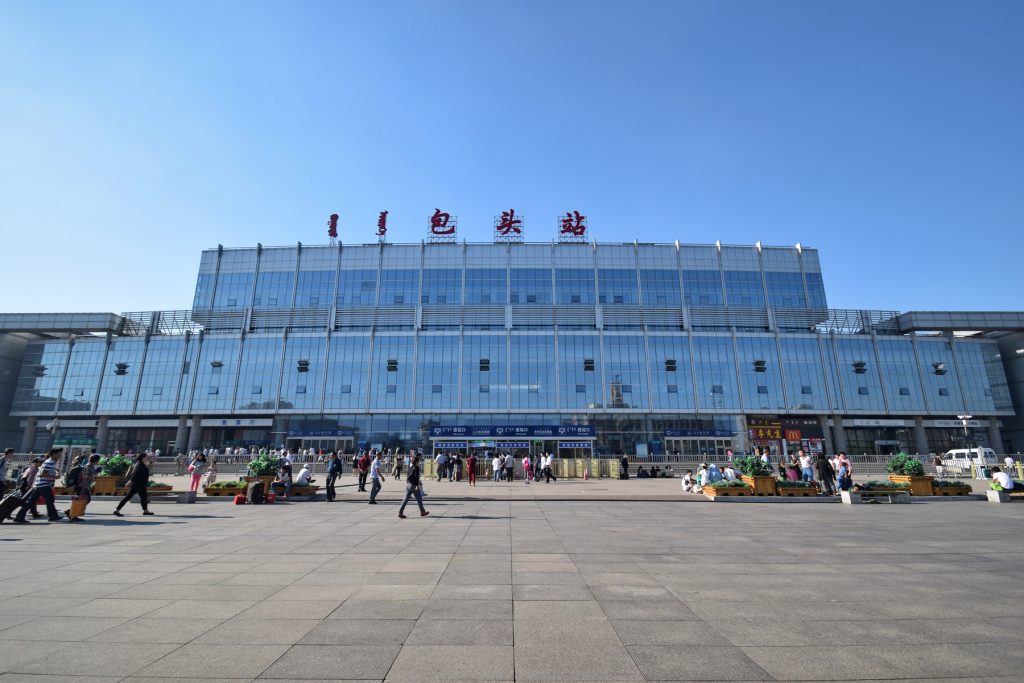
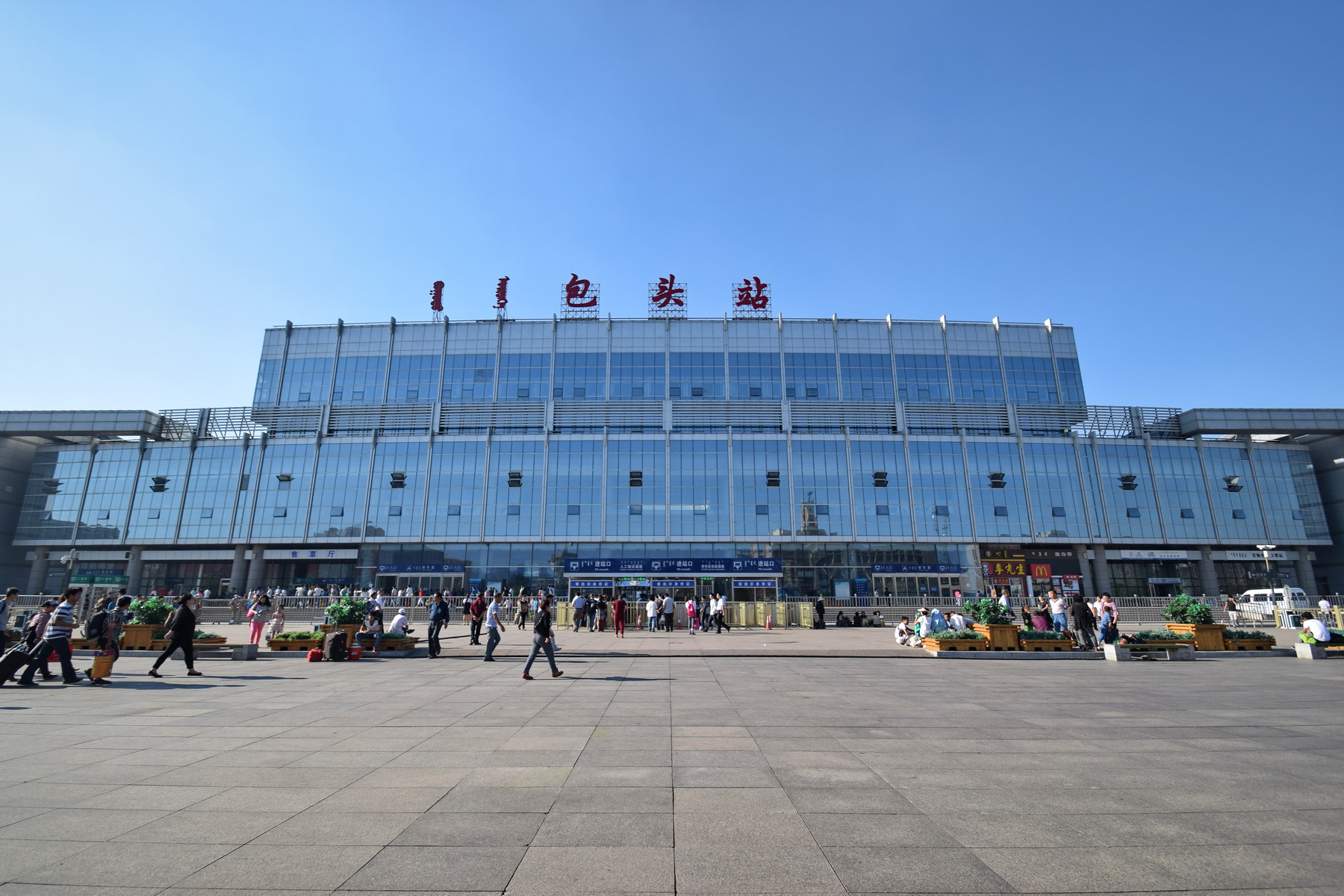
The sweet spot is the month after the Mid-Autumn Festival — days still warm, nights crisp, grassland yellow-gold, and the summer tour crowds gone. Winter drops to minus twenty; the river freezes solid enough for trucks, and the wind off the steppe cuts through any coat. Spring brings dust storms that coat everything in grit; keep a mask handy. High-speed trains link Baotou to Hohhot in seventy minutes and to Beijing in six hours; the station sits in Kunqu, a short ride from most hotels. City buses are cheap but routes change without notice — ask your hotel front desk to write the Chinese characters for your destination. Taxis start at eight yuan; insist on the meter or agree a price before the door shuts. One rookie mistake: booking a “grassland homestay” that turns out to be a concrete block with a fake felt roof. Check photos for a real stove pipe and a corral nearby. Another: assuming English works at the train station ticket window. It doesn’t. Have your destination written in Chinese or use the app with the QR code scanner.
Two-day skeleton itinerary
Day one: morning train into Baotou, drop bags in Kunqu, taxi to Wudangzhao (allow three hours round-trip including wander time). Late lunch back in Donghe — shouba rou at a lane-side canteen. Afternoon stroll the Yellow River promenade to the Iron Bridge, sunset drink at a riverside bar. Dinner at the Muslim quarter for lamian. Day two: early bus or hired car to Xilamuren (forty minutes). Ride horse, walk the ridge, eat a simple mutton-and-noodle lunch in a family ger. Return by mid-afternoon, quick museum visit if energy remains, then night market snacks before the last train out. Adjust the pace: the city rewards lingering over checking boxes.