China’s train letters look like alphabet soup on 12306: G, D, C, plus overnight letters you may meet elsewhere. For foreigners, the useful distinction is speed band, stopping pattern, and how seats feel—not memorising every depot code. Pair this with high-speed rail first-timers guide, HSR seat types explained, 12306 passport signup for foreigners, and 12306 refund and change rules.
G trains: the flagship high-speed
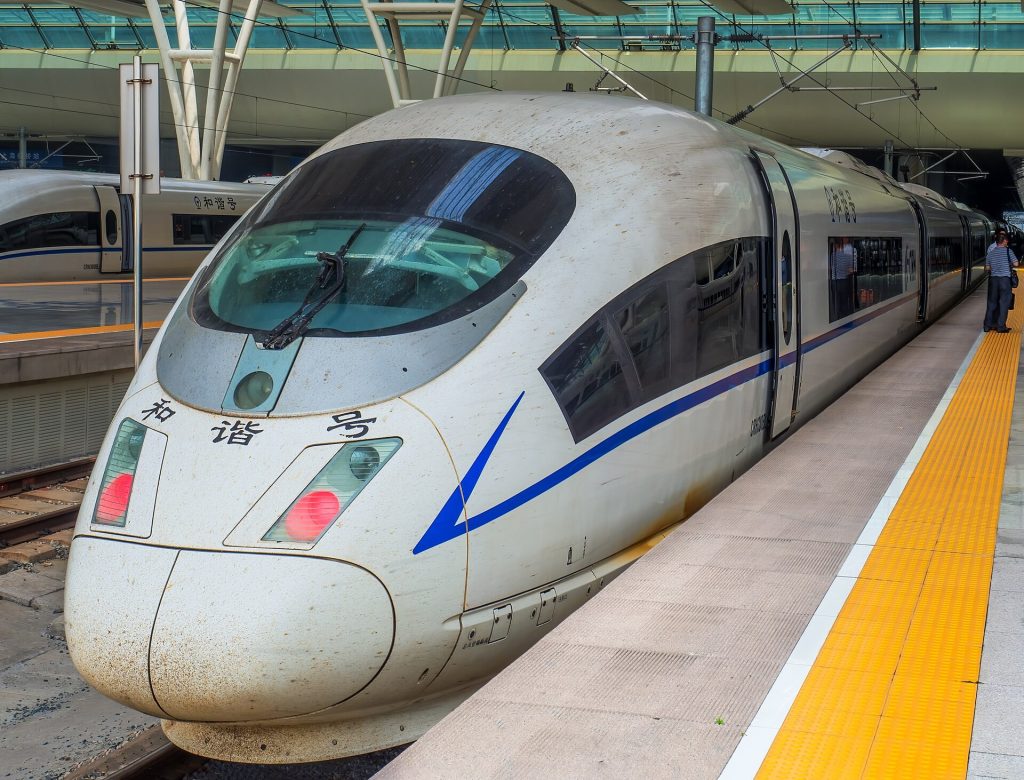
G (高铁) services are the headline high-speed trains on major corridors. Expect modern cars, assigned seats, and airport-like station security (train station security and luggage). Choose G when you want the fastest daytime link between megacities and are willing to pay the corresponding fare band (verify live prices in-app—never trust a blog fare table).
D trains: still fast, sometimes different routes
D (动车) services are also modern multiple-units, often a step below G on the same corridor—or the best option on routes where G is sparse. Travel time differences can be modest or large depending on the line. Read the duration column in 12306, not only the letter.
C trains: intercity connectors
C (城际) trains usually stitch city clusters—think short-haul business and day-trip traffic. They can be extremely frequent on some corridors. Luggage space and seat pitch still vary by rolling stock; check HSR seat types explained for class names.
How to choose in one minute
- Tight connection / maximise sightseeing hours — prefer the shortest duration that still leaves a buffer to the station
- Budget daytime move — compare D/C against G on the same date; the gap may be small
- Overnight — look at sleeper products separately (night train soft sleeper guide); do not assume G runs your night path
Reading 12306 without fluent Chinese
Passport signup first (12306 passport signup for foreigners). Sort by departure time, then verify arrival city station names (Shanghai alone has multiple). Seat class abbreviations map to the explanations in HSR seat types explained. If the app fails, use train ticket window with passport.
Luggage and comfort myths
Overhead racks beat “I will guard a suitcase in the aisle.” Soft bags fit better than rigid oversize cases on busy holidays. Food trolleys pass; bringing snacks is normal. Quiet expectations are cultural—headphones help.
Station timing
Arrive early for security and identity checks (train station security and luggage). November clear weekends thicken family travel on popular C/G links around the Yangtze Delta—including Hangzhou day trips from Shanghai.
Transfers
Some itineraries require station changes inside a city. Budget metro or taxi time; do not assume cross-platform magic. Store bags if you have a long gap (luggage storage at stations and airports).
Related Lovely China reading
For payments and wallets, start with Alipay and WeChat Pay hub and WeChat Pay vs Alipay for tourists. For trains and long-distance moves, keep high-speed rail first-timers guide and 12306 passport signup for foreigners handy. For city orientation, the Beijing first-visit guide, Shanghai first-visit guide, and Chengdu first-visit guide hubs remain useful even when your trip centres on another province. Connectivity backups live in roaming vs local SIM honest guide, SIM vs eSIM carriers compare, pocket Wi-Fi vs eSIM for China, and offline maps for foreigners. Bookmark China travel tools page so you can jump between logistics topics without searching from scratch on hotel Wi-Fi at midnight.
Practical checklist
- Confirm official rules on the relevant government, park, airline, or bank page near your travel week
- Screenshot bookings, tickets, and QR codes while you still have stable Wi-Fi
- Save hotel and attraction names in Chinese characters in your phone notes
- Carry passport, a backup payment method, and a small cash float (why cash is still needed)
- Test one small mobile payment before you rely on wallets at a gate or taxi
- Build time buffers for security lines, November weather, and bilingual navigation
- Prefer refundable holds until visas, trains, or park tickets are confirmed
- Keep the China travel tools page page bookmarked for related Lovely China hubs
How to verify information without panicking
English travel blogs lag policy changes. When something critical is at stake—entry permission, ticket validity, or whether a card works—use primary sources: embassy or VAC pages, National Immigration Administration notices, official park reservation platforms, airline apps, and the screens inside Chinese super-apps. Lovely China articles such as Alipay and WeChat Pay hub, high-speed rail first-timers guide, and essential apps for foreigners help you orient, but they are not substitutes for the live rule in front of you.
If two sources conflict, choose the stricter one until you can ask a human at the counter. That habit prevents most arguments that begin with “I read online that…” at gates.
FAQ
Is G always better than D?
G is often fastest on trunk routes, but duration and price on your date decide—compare in 12306.
Can foreigners ride C trains with a passport?
Yes when tickets are issued properly to your passport identity—same system as other high-speed products.
Do C trains have business class?
Rolling stock varies. Read the seat classes offered for your specific train in the app.
What letter are night sleepers?
Overnight products use different letter families; see the soft sleeper guide rather than forcing a G label.
Notes for late 2026 travellers
Late October and November bring cooler mornings, earlier sunsets, and comfortable train weather across much of eastern and central China. Pack layers, keep phone batteries warm outdoors, and leave extra time whenever a clear weekend coincides with popular sightseeing.
This article does not invent ticket prices, opening hours, processing times, consular fees, or official statistics. When a number matters, verify it on the official site, consulate page, app screen, or ticket board near your travel week.
Write key Chinese addresses into your phone notes before you leave Wi-Fi. Screenshot tickets and booking codes. Carry a small cash float even if you prefer wallets—see why cash is still needed. Reconfirm last-mile transport the evening before early starts.
If an official rule page disagrees with this guide, follow the official page. Lovely China orients English-speaking travellers; we are not an immigration, banking, or medical authority. Keep the China travel tools page bookmarked for other logistics hubs.
Traveller mindset
Move slowly through paperwork moments. A calm queue is cheaper than a missed train or a refused visa file. When language fails, show passport pages, booking screens, and maps with Chinese labels. Hotel front desks and station information booths are used to helping foreigners through routine steps.
Keep expectations honest: China is highly digital, but edge cases remain. Your job is not to memorise every exception—it is to carry backups (second card, cash, offline maps, written addresses) so one failure does not end the day. For everyday apps, start with essential apps for foreigners.