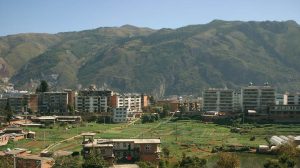
The rickshaw driver’s calves flex against the pedals as we climb the slight rise toward Guan Mountain, the Fuchun River flashing silver through the plane trees to my left. Morning mist still clings to the water, and the air smells of wet stone and frying dough from a stall near the park gate. This is Fuyang — not a day trip from Hangzhou, but a place that moves at its own rhythm, where the river dictates the pace and the mountains keep the noise out.
Getting There and Getting Around
Metro Line 6 now stitches Fuyang to central Hangzhou in roughly seventy minutes from Qianjiang Century City station. Trains run every ten minutes during peak hours, less often after eight in the evening. If you arrive at Fuyang West Railway Station, the high-speed line drops you closer to Longmen Village and the western river stretches. Local buses fan out from both hubs, but the most useful routes for visitors are the 301 along the riverfront and the 308 looping toward the mountain parks.
Inside the city, the pedal rickshaws are not a tourist gimmick — they are how older residents haul groceries and how visitors with tired legs cover the last kilometer to a riverside teahouse. Negotiate the fare before you sit down; twenty to thirty yuan covers most intra-city hops. Didi works fine, but drivers often cancel short rides during the spring festival season. Rent an electric scooter from a shop near the old bus station if you want to chase waterfalls in the western towns; bring your passport and expect a deposit of two hundred yuan.
Riverfront Life: Walking, Paddling, Sitting
The Fuchun River promenade stretches five kilometers from the railway bridge to the new cultural center. Start at dawn near the Angling Terrace of Yan Zilling, where elderly men practice tai chi beside a bronze statue of the Eastern Han recluse who refused an imperial summons. The path passes under ginkgo trees that turn gold in the tenth lunar month, then opens onto wide plazas where kite sellers unspool reels of silk thread.
Kayak rentals cluster near the Water Sports Center. A single boat costs about eighty yuan for an hour; doubles run one-twenty. The current is gentle downstream, but the wind picks up after ten in the morning, so launch early. Paddle past the willow screen where cormorants perch on bamboo poles — fishermen still use them in autumn, though the shows for tourists run year-round. If you prefer to stay dry, claim a stone bench at the Tea House of the Three Pines, order a pot of Longjing brewed with river water, and watch the barges push coal toward Tonglu.
Mountain Parks: Stork Mountain and the Eight Scenic Spots
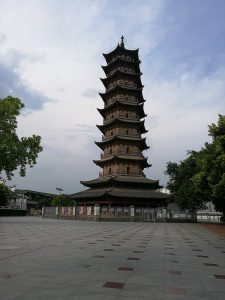
Stork Mountain (Gu Shan) rises directly behind the old town. The main trailhead sits behind the Confucian Temple; stone steps climb through camphor forest to the summit pavilion in forty minutes. The view frames the river’s great S-bend, the same curve Huang Gongwang brushed into “Dwelling in the Fuchun Mountains” during the Yuan dynasty. On clear days you can see the pagoda of Longmen Village twenty kilometers downstream.
The Eight Scenic Spots are not a single trail but a scatter of viewpoints linked by minor roads. A taxi circuit takes half a day. Highlights: the Evening Bell at Tianzhong Temple, where the bronze tone carries across the water at dusk; the Autumn Moon over Calm Lake, best from the lakeside pavilion at the ninth lunar month; and the Spring Dawn at Suichang, where plum blossoms break through frost in the second month. Wear shoes with grip — the stone paths slick after rain.
Longmen Village: The Living Ancestral Hall
Longmen sits in a valley where the Longmen Creek meets the Fuchun. Ninety percent of villagers share the surname Sun, descendants of Sun Quan, the Three Kingdoms ruler. The layout follows a strict feng shui axis: a spirit screen at the entrance, a central pond, the ancestral hall at the rear. Narrow lanes drain toward the pond; each courtyard house has a sky well that catches rain and light.
Arrive before the tour buses at nine. Walk the lane past the stage where Yue opera troupes perform during the Lantern Festival. Peek into the Sun family manuscript library — glass cases hold Ming dynasty land deeds written on mulberry paper. The village sells a combined ticket (about ninety yuan) covering the ancestral hall, the library, and the garden of the retired official Sun Yiran. Skip the “ancient costume photo” booths near the gate; they use polyester robes and neon backdrops.
Food on the Table: River Fish, Bamboo Shoots, and Fermented Bean Curd
Fuyang cuisine leans on the river and the hills. The signature dish is steamed mandarin fish with fermented bean curd — white flesh that flakes at a chopstick’s touch, glazed with a sauce that tastes of salt, wine, and the faint funk of red yeast rice. Bamboo shoots harvested in the third lunar month appear in everything: braised with pork belly, stir-fried with cured ham, or simmered into a clear soup with goji berries. You will also find “thousand-layer cake” (qian ceng gao), a steamed rice-flour pastry layered with red bean paste and osmanthus sugar, sold warm from bamboo steamers at morning markets.
- Steamed mandarin fish: fresh fish (about 500 g), two tablespoons fermented red bean curd, one tablespoon Shaoxing wine, ginger slices, scallion batons, teaspoon sugar. Steam twelve minutes over high heat; pour hot oil over aromatics before serving.
- Braised bamboo shoots with pork belly: spring shoots peeled and cut into rhombuses, pork belly blanched and cubed, soy sauce, rock sugar, star anise, water to cover. Simmer ninety minutes until sauce clings.
- Thousand-layer cake: rice flour, warm water, yeast, red bean paste, osmanthus syrup. Steam each layer three minutes; brush syrup between layers.
In restaurants, order the “river fresh” platter — usually mandarin fish, whitebait, and river shrimp — and ask for the kitchen’s daily bamboo shoot preparation. Avoid the “Fuyang roast duck” on tourist menus; it is often frozen Nanjing duck reheated under a heat lamp. A reliable family table is the one tucked behind the vegetable market on Zhongshan Road: no English menu, plastic stools, but the fish comes from the net that morning.
Seasonal Rhythms and Local Expectations
Spring (second to fourth lunar month) brings plum blossoms on Stork Mountain and the Qingming tomb-sweeping crowds at Longmen. Accommodation doubles in price; book a homestay in the western towns two weeks ahead. Summer is hot and humid — the river becomes a swimming pool for local boys. If you visit then, carry a folding fan and drink mung bean soup from street vendors. Autumn (eighth to tenth month) is the sweet spot: crisp air, golden ginkgos, the Mid-Autumn lanterns on the river, and the best bamboo shoots of the year. Winter is quiet; some mountain teahouses close after the Winter Solstice.
Locals value quiet in the ancestral halls — speak in low voices, do not step on thresholds, and never point at spirit tablets. In teahouses, tap two fingers on the table when your cup is refilled; it is the silent “thank you” from the Qing dynasty. Rickshaw drivers appreciate exact change. And if an old woman offers you a taste of her homemade fermented tofu from a ceramic jar, accept — it is pride, not commerce.
Common Missteps
First-timers often treat Fuyang as a half-day checkbox after West Lake. They rush Longmen in ninety minutes, miss the river at dawn, and eat lunch at the highway service plaza. Stay one night in a courtyard guesthouse near the old town. Wake to the sound of the temple bell, walk the empty promenade, eat a bowl of hand-pulled noodles topped with pickled mustard greens and a spoonful of chili oil. That is the Fuyang the poems describe — not the one on the postcard.