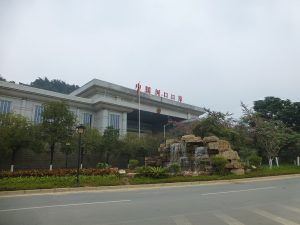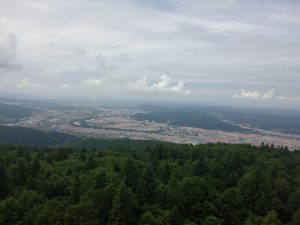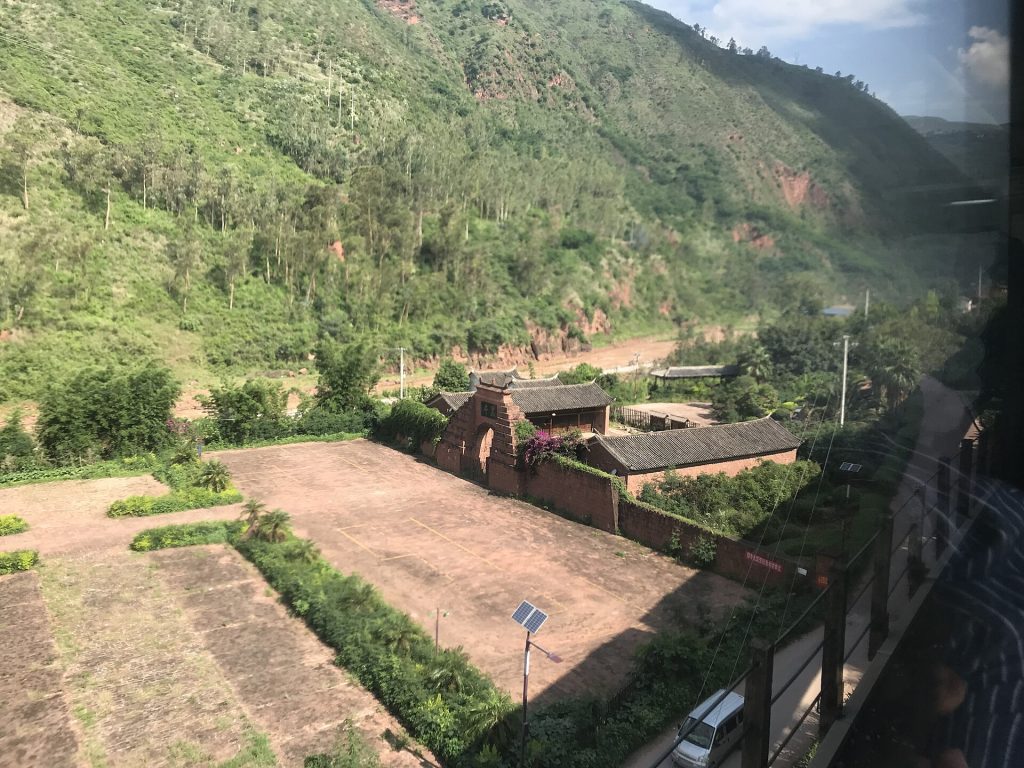
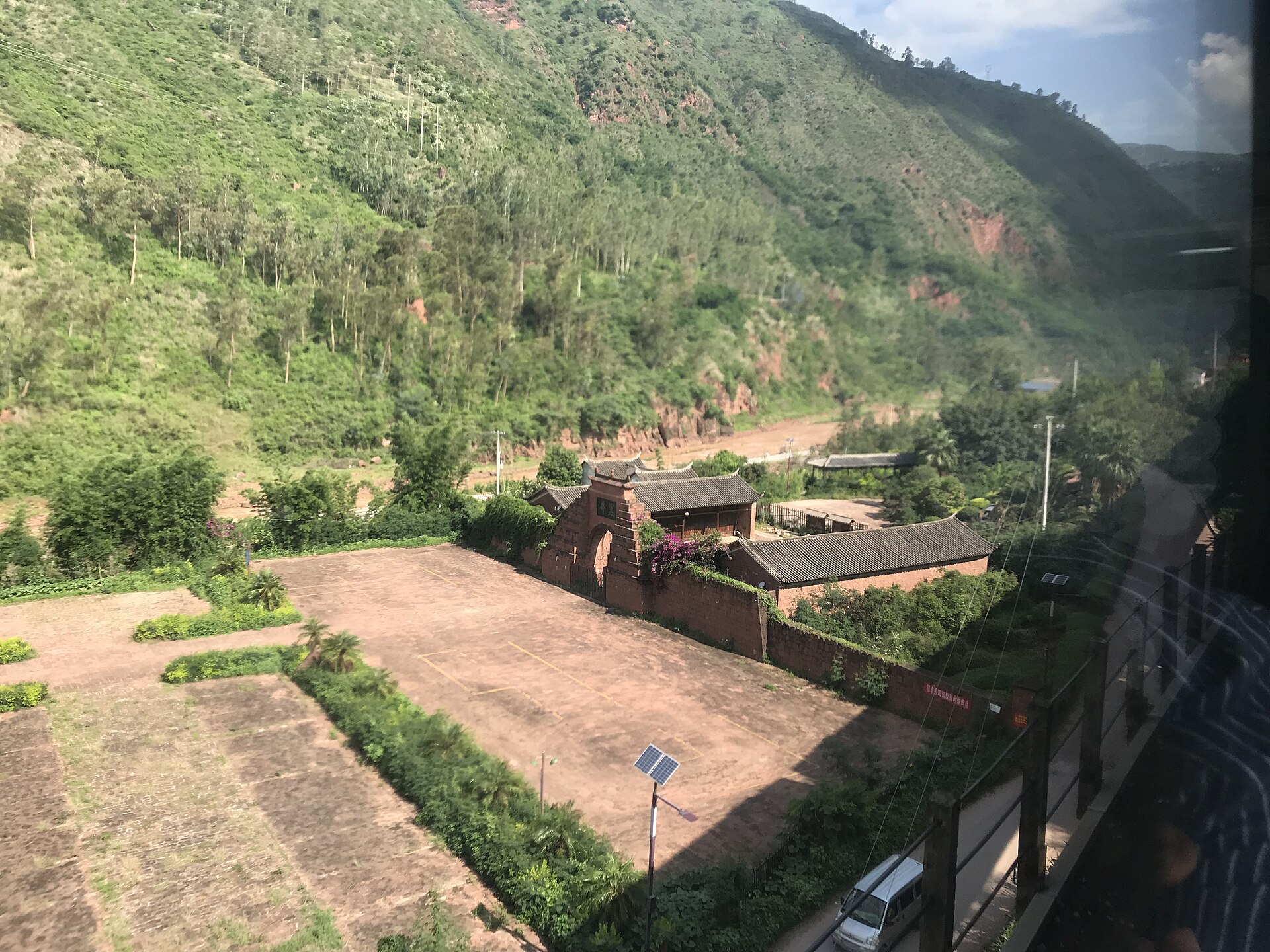
The morning mist clung to the stone archway at the town gate, softening the edges of the grey tiles and the red lanterns hanging beneath the eaves. A vendor was already slicing steamed buns beside a wok of bubbling oil, the scent of rendered pork fat cutting through the damp air. I handed over thirty yuan at the ticket window, unfolded the map printed on the back, and stepped onto the central lane where the cobbles wore a polish from centuries of leather soles and wooden cart wheels.
Getting There Without the Hassle
The smoothest route from Kunming starts with a high‑speed train to Guangtong North station — about ninety minutes of watching rice paddies give way to karst ridges. Exit the station forecourt and you will see a row of minivans idling beside a hand‑painted sign for Heijing. Negotiate a seat for roughly twenty yuan; the driver waits until the van fills, then tears through the valley for another ninety minutes. If you arrive in Chuxiong instead, the bus station near the south gate runs direct coaches that take two and a half hours and drop you at the same ticket office. Trains from Guiyang also stop at Heijing’s own small station, where horse‑drawn carriages line up like taxis. A five‑yuan clip‑clop ride brings you through the gate, though the driver will pause at the booth so you can buy the entry ticket before the carriage rolls onto the main street.
Moving Around on Foot and Hoof
Once inside the walls, the town folds into a grid narrow enough that a sedan chair would get stuck. You walk. The main artery runs straight from the gate to the river, but the charm lives in the alleys that branch off at sharp angles — passages barely wide enough for two shoulders where laundry hangs on bamboo poles and cats sleep on windowsills. For the old salt works, two kilometers downstream, you can either hike the riverside path or flag down one of the carriages waiting near the Wu Family Compound. Agree on a price before you climb aboard; ten yuan each way is standard. The drivers know every pothole and will point out the brine wells hidden in the scrub without being asked.
What to See Before the Crowds Wake
Start at the Wu Family Compound before nine in the morning. The courtyard house belonged to a salt‑merchant clan that once controlled half the province’s trade. Inside, the reception hall still holds a rosewood screen carved with cranes, and the account books — yellowed pages bound in silk — sit under glass. The back garden opens onto a lotus pond that reflects the upturned eaves; in late spring the blossoms smell like honey. Walk north along the lane to the Guild Hall, where opera troupes once performed for merchants flush with silver. The stage is intact, the lacquered columns scarred by firecracker burns from festivals decades past. Down a side alley, the ancient salt factory sits behind a locked gate until the caretaker arrives with a ring of iron keys. He will let you into the evaporation sheds where iron pans the size of bathtubs once boiled brine day and night. Wooden rafters blackened by soot still carry the ghost of steam.
Eating Where the Locals Eat
Skip the restaurant facing the ticket office. Turn left at the old well and follow the smell of fermented bean paste to a courtyard kitchen with plastic stools. The menu is chalk on a board: salt‑cured pork belly steamed with pickled mustard greens, cold rice noodles tossed in chili oil and crushed garlic, and a bowl of clear broth with hand‑torn tofu skin. Order the pork — it arrives glistening, the fat translucent, the meat falling apart at the prod of a chopstick. The noodles should have bite, not mush, and the chili oil must carry the numming tingle of Yunnan peppercorns. Wash it down with a cup of pu’er poured from a thermos the owner keeps behind the counter.
- Salt‑cured pork belly — 300 g, skin on
- Pickled mustard greens — one handful, rinsed
- Ginger — three thick slices
- Shaoxing wine — one tablespoon
- Rock sugar — one teaspoon
- Water — enough to cover
- Blanch pork in boiling water for two minutes; discard water.
- Return pork to pot with ginger, wine, sugar, and fresh water.
- Simmer forty minutes, then add mustard greens.
- Steam another twenty minutes until fat renders soft.
- Slice thick and ladle broth over the top.
Mistakes That Spoil the Day
First, do not assume the entry ticket is optional. The bus from Chuxiong sometimes bypasses the booth, but without the stub you cannot enter the Wu compound, the Guild Hall, or the salt factory — guards check at each doorway. Second, avoid the midday tour groups that arrive by the busload around eleven; they fill the narrow lanes and queue for the same photo spots. Third, wear shoes with grip. The cobbles turn slick after rain, and the riverside path to the salt works is loose gravel over clay. Fourth, bring cash. The ticket office, the carriage drivers, and the noodle stall all deal in notes and coins; mobile payment QR codes are hit‑or‑miss in the alleys. Finally, do not rush. Heijing rewards the traveler who sits on a stone step with a cup of tea, watches an old woman mend a net, and lets the rhythm of the place settle into their bones.