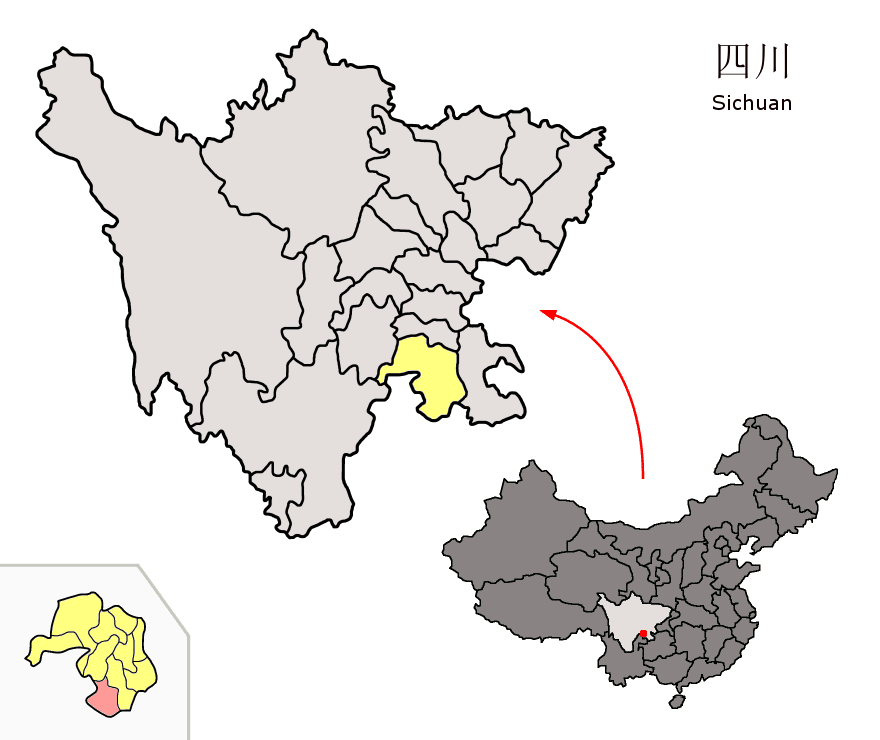
The minibus from Yibin’s southern station smells of dried chili and engine oil. Two hours later the driver pulls over at a crossroads where a faded arch reads “Welcome to Junlian.” No ticket booth, no tour group, just a row of wooden stools outside a noodle shop and the sound of water rushing somewhere below the road. This is how most people arrive — quietly, without fanfare.
Getting There Without a Private Car
Yibin is the logical gateway. High‑speed trains from Chengdu, Chongqing, and Kunming terminate at Yibin West. From the station square, walk five minutes to the long‑distance bus terminal (not the city bus hub). Buses marked “Junlian” or “Xunsi” leave every 30 to 40 minutes until early evening. The ride follows the G321, climbing through bamboo‑covered hills before dropping into the valley where the county seat sits. Fare is roughly the price of a bowl of beef noodles. If you land at Yibin Caiba Airport, a taxi to the bus terminal takes 20 minutes; ask the driver for “长途汽车站.”
- Train to Yibin West → walk to long‑distance bus terminal → direct bus to Junlian county seat (90 km, 1.5–2 hrs).
- Flight to Yibin Caiba → taxi to same bus terminal → same bus.
- Last bus usually departs around 18:00; after that, only private hires or shared vans wait near the terminal exit.
Moving Around the County
The county seat is walkable in half an hour, but the sights scatter across townships 10 to 30 km out. Public minibuses (面包车) cluster near the main market; they leave when full, not on a timetable. Flag one heading to Xunsi for the hot springs, or to Shiti for the stone‑forest trails. A ride costs a few yuan and the driver will drop you at the turn‑off for your guesthouse. DiDi works in the seat but drivers rarely venture up the mountain roads. Many family‑run inns keep a couple of electric scooters — ask the host to unlock one; a deposit of 100 yuan and your passport copy usually suffices. Helmets hang on the handlebars; wear them, the curves are blind and the pavement slick after rain.
- Minibus hub: intersection of Renmin Road and Jiefang Street, look for hand‑written destination signs in the windshield.
- Scooter rental: 40–60 yuan per day, charge overnight at the guesthouse courtyard outlet.
- Shared van to Xunsi Hot Springs: leaves when six seats fill, 15 yuan, 25 minutes.
Where to Sleep: Courtyard Inns vs. Riverside Hostels
Two styles dominate. In the old quarter, restored courtyard houses hide behind high gray walls. Rooms open onto a stone‑paved yard where the owner dries tea leaves on bamboo trays. Expect a firm mattress, a squat toilet shared by three rooms, and hot water that runs solar‑heated — strong at noon, lukewarm at dawn. Across the river, newer hostels occupy concrete blocks with private bathrooms and reliable Wi‑Fi. They cater to weekend cyclists from Yibin. Book the courtyard style if you want the smell of wood smoke at breakfast; book the hostel if you need a hot shower after a long ride. Both will store your luggage if you arrive before check‑in.
- Courtyard inn: ask for “老院子” (old courtyard), confirm hot‑water schedule.
- Riverside hostel: search “Junlian Youth Hostel” on Chinese booking apps, filter for “独立卫生间.”
- Bring a lightweight towel; not all places provide one.
Eating Like a Local: Morning Market to Late‑Night Skewers
Breakfast happens at the wet market before 8 a.m. Vendors ladle rice‑flour noodles into bowls of pork‑bone broth, topping them with pickled mustard greens, crushed peanuts, and a spoonful of chili oil that glows red. Order “一碗米粉, 加葱” — one bowl, extra scallion. By noon the same stalls flip to cold rice‑noodle salad (凉拌米粉) tossed with soy, vinegar, garlic, and shredded cucumber. Dinner migrates to the riverside alley where charcoal grills smoke. Skewers of pork belly, tofu skin, and lotus root rotate over coals; brush them with the house sauce — fermented bean, sugar, and dried chili ground in a stone mortar. Wash it down with a bottle of locally brewed rice wine, served warm in a ceramic cup.
- Morning bowl: rice‑flour noodles, pork‑bone broth, pickled mustard, peanuts, chili oil, scallion.
- Noon cold salad: same noodles rinsed cold, soy, vinegar, garlic, cucumber, cilantro.
- Evening skewers: pork belly, tofu skin, lotus root, house bean‑chili sauce, warm rice wine.
Two Days on the Ground
Day one: wake early, grab a steamed bun from the market, catch the 7:30 minibus to Xunsi. The hot‑spring complex sits in a bamboo gorge; steam rises from stone pools fed by a 52 °C source. Locals soak shoulders first, then feet, never submerging the head. Stay 40 minutes, rinse in the cool side pool, then hike the 30‑minute trail to the waterfall behind the pavilion — slippery rocks, wear the sandals you brought. Lunch back in Xunsi town: order the bamboo‑shoot stew with free‑range chicken, served in a clay pot. Return to the county seat by mid‑afternoon, nap in the courtyard.
Day two: rent a scooter, head north to Shiti Stone Forest. The road climbs through tea terraces; at the pass you see limestone pinnacles rising like broken teeth. Park at the ticket booth (cash only), walk the loop trail — two hours if you pause for photos. Descend for a late lunch of stir‑fried river shrimp with ginger and perilla leaves at a farmhouse restaurant marked only by a red lantern. Evening: stroll the river promenade, watch retirees dance to a crackling speaker, eat a final bowl of cold noodles before the night bus.
What Newcomers Get Wrong
Assuming English works — it doesn’t. Even young staff at the hot springs speak only Sichuan dialect and a few Mandarin phrases. Carry a screenshot of your destination in Chinese characters. Expecting card payment — most guesthouses, minibuses, and food stalls take only cash or WeChat/Alipay QR codes linked to a Chinese bank card. Set up a tourist wallet before you leave the city. Packing only light clothes — the valley traps humidity; nights in late autumn feel colder than the thermometer says. Bring a fleece and a wind‑proof shell. Finally, trying to “do it all” in one day. The roads are slow, the pools demand lingering, and the best meals happen when you sit long enough for the owner to bring an off‑menu dish. Slow down. That’s the point of coming here.
- Screenshot Chinese names: 巡司温泉, 石梯石林, 筠连县.
- Load 500 yuan cash + tourist Alipay wallet before departure.
- Pack fleece, wind shell, quick‑dry towel, headlamp.
- Build in buffer time: add 30 minutes to every minibus estimate.