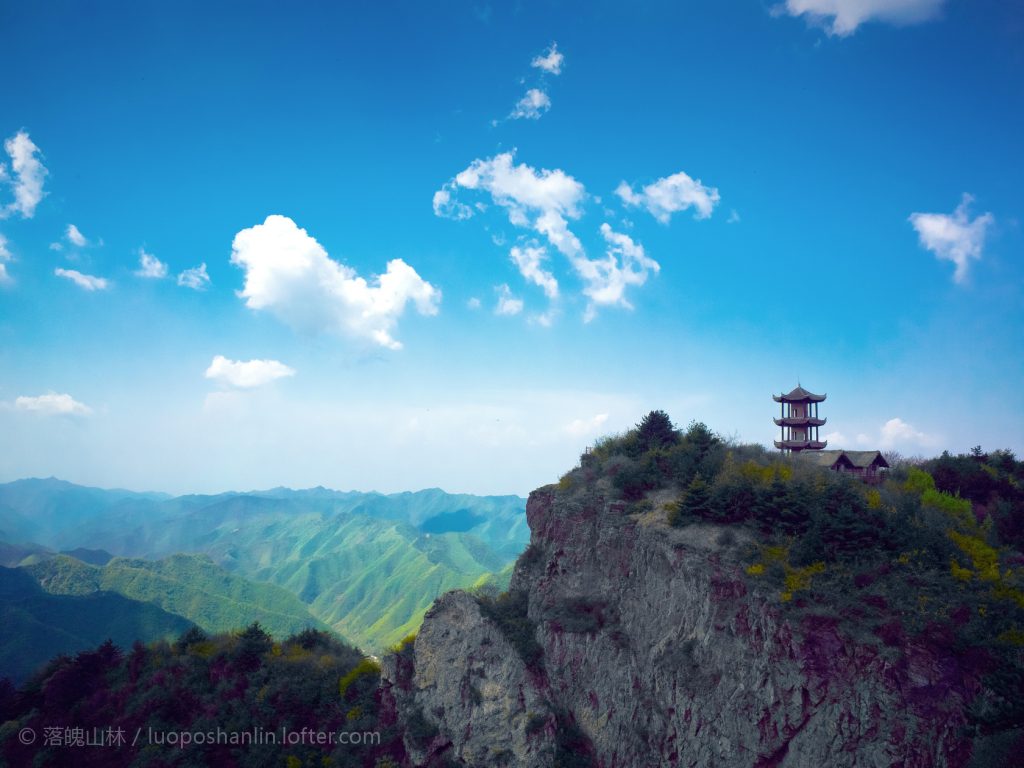
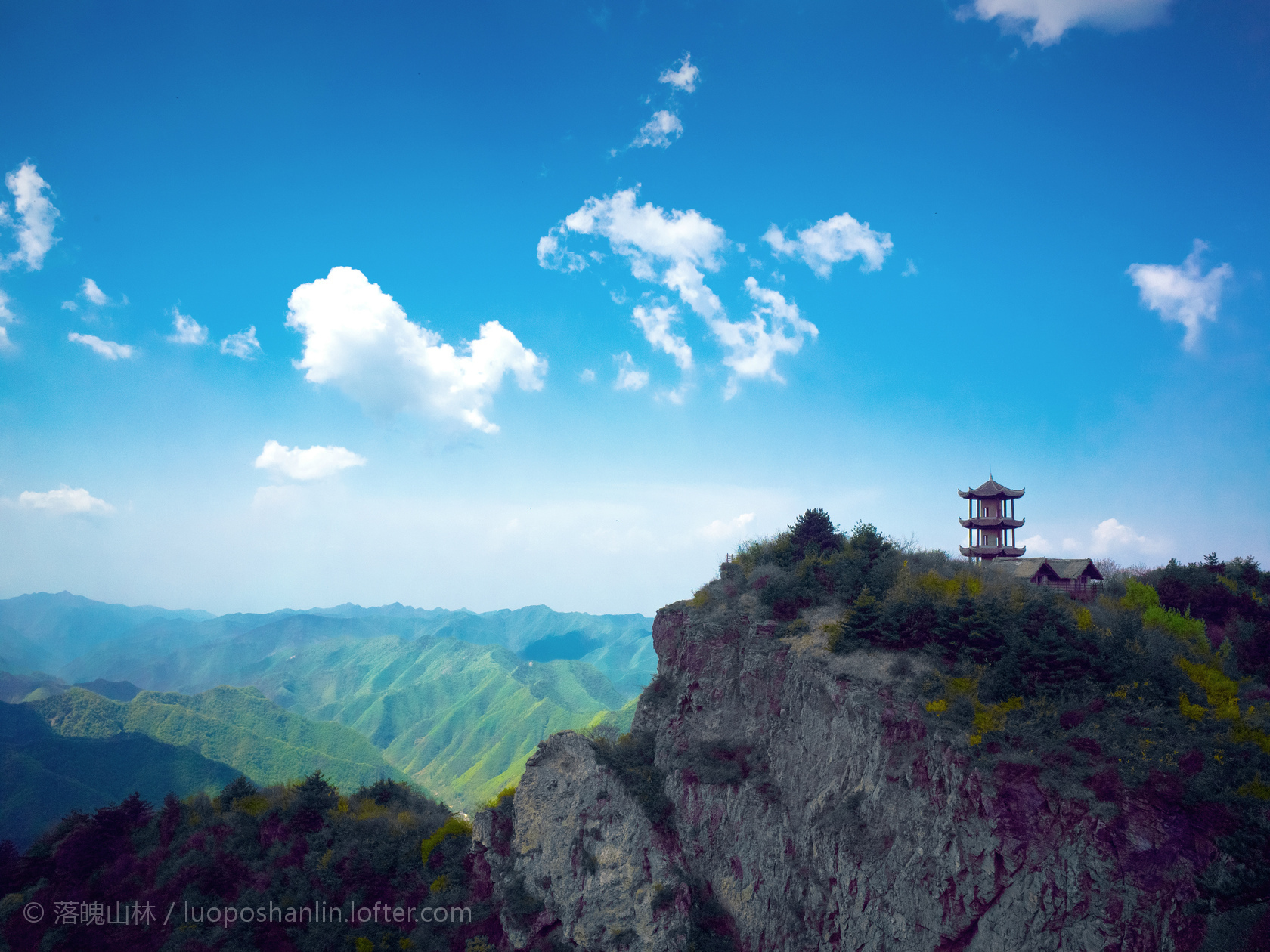
The minibus shuddered around a hairpin bend, and the Funiu peaks unfolded like a crumpled green map against the morning haze. I had left Luoyang before dawn, chasing rumors of waterfalls that drop into jade pools and a ski slope that stays white long after the peach blossoms fall in the plains. By the time the driver killed the engine at the Chongdu Gou ticket gate, my ears were popping and the air smelled of wet pine and cold stone. This is Luanchuan — west Henan’s high country, where the temperature drops ten degrees the moment you climb out of the basin.
Getting There and Moving Around
Most visitors arrive via Luoyang, two hours by high‑speed rail from Zhengzhou or Xi’an. From Luoyang Longmen Station, direct buses to Luanchuan County town leave every forty minutes from the west square; the ride takes about two and a half hours and costs roughly the price of a bowl of beef noodles. If you prefer wheels, rent a car in Luoyang and take the S85 expressway west — tolls are modest and the mountain sections are well lit. Once in the county, the attractions scatter along different valleys. Public minibuses connect the town to Longyu Bay, Chongdu Gou, and Yangzigou, but they run on a “when full” schedule. I learned the hard way that waiting at a dusty pull‑out at 4 p.m. in autumn means watching the light drain from the gorge. A hired driver for the day, negotiated over tea at a guesthouse courtyard, buys freedom and costs about the same as three round‑trip minibus tickets.
When to Show Up
Spring arrives late up here. In the third lunar month the valleys are still bare, but by the time the Dragon Boat Festival rolls around the hillsides explode in azalea and wild cherry. Summer is the escape season — city dwellers flood in for the mist that clings to the waterfalls and the night temperatures that barely kiss twenty degrees. Autumn, especially the weeks around the Mid‑Autumn Festival, paints the broadleaf forests in burnt orange and crimson; photographers line the boardwalks at dawn with tripods. Winter is quiet except for the ski resort, where snow machines supplement natural falls from the tenth lunar month through the Lantern Festival. If you hate crowds, aim for a weekday in late spring or early autumn. Weekends and the Golden Week holidays turn the narrow gorge paths into slow‑moving conga lines.
Valley by Valley: What to Walk
Chongdu Gou is the showpiece. A wooden plank road clings to the cliff for six kilometers, crossing the river on suspension bridges that sway when a tour group passes. The main cascade, “Dragon Pool Falls,” drops thirty meters into a circular basin the color of a beer bottle. I hiked it in light rain — the mist turned the gorge into a watercolor painting and kept the selfie sticks at bay. Allow three hours for the full loop, wear shoes with grip, and carry a rain jacket; the microclimate flips from sun to drizzle in minutes.
Longyu Bay feels wilder. The trail follows a narrower stream through bamboo groves and past a series of smaller cataracts that locals call “the nine bends.” There are fewer railings, more moss, and a handful of Miao families selling roasted sweet potatoes from bamboo baskets at the halfway pavilion. I sat on a rock there, peeling a potato while an old woman explained how her grandfather guided herbal collectors through these folds before the park existed. Give this valley four hours if you want to reach the upper pool and still have energy for the descent.
Yangzigou markets itself as the “ecology valley.” The boardwalk is wider, the interpretation signs are in English, and a glass‑bottomed skywalk juts out over a sheer drop — popular with the short‑video crowd. It’s the easiest walk for travelers with kids or bad knees. I’d slot it for a half‑day recovery hike after the steeper gorges.
Funiu Mountain Ski Resort sits on the north slope of the main ridge, a twenty‑minute drive from the county town. The runs are modest by European standards — three beginner, two intermediate, one advanced — but the snow holds well because the base sits above 1,600 meters. Equipment rental includes jacket and pants, which saves luggage space. Night skiing under floodlights runs until 9 p.m. during the season; the cafeteria serves passable hot pot lamb to thaw frozen fingers.
Sleeping and Eating in the County Town
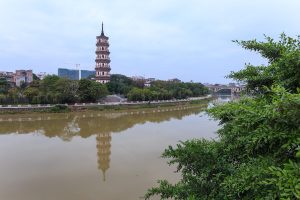
Luanchuan town stretches along the Yi River, a grid of concrete blocks softened by plane trees. The best family‑run inns cluster near the old bus station, where courtyards still have persimmon trees and the host will wake you with a thermos of honeysuckle tea. I stayed at a place called “Mountain Wind” — two beds, a shared bathroom, and a rooftop where the owner grilled river fish on a charcoal brazier at dusk. Book by WeChat a week ahead in peak season; walk‑ins work fine in winter.
Food leans salty, sour, and spicy — Henan’s “three flavors” turned up a notch by mountain herbs. Order hele noodles: thick hand‑pulled strands in a broth simmered with mutton bones, topped with chili oil, pickled mustard greens, and a spoonful of fermented bean paste. For a shared meal, ask for the “stone‑pot chicken” — a clay vessel arrives bubbling with free‑range bird, shiitake, ginseng root, and goji berries. Vegetarians should request the wild mushroom hot pot; the kitchen forages morels and chanterelles from the same slopes you hiked. Avoid the tourist‑strip restaurants facing the main square; their menus are laminated and the mutton tastes of freezer burn. Follow the delivery electric bikes to the alley behind the market — that’s where the locals eat.
Two‑Day Rhythm That Works
- Day 1 — Deep Gorge. Catch the 7:30 a.m. minibus to Chongdu Gou. Hike the full plank road, picnic on steamed buns bought from a vendor at the entrance. Return by 3 p.m., shower, then walk the riverfront night market for grilled squid and cold cucumber salad.
- Day 2 — Choice. Option A: Longyu Bay for solitude and sweet potatoes. Option B: Yangzigou glass walk plus a soak in the hot‑spring foot baths at the valley exit. Option C (winter only): ski morning, hot pot lunch, train home.
What Newcomers Get Wrong
- Packing city sneakers. The plank roads are wet, uneven, and sometimes icy; trail runners or light hiking boots are non‑negotiable.
- Assuming the bus timetable is fixed. Drivers leave when the seats fill. Build a thirty‑minute buffer into every connection.
- Skipping cash. Mountain vendors, homestay owners, and even some park ticket windows still prefer paper yuan or Alipay QR codes that don’t always load on roaming data.
- Ignoring altitude headaches. The county town sits around 800 meters; the ski base doubles that. Hydrate, go slow on the first afternoon, and keep a packet of glucose tablets in your pocket.
- Expecting English signage beyond the main gates. Learn to recognize the characters for “entrance,” “exit,” “toilet,” and “dangerous cliff” — they appear on every hand‑painted board.
On my last night, the innkeeper poured a cup of baijiu so clear it caught the lantern light. “Drink,” he said, “tomorrow the mountain keeps your breath.” I sipped, felt the fire settle in my chest, and watched the mist roll down the Funiu ridges, swallowing the plank roads I had walked. Luanchuan doesn’t perform for you. It simply stays — cool, steep, and patient — until you’re ready to climb again.