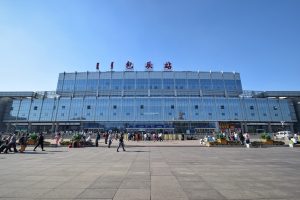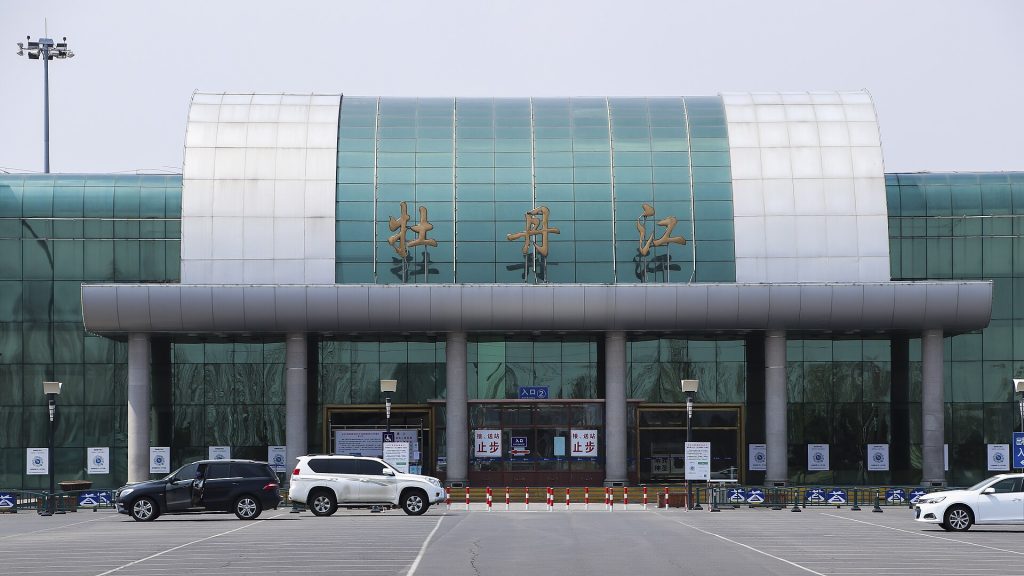
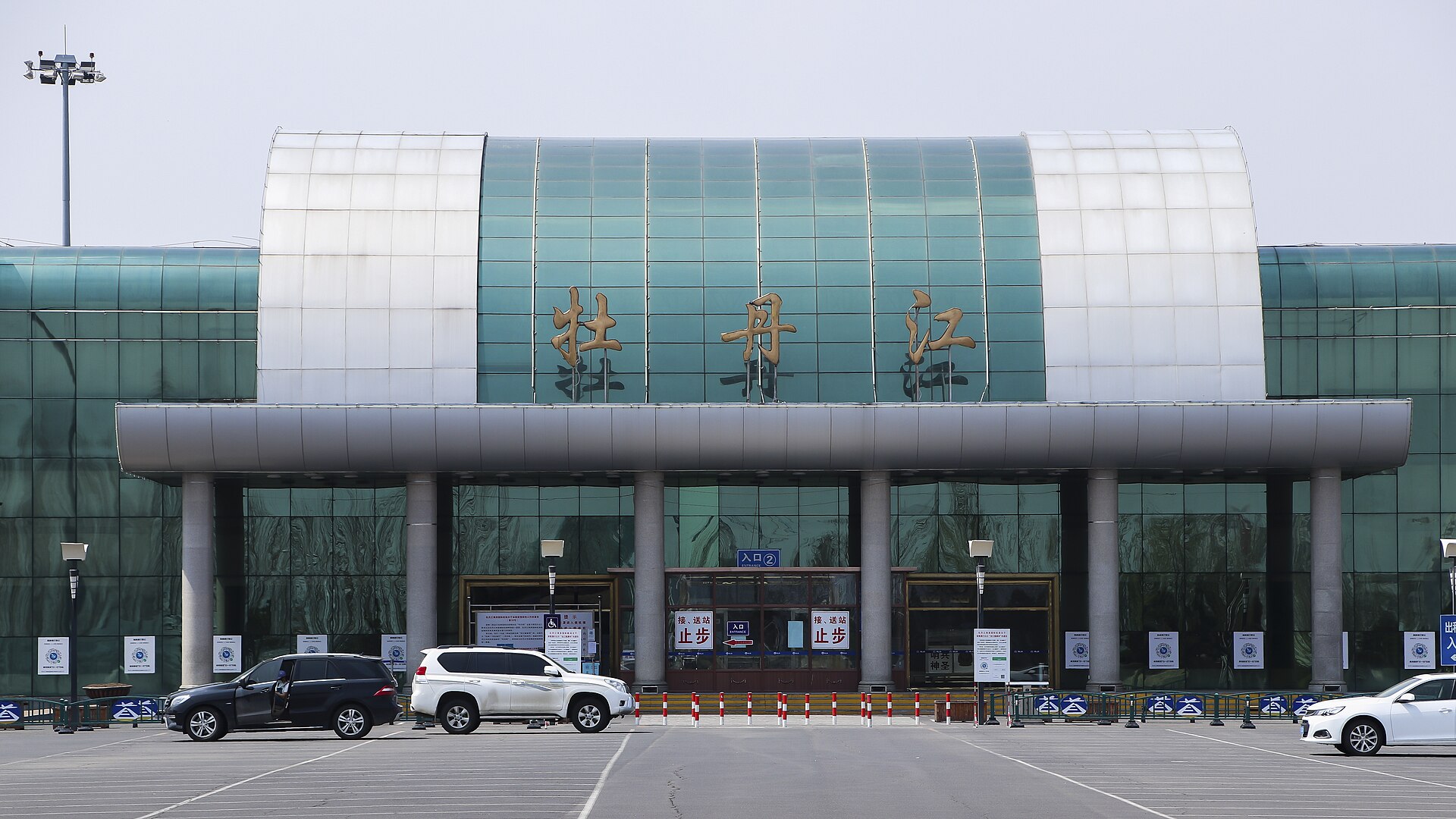
The sleeper from Harbin clatters across the Songhua River bridge just before dawn, and the platform at Mudanjiang Railway Station smells of coal smoke and steamed corn buns. Vendors shove plastic bags of pickled cabbage through the train windows while commuters in padded jackets stamp their boots against the frozen asphalt. This is not a city that performs for tourists; it is a working gateway to the Korean border, the volcanic crater lake at Jingpo, and the tiger forests of the Wanda Mountains. If you arrive expecting polished brochures, you will miss the point entirely.
Getting There Without Losing a Day
High-speed rail has rewritten the calculus. The bullet from Harbin West pulls into Mudanjiang in roughly two hours, slicing the old overnight slog to a morning commute. From Beijing, the direct high-speed run takes about seven hours — long enough to finish a novel, short enough to avoid a flight connection. Winter schedules thin out after the Lunar New Year, so check the app a week before you move. The airport, Hailang International, sits thirty kilometers southwest of the center; a taxi costs roughly the same as a decent dinner and takes forty minutes when the expressway isn’t buried in drifts. Buses from the long-distance station next to the old train depot run to Suifenhe, Hailin, and Ning’an every half hour in peak season, but they vanish after dark.
Where to Sleep: Heat Over Gloss
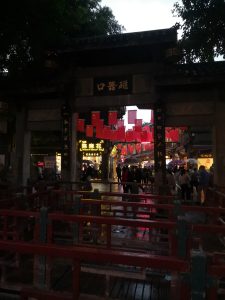
Central heating switches on city-wide in early November and runs until the spring equinox. That fact dictates lodging more than star ratings. A three-star business hotel near the railway station with reliable radiators beats a boutique guesthouse with drafty windows every time. Look for places in Yangming District within walking distance of the pedestrian street — you want hot water at 6 a.m. before a bus to the mountains. Family-run inns in Hailin or Ning’an often have kang beds, the brick platforms heated from below by a wood stove. Sleep on one once; your back will thank you after a day on icy trails.
Jingpo Lake: Ice, Water, and the Underground Forest
The crater lake sits ninety minutes north by car. In summer, the water turns a flat jade green and tour boats chug past basalt cliffs where cormorants dry their wings. Come the depth of winter, the surface freezes thick enough to drive trucks across. Locals set up ice-fishing shanties, drill holes with hand augers, and pull up carp the length of your forearm. The real prize, though, is the Underground Forest — a lava tube system where Korean pine and Manchurian ash grow in perpetual shadow. Wooden walkways wind past sinkholes that exhale air at a constant four degrees Celsius. Wear boots with ankle support; the basalt steps are uneven and slick with condensation year-round.
- Summer entry: buy the combined ticket at the south gate; boat ride included.
- Winter entry: separate ice-festival ticket; sleds and ice-bikes for rent at the north gate.
- Getting there: hire a private driver from Mudanjiang (¥400–500 round-trip) or take the 8 a.m. tourist bus from the long-distance station — returns at 4 p.m. sharp.
- Food on site: grilled fish wrapped in foil, corn on the cob, instant noodles in a paper bowl. Bring snacks if you have dietary restrictions.
Crossing at Suifenhe: Border Town Rhythm
Suifenhe sits sixty kilometers southeast, hard against the Russian frontier. The train from Mudanjiang takes an hour and deposits you on a wide boulevard where Cyrillic signs compete with Chinese characters. The market near the customs gate sells Russian chocolate, birch sap, and fur hats alongside Heilongjiang ginseng and pine nuts. You do not need a Russian visa to wander the Chinese side; the duty-free mall and the matryoshka-doll plaza are open to all. If you hold a passport eligible for the visa-free border policy, you can step into Pogranichny for a day — check the current bilateral list before you go. The real show is the 10 p.m. freight train rumbling across the bridge, containers stacked like Lego blocks, bound for Vladivostok.
Tiger Country: Hailin and the Wanda Mountains
Hailin City, thirty minutes west, is the launch point for the Northeast Tiger Forest Park and the Wanda Mountain ski fields. The park keeps Siberian tigers in enclosures that mimic taiga — birch stands, rocky outcrops, a stream that never fully freezes. Feeding time is 10 a.m. and 3 p.m.; arrive twenty minutes early for a spot at the railing. The ski resort opens when the snow base hits thirty centimeters, usually by early December. Runs are short but steep, and the lift tickets cost a fraction of what you pay in Beijing. Rent gear at the base lodge; the staff speak enough English to size boots and boards. After the last run, eat stewed pork ribs with vermicelli at the farmer’s restaurant across the road — order the pickled bean curd on the side.
Seasonal Rhythm and the Mistakes Newcomers Make
Spring arrives late. The ice on the Mudan River breaks up around the Qingming festival, and the city parks fill with kite flyers and elderly dancers. Summer is brief, humid, and loud with cicadas — good for river swimming at the sandbar near the railway bridge. Autumn colors the Korean pines gold by the Mid-Autumn Festival; that is the week to photograph the volcanic cones around Jingpo. Winter is the main event. Temperatures routinely hit minus twenty-five Celsius. The mistake visitors make is dressing for the thermometer instead of the wind. A down jacket rated for minus thirty means nothing if the cuffs don’t seal. Buy a fur-lined trapper hat, mittens with leather palms, and thermal insoles at the outdoor market on Xinglong Street — locals shop there, prices are half the mall, and the wool socks are the real merino blend.
Another trap: assuming English works outside the high-speed rail station. It does not. Download offline maps, screenshot your hotel address in Chinese, and learn the phrase for “no chili” if your stomach cannot handle the local heat. Carry cash — small vendors, taxi drivers, and market stalls often reject mobile pay when the signal drops in the valleys. Finally, do not plan a tight itinerary. A snowstorm can close the mountain passes for twenty-four hours. Build in a buffer day, drink the hot soy milk from the street cart, and watch the breath rise from the river at sunrise. That is the trip.