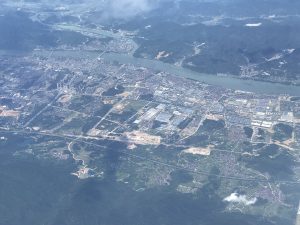
The minibus rattles past a row of banana trees, their broad leaves slapping the open window as we climb the last switchback before the river valley opens up. Ahead, the Zuo River cuts a brown slit through limestone cliffs that rise straight up, their faces stained black and red by centuries of weather. This is the approach to Ningming, a county seat in central Guangxi that most travelers only know as the gateway to the Huashan rock art. The town itself sits quiet along the water, a grid of concrete lanes, steaming noodle stalls, and the occasional tricycle hauling sacks of dried chili. If you step off the bus expecting a ticket booth and a gift shop at the cliff base, you will walk right past the real experience.
Arriving Without a Plan
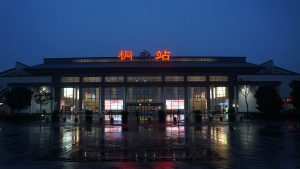
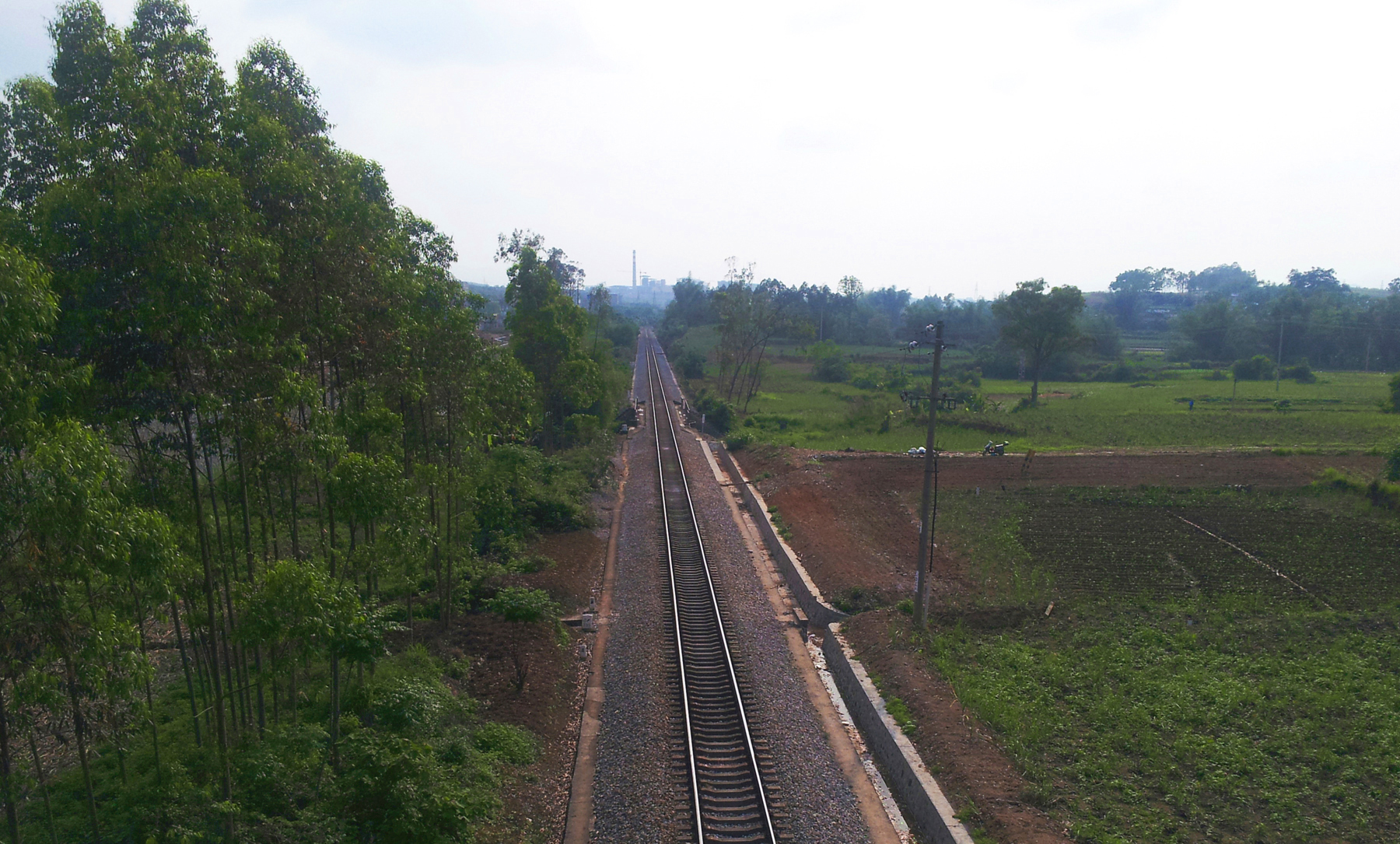
Two train stations serve the county, and picking the wrong one can cost you an hour. Ningming East sits on the high-speed line from Nanning; six bullet trains a day pull in, whisking you here in roughly forty minutes. The old Ningming Station, farther out on County Highway 553, sees a single slow train that arrives after dark. Most visitors coming from the provincial capital should book to Ningming East and ignore the older stop. From the east station forecourt, Bus 82 and Bus 88 run into the town center for a few yuan. If you arrive by long-distance coach, the main bus station on Xingning Avenue West connects to Chongzuo city buses and local routes 2, 5, 6, and 8. Taxis cluster at both hubs, but drivers rarely speak English. Have the Chinese name of your hotel or the characters for “Huashan scenic area” (花山景区) saved on your phone.
Getting to the Cliff Face
The rock art panel stretches along a sheer riverside cliff about fifteen kilometers southwest of town. There is no road that reaches the paintings directly. You have two options: hire a boat at the designated dock near the village of Yaoda, or join a guided minivan tour that includes the river crossing. The boat ride is the better choice. You board a long, shallow motorized skiff, the engine coughing to life as the prow points upstream. For twenty minutes you skim past fishing nets strung between bamboo poles, water buffalo knee-deep in the shallows, and the occasional heron standing motionless on a sandbar. The cliff looms larger, its vertical face pocked with caves and overhangs. Then the red figures appear — hundreds of human shapes, drums, dogs, and bronze drums painted in a hematite mixture that has clung to the limestone for two thousand years.
- Boat departure: Yaoda Village dock (姚达村码头), typically 8:30 am to 4:00 pm in the dry season.
- Fare: Around 80–100 yuan per person round-trip, shared boat; private charter costs more.
- What to bring: Hat, sunscreen, water, and a zoom lens — the paintings sit thirty meters above the waterline.
- Timing: Morning light hits the panel best; afternoon glare makes the red pigment harder to read.
Reading the Panels Without a Guide
Signage at the viewing platform is minimal — mostly Chinese and Zhuang with a few English captions that fade in the sun. Before you go, download the UNESCO brief on the Zuojiang Huashan Rock Art Cultural Landscape and save the schematic map that numbers the main figure groups. The largest concentration, Panel 1, holds a towering central figure flanked by rows of smaller dancers, arms raised, legs bent. Archaeologists believe the scenes depict a bronze-drum ritual performed by the Luo Yue people, ancestors of today’s Zhuang. Look for the dog motifs near the base; they are rare in Chinese rock art and may signal a totemic clan. If you spot a local ranger, gesture politely and ask “这个是什么意思?” (What does this mean?). Many know the oral stories passed down from village elders and will point out details the plaques miss — like the faint handprints high on the overhang, left by artists who climbed rattan ladders tied to stakes driven into cracks.
Eating in the County Seat
After the boat returns, hunger drives you back to the lanes near the bus station. Ningming food leans sour and spicy, built on fermented beans, pickled bamboo shoots, and the tiny bird’s-eye chilies that grow in every backyard. A typical lunch arrives on a plastic tablecloth: a bowl of rice noodles in broth thickened with pork bone, topped with slices of pickled mustard green, crushed peanuts, and a spoonful of chili oil that glows like amber. Next to it, a plate of stir-fried river snails — field snails the size of a thumbnail — tossed with garlic, fermented black bean, and perilla leaves. You suck the meat out with a sharp inhale, discarding the shells into a bowl. Locals order “suantang” (酸汤) by default; if you want less heat, say “weila” (微辣) and they will cut the fresh chili count in half.
- Must-try dish: Suantang rice noodles (酸汤米粉) — broth soured with fermented rice water, not vinegar.
- Side: Stir-fried river snails (炒田螺) with perilla and fermented black bean.
- Snack: Glutinous rice cakes (糍粑) grilled over charcoal, brushed with sesame and brown sugar.
- Drink: Sweet fermented tea (甜茶) served cold in a plastic cup, slightly fizzy.
Sleeping and Timing Your Stay
Ningming has a handful of business hotels near the east station and a few family-run guesthouses along the old town’s riverfront lane. The guesthouses often occupy two-story shophouses with tiled courtyards; rooms are basic but clean, and the host may invite you to share a pot of tea on the balcony overlooking the water. Book a room with a window facing the cliffs if you can — at dawn the limestone turns rose-gold, and you hear the river before the town wakes. One night is enough for the rock art, but two lets you visit the Chongzuo Zhuang Nationality Museum in the prefecture city, forty minutes north by bus. The museum’s permanent exhibition explains the bronze-drum culture that produced the cliff paintings, displaying actual drums excavated from nearby tombs. Return to Ningming in the late afternoon, catch the sunset from the riverbank, and eat a final bowl of noodles before the last train north.
Mistakes That Waste a Day
First-timers often arrive at the Yaoda dock after 3 pm, only to find the last boat has left. Others hire a private car to the cliff base, not realizing the road ends at a locked gate — the paintings are visible only from the water. A few travelers skip the museum in Chongzuo, thinking the site alone tells the story; without the context of bronze drums and Luo Yue migration, the figures remain decorative rather than legible. The most common error is packing light for “south China heat” and forgetting that the river wind in early spring or late autumn cuts through a T-shirt. Bring a light windbreaker, wear shoes that grip wet limestone, and keep your passport in a zip pocket — the boat ride splashes more than you expect.