The metro carriage empties at Tongli Station. Outside, a gaggle of retirees in matching windbreakers clusters around a printed map, arguing good-naturedly over which bridge to cross first. A vendor wheels a cart of steamed buns past the exit turnstiles, the scent of pork and scallion cutting the damp morning air. This is where Wujiang starts for most visitors — not with a grand gateway, but with the smell of breakfast and the sound of Wu dialect bouncing off tiled roofs.
Getting There Without a Car
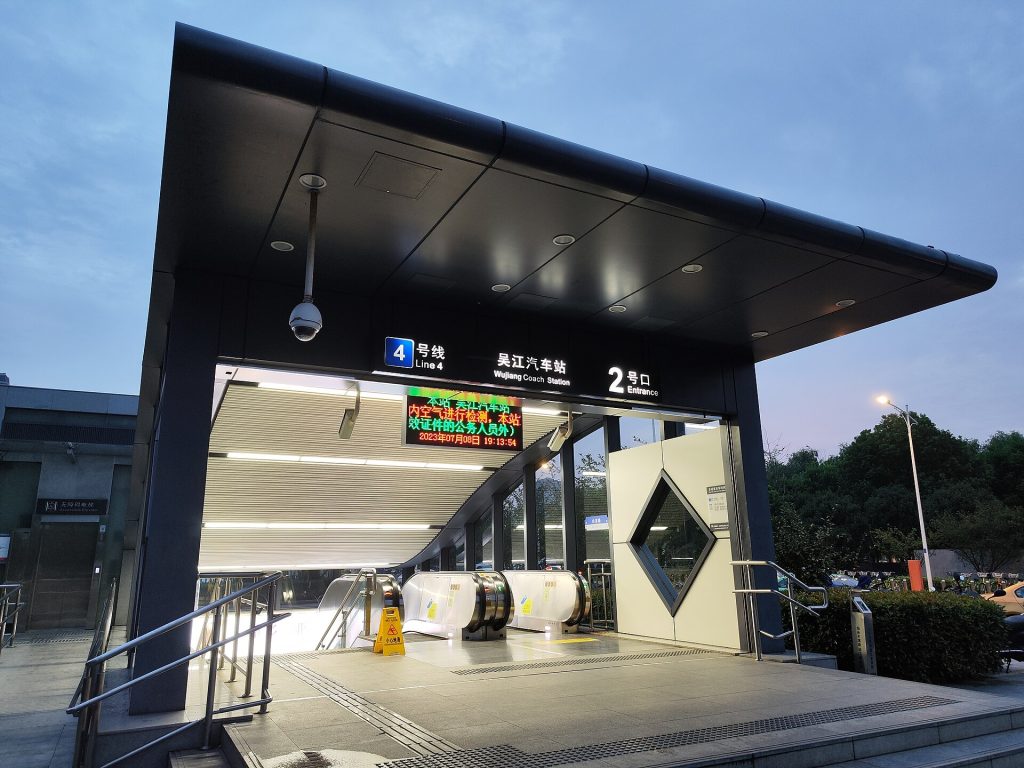
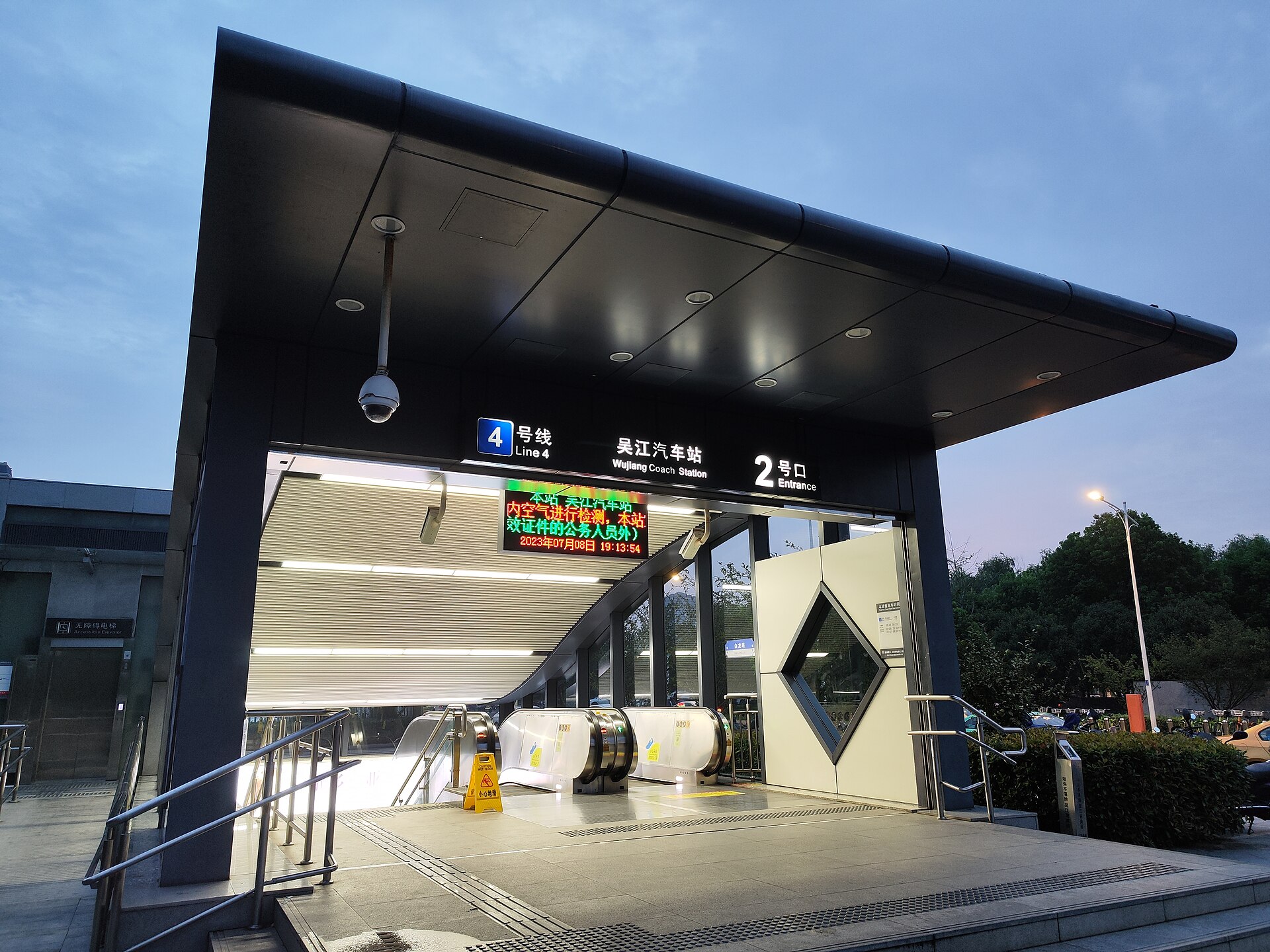
Line 4’s southeast fork deposits you at Tongli in about forty minutes from central Suzhou. Trains run every six to eight minutes during the day. Buy a single-ride token at the machine or tap a transportation card; the tourist desk beside the fare gates sells a combined pass that covers the shuttle into the historic core and entry to the main gardens and halls. If you are coming from Shanghai, the high-speed rail to Suzhou North adds twenty minutes on the metro. Taxis from Suzhou’s old town take thirty minutes when the elevated expressway flows, but double that during the evening rush.
Moving Around the Water Towns
Inside Tongli, the stone lanes are too narrow for cars. You walk. Flat-soled shoes are non-negotiable — the bridges are arched and the flagstones slick after rain. Electric shuttle carts loop between the metro station, the main ticket gate, and the Retreat & Reflection Garden every ten minutes; the driver waves you aboard with a nod. For the outer villages like Mudu or Lili, hail a ride-hailing car or catch a local bus from the Tongli hub. Bicycles can be rented near the canal docks, but the narrow alleys and low bridges make them frustrating after the first kilometer.
When to Show Up
Spring arrives with the plum blossoms in the second lunar month. The canals reflect pink petals and the tour groups have not yet swelled. By the fifth lunar month, the dragon boat races churn the water and every guesthouse raises its rates. Autumn, around the ninth lunar month, brings crisp skies and the sweet osmanthus bloom — locals say this is the only time the tea tastes right. Winter is quiet; the mist hangs low over Lake Tai, and you might have the Retreat & Reflection Garden to yourself, but the boatmen stop running after the tenth lunar month.
What the Day Actually Looks Like
Start early. The ticket gates open at eight. Walk straight to the Three Bridges — Taiping, Jili, and Changqing — before the tour buses unload. Cross each once; tradition says it brings peace, fortune, and longevity. From there, drift toward the Retreat & Reflection Garden. The rockery inside is a maze of limestone stacked to mimic mountains; the pond mirrors the white walls and black tiles. A caretaker sweeps fallen leaves with a bamboo broom. He will not pose for photos, but he might point out the hidden door behind the scholar’s rock if you ask in Mandarin.
- Midday: eat at a family-run stall near the canal — braised pork belly, steamed river shrimp, a bowl of hand-pulled noodles in clear broth.
- Afternoon: rent a rowboat from the dock behind the garden. The boatman poles you under low bridges past women washing vegetables on stone steps.
- Late afternoon: climb the stone steps to the Chongben Hall rooftop for a view of the lake stretching to the horizon.
- Evening: the lanterns flicker on. Sit at a waterside teahouse with a pot of Biluochun. The tourists leave; the locals stay.
Mistakes That Waste Time
Buying the combined ticket but skipping the shuttle — the walk from the metro to the old town takes twenty minutes along a busy road with no sidewalk. Wearing heels or stiff leather soles; the bridges punish them. Assuming English signage covers everything — the deeper alleys have only Chinese characters. Ordering “West Lake fish” at a tourist-menu restaurant; the real version uses lake carp steamed with ginger and ham, not the sweet vinegar sauce served to groups. Finally, trying to hit Mudu, Lili, and Tongli in one day. Each town deserves its own morning. Pick one, linger, and let the water set the pace.