The bus from Linxia crests a pass and the air thins. Below, the Daxia River cuts a brown line through a valley floor patched with barley and canola. Prayer flags snap on the ridge poles of the first houses. You step off at the Xiahe bus station, turn right, and walk fifteen minutes past a row of tire shops and a noodle hall steaming with hand‑pulled strands. The street widens. Monks in burgundy robes cross the road carrying aluminum thermoses. At the far end, the golden roofs of Labrang Monastery catch the late light. This is the main drag — one long road, Tibetan at the west end, Han at the east, the monastery square in the middle.
Getting There Without a Tour Bus
Most foreigners arrive from Lanzhou. The south station runs three morning departures and two in the afternoon; the ride takes about three and a half hours and costs roughly seventy‑five yuan. If you miss the last direct bus, take a minivan to Linxia — two hours, twenty yuan — and hop a connecting coach that leaves every half hour. The Linxia‑Xiahe leg climbs through Hui villages where women in white headscarves sell dried apricots at the rest stops. In winter, ice can close the pass; ask the driver the night before whether the road is clear.
From Chengdu or Xi’an, the fastest route is a flight to Lanzhou Zhongchuan Airport, then a pre‑booked car or the airport‑to‑south‑station shuttle. A shared SUV from the airport to Xiahe runs about three hundred yuan per seat and saves the transfer hassle. If you drive yourself, the G75 expressway turns into a two‑lane mountain road after Hezuo; fuel stations are sparse, so fill the tank in Linxia.
Where to Sleep: Monastery View or River Noise
Guesthouses cluster within a five‑minute walk of the monastery’s main gate. The Tibetan‑run places on the western stretch have heated kang platforms, yak‑butter tea on the stove, and owners who wake you for the 6 a.m. chanting. A double room with private bathroom goes for one hundred to one hundred fifty yuan in the off‑season. On the eastern, commercial side, Han‑run hotels have elevators and Wi‑Fi that actually streams video, but you’ll hear karaoke from the restaurant downstairs until midnight.
If you want quiet, book a courtyard room at a family compound behind the prayer‑wheel lane. The matriarch will hand you a thermos of hot water and a stack of tsampa flour. No English, but gestures and a translation app get you breakfast: steamed buns, pickled radish, and a bowl of yak‑meat broth.
Labrang Monastery: The First Morning Circuit
Arrive at the main gate before eight. The ticket booth sells a combined pass for the assembly halls and the living Buddha’s residence — around sixty yuan. Slip your shoes into the plastic bags provided, step onto the cold stone, and follow the pilgrims clockwise. The air smells of juniper incense and melted butter lamps.
- Great Assembly Hall (Duke Tsang): Hundreds of monks sit on cushions, throats vibrating with low‑pitched sutras. Butter lamps flicker on the altar; the walls are lined with thangka scrolls rolled up for the season.
- Maitreya Chapel: A three‑story future Buddha stares down, gilded face serene. Pilgrims press khata scarves into his palm.
- Living Buddha’s Residence: Quiet courtyard, a single juniper tree, and a room where the current incarnation receives visitors. Photography is forbidden inside.
- Scripture Printing House: Monks ink woodblocks by hand, press them onto long sheets of paper, and hang the sutras to dry on lines strung across the yard.
Allow two hours. The circuit ends at the giant prayer wheel — three meters tall, turned by a water channel. Spin it once, whisper a wish, and walk out the side gate onto the kora path.
The Outer Kora: Walking with the Grandmothers
The outer circumambulation trail loops three kilometers around the monastery hill. Elderly Tibetan women set the pace, fingers clicking malas, breath steady in the thin air. The path climbs past chortens painted white, then drops to a meadow where herders graze yaks in summer. In autumn, the grass turns gold and the river runs clear enough to see trout.
Carry water, a wind‑proof jacket, and a small offering of barley flour. Do not step on the mani stones piled at each stupa. If a monk gestures you to a side shrine, follow — he may pour you a sip of blessed water from a silver kettle. The full loop takes ninety minutes at a pilgrim’s pace; runners can do it in forty, but you’ll miss the murmur of mantras.
Day Trips: Sangke Grassland and the Labrang Horse Festival
Ten kilometers north, the Sangke Grassland opens into a basin ringed by snow‑capped peaks. In the sixth lunar month, the horse festival draws nomads from three counties. They race bareback, wrestle in felt boots, and trade yak cheese for smartphone chargers. Even outside festival days, you can hire a horse from a family camp — one hundred yuan for two hours — and ride to the river’s source where the water bubbles from a rock cleft.
Shared minivans leave from the square in front of the monastery at 9 a.m. and return by 4 p.m. The driver waits while you picnic on flatbread and dried yogurt. Bring sunscreen; the UV at three thousand meters burns fast.
Eating: Noodles, Momos, and the Night Market
Breakfast is a bowl of thukpa — hand‑pulled wheat noodles in yak‑bone broth, topped with cilantro, chili oil, and a spoonful of tsampa. The best stall sits behind the monastery’s east wall; the owner, a woman named Dolma, kneads the dough on a wooden board while her son slices meat paper‑thin.
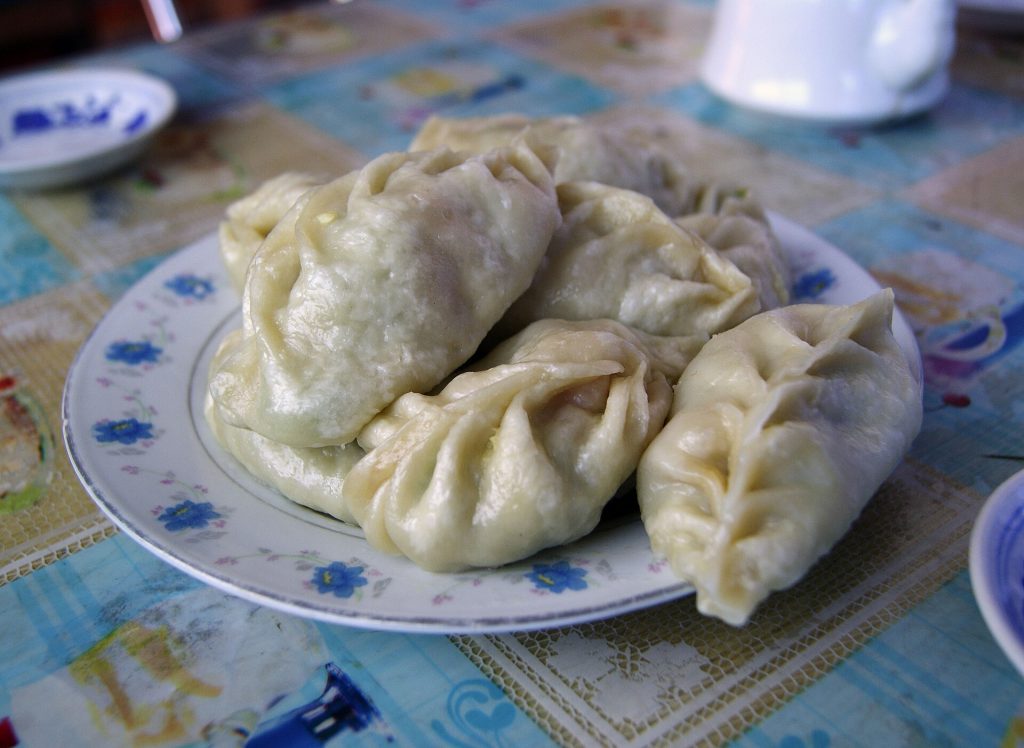
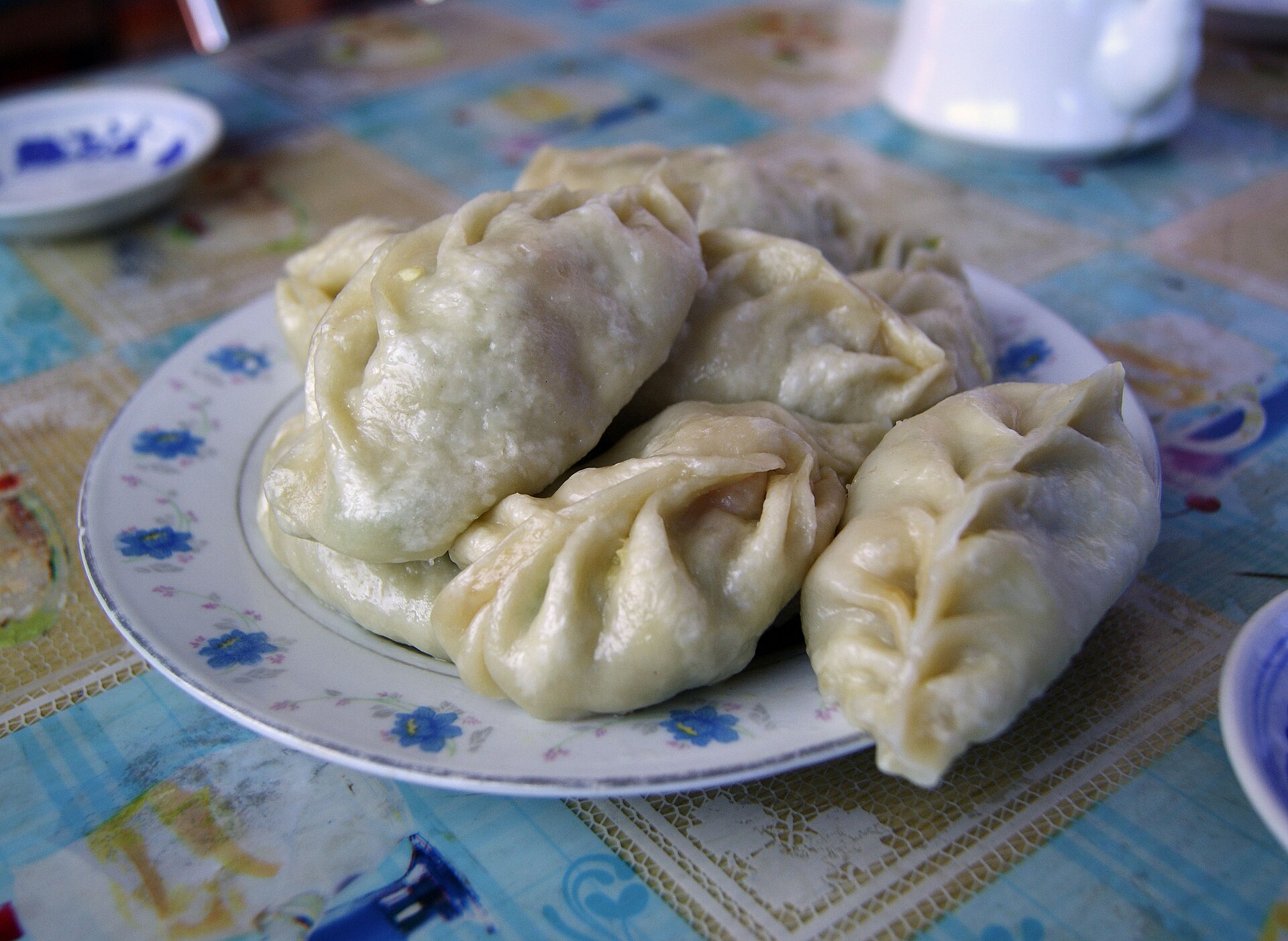
- Momos: Steamed dumplings stuffed with minced yak, onion, and ginger. Dip in vinegar‑chili sauce.
- Shapta: Stir‑fried yak strips with green peppers and Sichuan peppercorns. Served sizzling on a cast‑iron plate.
- Butter tea: Salty, creamy, churned with a wooden plunger. Drink three bowls; the fourth is polite refusal.
- Yak yogurt: Thick, sour, sold in ceramic jars at the night market. Eat with a wooden spoon.
The night market sets up after dusk on the commercial stretch. Smoke rises from grills turning whole lamb legs. Stalls sell prayer beads, turquoise chunks, and knock‑off North Face jackets. Prices are negotiable; start at half the asking price and meet in the middle.
What Newcomers Get Wrong
First, they treat the monastery like a museum. It’s a living university — monks study, debate, and sleep here. Speak in whispers, don’t point cameras at faces during debate sessions, and never climb on the stupas.
Second, they underestimate altitude. Xiahe sits at 2,900 meters. The first night, your head may throb and sleep comes in fragments. Hydrate, avoid alcohol, and climb the kora slowly. Diamox helps if you start it a day before arrival.
Third, they skip the Hui quarter on the east end. The mosque’s green dome glows at sunset, and the beef noodle soup there — clear broth, hand‑shaved noodles, chili oil floating like amber — rivals any bowl in Lanzhou. Sit on a plastic stool, slurp loud, and the owner will refill your bowl without asking.
Fourth, they forget cash. Mobile pay works in the big hotels, but the momo stall, the horse guide, and the prayer‑flag vendor only take red notes. Carry a few hundred yuan in small denominations.
When the last bus pulls away toward Linxia, the valley quiets. The monastery’s horns sound the evening puja — deep, resonant, shaking the window glass. You wrap your yak‑wool shawl tighter, sip the last of the butter tea, and understand why the old timers still call this place home.