The minibus shuddered to a halt on a hairpin bend above the Qing River, the diesel engine coughing in the thin air. Through the open door, a wall of white mist clung to the karst peaks, swallowing the valley floor whole. A woman in a indigo headscarf leaned against the railing, shelling corn into a bamboo basket, utterly unbothered by the drop. That was the first hour in Enshi — no fanfare, just altitude and the smell of wet limestone.
Getting Oriented in the Valley
Enshi sits in the southwestern corner of Hubei, where the province leans into Chongqing. The city proper spreads along the Qing River, but the real draw is the vertical world around it: limestone gorges, sinkholes that swallow sunlight, and terraced fields clinging to slopes that look impossible to farm. Most visitors base themselves in the urban district for a night, then fan out to the Grand Canyon, Tenglong Cave, or the highland villages of the Tujia and Miao. The pace is slower than Wuhan or Yichang. Shop shutters stay down until mid-morning. Tea houses fill with old men playing cards before the first tour bus arrives.
When to Show Up
The rainy season hits hard between the fifth and eighth lunar months. Trails turn slick, drone footage gets ruined, and the canyon boardwalks can close without notice. The sweet spot arrives after the Mid-Autumn Festival, when the humidity breaks and the hills turn the color of dried persimmons. Winter brings a damp chill that seeps through concrete — pack a down jacket even if the forecast says ten degrees. Spring is unpredictable; a sunny morning can dissolve into pea-soup fog by noon, stranding cable cars and delaying flights at Xujiaping Airport.
Moving Around Without a Car
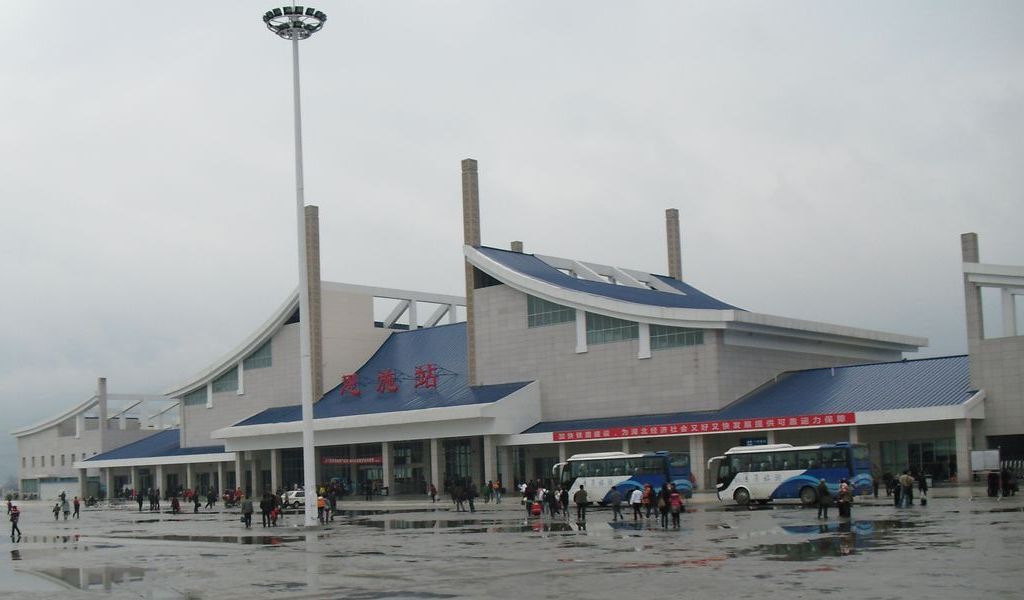
The city bus network reaches most scenic area gates, but schedules are written for commuters, not tourists. The 101 runs from the railway station to the Grand Canyon visitor center, yet the last return trip leaves before sunset. Taxis are cheap and plentiful downtown; drivers know “Tenglong Dong” and “Nü’er Cheng” by heart. For the villages — Miao Feng, Zhu Zhi Xi — hire a driver for the day. Negotiate the price before the wheels turn, and confirm they’ll wait while you hike. Shared minivans depart from the long-distance bus station when full; they’re faster than the bus but leave zero legroom for a backpack.
Ordering Food Without a Menu Translation
Walk into a lane-side restaurant near the train station at lunchtime. No English, no pictures. Point at what the table next to you is eating. The staples arrive fast: a clay pot of he zha — smoked pork belly simmered with pickled mustard greens and tofu — the broth turning the color of amber tea. A plate of tujia xiang gu, wild mushrooms stir-fried with garlic and dried chili until the edges curl black. Cold rice noodles tossed in sesame paste, vinegar, and a spoonful of chili oil that sings rather than burns. Order a bowl of corn grits porridge to cool the palate.
- Smoked pork belly (腊肉) — ask for he zha style, stewed with sour greens
- Wild mushrooms (野生菌) — seasonal, usually summer; confirm they’re cooked through
- Cold rice noodles (凉面) — specify ma jiang (sesame paste) not la you (chili oil only)
- Corn grits porridge (棒子粥) — plain, unsweetened, served in a wooden bucket
- Pickled yardlong beans (酸豆角) — side dish, salty-sour, cuts the fat
If the server hovers, hold up fingers: one for the clay pot, two for noodles. They’ll nod and shout the order to the kitchen in dialect. Tea is free — usually a coarse green leaf that steeps brown in a glass tumbler. Pay at the counter on the way out; cash and WeChat QR both work.
Village Stays and the Guesthouse Trap
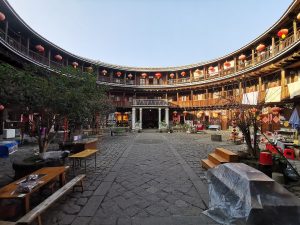
Booking a “Tujia courtyard homestay” on an app often lands you in a concrete block with a fake timber facade. The real thing sits half an hour up a dirt track past the last 4G signal. Look for homes where the ground floor houses pigs and the family sleeps upstairs on heated brick beds (kang). The host will offer homemade rice wine — small cup, two sips, never refuse the first pour. Breakfast is cold rice, fermented bean curd, and a bowl of last night’s soup reheated. No menu. No Wi-Fi. The toilet is a squat over a biogas digester. If that sounds like a hardship, stay in the city and day-trip.
Locals expect you to remove shoes at the threshold. They’ll press extra blankets on you at night — the mountain cold bites through quilts. In the morning, the grandmother will wake you with a bowl of hot corn wine before dawn. Drink it. It’s the only way the day starts right.
What First-Timers Get Wrong
They pack sandals for the canyon boardwalk. The planks are wet, moss-slick, and spaced wide enough to swallow a sneaker sole. Wear trail shoes with drainage. They assume the cable car runs all day — it stops for wind, lightning, and lunch break. They try to “do” the Grand Canyon and Tenglong Cave in one afternoon; each deserves a full day. They photograph elders without asking — a quick nod and a smile works better than a raised lens. They bargain at the night market like it’s a souvenir stall in Beijing; here, the price is the price, and pushing it marks you as clueless.
They forget cash. Mountain villages and park ticket windows still prefer red notes. They skip the selenium-rich tea — Enshi’s claim to fame — because it tastes grassy on the first sip. Brew it twice. The second infusion is where the sweetness lives.