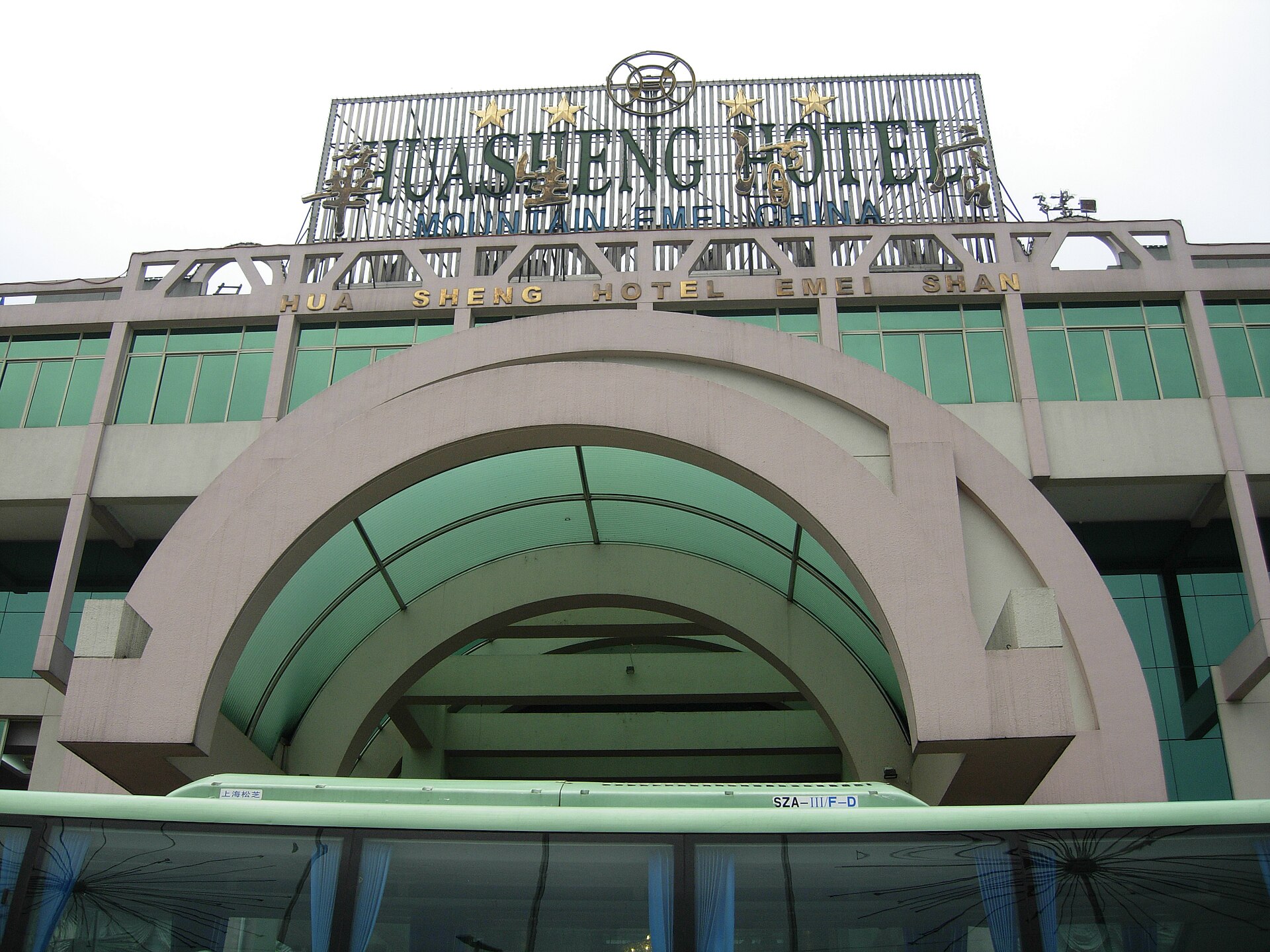
The minibus shudders as it rounds the hairpin above Baoguo Temple, headlights cutting through a curtain of mist that clings to the cedars. Inside, a vendor balances a basket of steaming corn on her knees, the scent of butter and char rising above the diesel fumes. Someone presses a foil packet of roasted sweet potato into my hand — breakfast, altitude style — while the driver leans on the horn for a troop of macaques blocking the lane. This is not a scenic overlook. It is the daily commute up Emeishan, and the mountain has already decided the schedule.
Getting There Without Losing a Morning
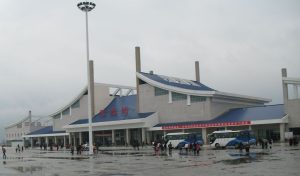
High‑speed rail is the cleanest entry point. Trains from Chengdu West or Chengdu South pull into Emeishan Railway Station in roughly an hour; the station sits halfway between the city center and the park gate. From the forecourt, green minibuses marked “Scenic Area” leave every ten minutes for Baoguo Temple — pay the driver directly, no app needed. If you land at Shuangliu Airport, the same line runs from the airport transport hub and takes about ninety minutes door‑to‑gate.
Regular‑speed trains still terminate at the older Emei Railway Station deeper in town. From there, city bus 5 or a shared taxi covers the last stretch to the park entrance in twenty minutes. Long‑distance coaches from Chengdu’s Xinnanmen Bus Station drop passengers at the tourist center near Baoguo; the ride stretches past three hours when traffic thickens around Leshan. Budget travelers sometimes hop the local Leshan‑Emei bus 601, but it stops at every village and turns a one‑hour hop into a two‑hour crawl.
Moving Around the Mountain
Inside the park, the shuttle network is the backbone. Two main lines — one serving the lower temples (Baoguo, Fuhu, Qingyin) and another climbing to Leidongping for the Golden Summit cable car — run from dawn until the last descent. Swipe your park ticket at the turnstile; no extra fare. Buses are packed on holiday mornings, so queue early or accept standing room with a backpack wedged between your knees.
Taxis and private cars are banned past the first checkpoint. If you prefer your own rhythm, rent an e‑bike near the visitor center — helmets mandatory, battery range roughly thirty kilometers on a full charge. The road is steep, winding, and shared with shuttle buses that do not brake for cyclists. Walking the stone flagways between temples is quieter, but the full ascent from Baoguo to the summit spans fifty kilometers and two thousand meters of gain; most hikers split it across two days.
Hiking Routes That Match Your Legs
The classic pilgrimage path follows the central spine: Baoguo → Fuhu → Qingyin Pavilion → Wannian Temple → Leidongping → Golden Summit. Allow six to eight hours of steady walking for the middle section alone. Stone steps are uneven, slick after rain, and punctuated by tea houses selling noodles and oxygen canisters. Monkeys patrol the stretch between Qingyin and Wannian; keep food sealed and sunglasses tethered.
A gentler alternative stays low. From Baoguo, walk fifteen minutes to Fuhu Temple, then follow the stream-side boardwalk to the Ecological Monkey Zone — fenced, so the primates stay at arm’s length. Loop back via the bamboo grove behind the tea plantation; the round trip fits in three hours and leaves energy for an evening hot‑pot in town.
Hard‑core hikers often descend the “back road” from Leidongping to Hongchunping, then catch the night bus back to the city. The trail drops through rhododendron thickets that bloom in late spring, and the silence breaks only when a pheasant flushes. Carry a headlamp; the forest swallows light fast.
Cable Cars, Tickets, and the Golden Summit Sunrise
Two cable‑car systems serve the summit. The lower line runs from Wannian Temple to the mid‑station; the upper line climbs from Leidongping to the Golden Summit platform. Buy a combined park‑entry plus cable‑car ticket at the visitor center or on the official WeChat mini‑program — queues at the window can swallow an hour on weekends. Prices shift by season; expect the full round‑trip package to sit in the low‑hundreds of yuan.
For sunrise, the first upper‑car departs Leidongping at 5:30 a.m. in summer, 6:00 a.m. in winter. Arrive at the lower station by 4:45 a.m. to clear security and the shuttle from the parking lot. The platform at 3,077 meters is exposed; wind cuts through down jackets. Locals bring thermoses of ginger tea and share hand‑warmers. Cloud inversions are common — sometimes the sun rises above a white ocean, other times you stare into gray soup. No refunds either way.
If you skip the cable car, the final stair climb from Leidongping takes ninety minutes in darkness. Steps are lit by sporadic sodium lamps; watch for ice patches after cold snaps. The temples at the summit open at 6:00 a.m.; the bronze Samantabhadra statue faces east, catching the first light when the clouds cooperate.
Leshan Giant Buddha Day Trip Logistics
Leshan sits forty kilometers east. The fastest link is the high‑speed train from Emeishan Station to Leshan Station — ten minutes, departures every half hour. From Leshan Station, city bus 3 or a five‑minute taxi reaches the Buddha park entrance. Avoid the tourist shuttle sold at Emeishan hotels; it costs triple and waits until the minibus fills.
Enter the site early — 8:00 a.m. at latest — to beat the tour‑group bottleneck at the cliff‑side stairway. The descent to the Buddha’s feet follows a narrow plank path with handrails; two‑way traffic jams form quickly. Allow ninety minutes for the full circuit: riverside view, Lingyun Temple, and the giant sleeping Buddha carved into the opposite bank. Ferries cross the confluence of the Min, Qingyi, and Dadu rivers every twenty minutes if you prefer the water‑level perspective.
Return trains run until 10:00 p.m. If you miss the last one, the long‑distance bus station near the Buddha park has overnight sleepers back to Chengdu, but they fill by 9:00 p.m. Keep a backup plan: a shared ride to Leshan’s central bus hub, then the 601 back up the mountain.
What Newcomers Get Wrong
First, they treat the mountain like a theme park with fixed hours. Temples close at dusk, but the gates stay open; monks still chant in the halls while tourists snap flash photos. Respect the rhythm — lower your voice, step over thresholds, don’t pose on prayer cushions.
Second, they underestimate the damp. Even in summer, fog rolls in by noon and temperatures drop ten degrees. A lightweight rain shell and a fleece layer live in my daypack year‑round. Cotton jeans stay wet until you reach a heated restaurant.
Third, they feed the monkeys. A peanut offered at Qingyin becomes a torn backpack strap at Wannian. The macaques recognize plastic bags from fifty meters. Eat inside the tea houses, zip every pocket, and if a monkey approaches, stand still, avoid eye contact, and let it lose interest.
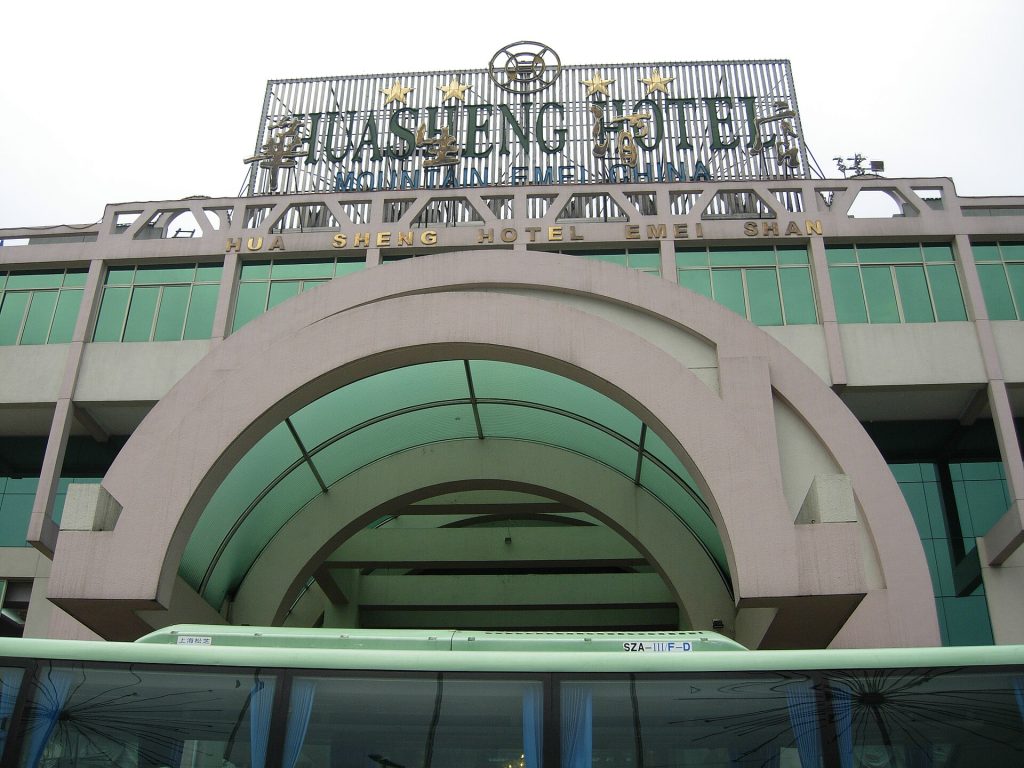
Fourth, they book a single night at the summit hotel expecting a guaranteed sunrise. Rooms are basic — shared bathrooms, thin walls, no heating — and often fully booked weeks ahead during the spring pilgrimage season. Most hikers stay in Leidongping or descend to Hongchunping for a cleaner bed, then ride the first cable car up.
Finally, they skip the off‑mountain food. Emei city’s night market behind the old train station serves smoked tofu on skewers, cold rabbit head with Sichuan pepper, and bowls of rice noodles in beef broth that cost less than a park‑entrance coffee. Eat there the night before you climb; the calories carry you higher than any energy gel.