The morning mist still clung to the tiled ridges of Luzhai Residence when I pushed open the heavy wooden gate. No tour groups yet, just an elderly caretaker sweeping fallen gingko leaves into a neat pile. Sunlight sliced through the lattice windows, catching dust motes dancing above centuries-old wood carvings — dragons chasing pearls, phoenixes mid-flight, entire landscapes compressed into panels no wider than my forearm. This is Dongyang at its quietest: a place where the past isn’t roped off behind velvet stanchions but lives in the grain of every beam and bracket.
Getting There and Moving Around
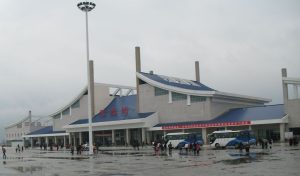
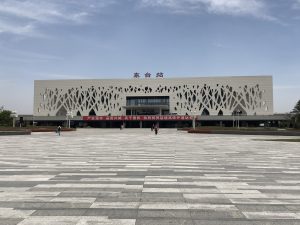
Most visitors arrive via Yiwu Airport, a forty-minute drive west, or the high-speed rail station that links Dongyang to Hangzhou in under an hour and Shanghai in two. From the station, a taxi to the city center costs roughly the price of a decent bowl of noodles. If you’re headed straight to Hengdian World Studios, the direct bus from the station square runs every twenty minutes and drops you at the main gate in half an hour. Inside the city, the public bus network is dense and cheap — swipe a transport card or use the mobile QR code. For the wood-carving villages scattered along the foothills, a hired car for the day makes sense; drivers know the unmarked turnoffs that GPS misses.
Where the Past Lives: Luzhai and the Museum
Luzhai Residence demands at least two hours. The compound sprawls across twelve courtyards, each one a lesson in scale and restraint. Start in the front hall where the family received officials — the ceiling beams are carved with the “hundred birds paying homage to the phoenix” motif, every feather distinct. Move deeper to the private gardens where rockeries mimic miniature mountains and a lotus pond reflects the eaves. The Dongyang Museum, a ten-minute walk away, holds the context: dinosaur eggs unearthed from the red sandstone basins, Ming dynasty furniture that shows the evolution from Song simplicity to Qing opulence, and a hall dedicated to the woodcarving guild system that once regulated apprenticeships and design standards.
Stepping Onto the Set: Hengdian World Studios
Hengdian feels less like a theme park and more like a working backlot that never wraps. The Qin Palace complex — built for *The Emperor and the Assassin* — stands at 1:1 scale, its glazed tiles flashing yellow against the hills. You can climb the throne room stairs where Jet Li once fought, then walk ten minutes to the Ming-Qing Folk Street where extras in period costume eat takeout between takes. The Guangzhou-Hong Kong Street replicates 1920s shophouses down to the peeling paint and neon signage. Buy the multi-site pass if you plan to hit the Dream Valley water show and the Riverside Scene at Qingming Festival park; single tickets add up fast. Weekdays in late autumn are ideal — the light is golden, the crowds thin, and the ginkgo avenues along the studio roads turn the color of aged amber.
Wood, Fire, and the Workshop Visit
Dongyang woodcarving isn’t a museum craft — it’s a living trade. In villages like Qianxi and Hetou, family workshops line the lanes. The smell hits you first: camphor, sandalwood, the sharp bite of fresh-cut nanmu. Masters still teach the “three cuts” — rough shaping, fine detailing, polishing — without power tools. Ask to see a *ruyi* scepter in progress; the curved head requires reading the grain so the wood won’t split. If you commission a piece, agree on the timber grade upfront: huanghuali commands a different price than zitan, and substitutes abound. A small relief panel takes a week; a folding screen, a month. Pay half upfront, half on delivery, and insist on photos at each stage.
Eating Like a Local
Dongyang cuisine leans salty-sweet, heavy on soy, vinegar, and cured meats. Breakfast means a bowl of *xianggan* — firm tofu braised in dark sauce until the edges caramelize — paired with a steamed bun stuffed with minced pork and preserved mustard greens. For lunch, find a riverside stall doing *shao bing* baked in a clay oven: the flatbread puffs, blisters, and gets brushed with scallion oil and sesame. Dinner is communal. Order the “three treasures” — braised pork belly with bamboo shoots, steamed fish with fermented bean paste, and a clay-pot rice crowned with cured sausage and shiitake. Skip the tourist menus near Hengdian’s main gate; walk two blocks inland to where the crew members eat.
- Xianggan (braised firm tofu) — dark, glossy, slightly chewy
- Shengjian bao — pan-fried buns, crisp bottom, soup inside
- Braised pork belly with spring bamboo — fat melting into gelatin
- Steamed yellow croaker with *hongzao* (red fermented rice)
- Clay-pot rice with lap cheong and dried shrimp
Seasons, Festivals, and What Locals Expect
The lunar new year transforms the city. Lanterns hang from every eave, and the woodcarving guilds stage a procession — apprentices carrying giant *ruyi* scepters, masters in silk robes beating drums. During the Dragon Boat Festival in the fifth month, the river fills with painted boats and the air with zongzi steam. Mid-autumn brings mooncake exchanges; if you’re invited to a family table, bring two boxes of the local lotus-paste variety, not the imported brands. Locals value modesty: speak softly in temples, don’t touch carvings without permission, and never step on a threshold. If a host refills your tea, tap two fingers on the table — a silent thank-you rooted in Qing dynasty court etiquette.
Where to Sleep and What to Avoid
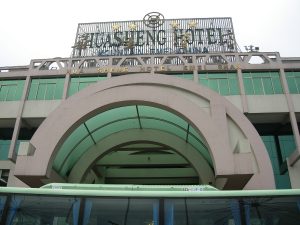
In the old town, courtyard guesthouses converted from merchant homes offer tiled roofs and shared courtyards where you’ll hear mahjong tiles clacking at dusk. Near Hengdian, chain hotels cluster around the studio gates — functional but soulless. Book early during the spring and autumn film festivals; rooms vanish weeks ahead. Common mistakes: assuming English signage exists beyond the main attractions (it doesn’t), trying to “do” Hengdian in four hours (you need a full day minimum), and buying “antique” carvings from street vendors — the patina is usually shoe polish. Carry cash for small stalls; mobile pay works everywhere else. And if a workshop master offers you tea, stay. The stories they tell over the rim of a cracked porcelain cup are worth more than any guidebook.