The Yangtze rolls wide and brown past the dock where I stood, the air thick with diesel and river mud. A vendor was hacking a watermelon into crescents, juice running over his knife onto the concrete. Behind him, the steep streets of Fengdu climbed the hill in tight switchbacks, laundry strung between power lines, the smell of chili oil and coal smoke rising from lunch kitchens. This is not a theme park. It is a working river town that happens to sit beside one of China’s strangest sacred sites.
Getting There Without a Tour Group
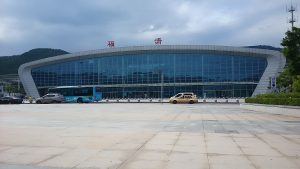
Most foreigners arrive on a Yangtze cruise shuttle, herded through the gates in matching caps. If you come on your own, the rhythm changes. The fastest route is the high-speed train from Chongqing North. The ride takes just over an hour, tearing through tunnels and across viaducts that make your ears pop. Trains run frequently from early morning until late evening. Step off at Fengdu Railway Station on Yingbin Avenue and you are a five-minute taxi ride from the riverfront. Buses from Chaotianmen Bus Station or Sigongli Transport Hub take closer to two hours, winding through the hills, cheaper but slower. If you are already downstream in Fuling or Wulong, local coaches connect directly to the Fengdu Bus Station on Binjiang West Road.
The Mountain That Judges the Dead
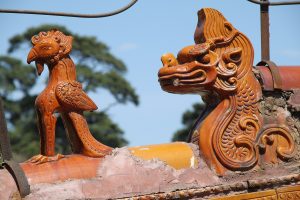
Mingshan — Name Mountain — rises directly behind the old county seat. The complex is a layer cake of Taoist and Buddhist halls built over centuries, each dedicated to a different stage of the afterlife bureaucracy. You enter through a paifang arch painted vermilion, the characters scorched by decades of incense. The first test is the Bridge of Helplessness, a narrow stone span with no railings. Legend says the virtuous cross easily; the wicked fall into the river below. I watched a grandmother shuffle across in cloth shoes, steady as a cat, while a teenager in sneakers froze halfway, gripping the stone lions.
Past the bridge, the path climbs through the Ghost King Hall, where a massive seated statue stares down with bulging eyes, tongue lolling. The air here is cooler, scented with sandalwood and the waxy residue of thousands of joss sticks. Further up, the Hall of Last Glance holds a stone tablet where souls supposedly pause to look back at the mortal world. Pilgrims press foreheads to the cold rock, murmuring names of the living. The final ascent leads to the Temple of the King of Hell, perched on a cliff edge with the Yangtze spread out below like a silk bolt. On a clear day you can see the Three Gorges Dam outline far upstream.
What to Eat Before You Climb
- Pickled mustard greens (榨菜) — salty, crunchy, essential with plain congee.
- Fengdu spicy bean curd (丰都豆干) — pressed tofu sheets braised in chili oil, Sichuan pepper, and fermented bean paste until the edges curl.
- River fish hotpot (江鱼火锅) — fresh carp or catfish sliced thin, swished in a boiling red broth at the table.
- Cold rice noodles (凉面) — tossed with garlic, vinegar, chili oil, and crushed peanuts, sold from bicycles near the bus station.
Sit at a plastic table in a back-alley shop near the river. Order the bean curd and a bowl of congee. The tofu should snap when you pick it up with chopsticks, the chili oil clinging in glossy threads. If the noodles arrive warm, send them back — they must be cold to cut the heat. Avoid the tourist restaurants facing the scenic area entrance; their broth is watered down for tour groups.
Timing, Tickets, and the Cable Car Decision
The scenic area opens at dawn and closes at dusk. A single entry ticket covers the main halls and the open-air sculpture park. The cable car runs from the riverbank to the mid-mountain platform, saving about forty minutes of steep stairs. In summer the cabins bake in the sun; in winter the wind whips the cables. I took the stairs up — knees burning, lungs raw — and the cable car down. The descent gives you the best view of the new city rising on the opposite bank, cranes swinging over apartment blocks that replaced the old town submerged by the Three Gorges reservoir.
Weekends and the Ghost Festival (the fifteenth day of the seventh lunar month) draw crowds from across the municipality. If you want quiet, go on a weekday morning in spring or autumn. Bring water; the vendors on the mountain charge double. Wear shoes with grip — the stone steps are polished slick by millions of feet.
What Locals Expect and Where Newcomers Stumble
You will see people burning paper money — stacks of yellow rectangles — in metal braziers at every courtyard. Do not step over the ashes. Do not photograph the act without a nod of permission. The smoke carries prayers; interrupting it is like walking through someone’s conversation. Another mistake: treating the statues as photo props. I watched a guide gently pull a visitor’s hand away from the Ghost King’s knee. Touch the base of the steps if you wish to show respect, but the figures themselves are not for climbing.
Language is a barrier. Few staff speak English beyond ticket prices. Learn the phrase “duōshǎo qián” (how much) and carry small bills. The toilets halfway up are squat pits with no paper; pack tissues. And do not assume the site ends at the main temple. A narrow trail behind the King of Hell hall leads to a cliffside shrine where old women leave offerings of oranges and baijiu. No sign marks it. Follow the sound of chanting.
Sleeping in the Shadow of the Mountain
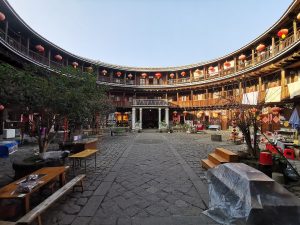
Most visitors day-trip from Chongqing. Staying overnight changes the place. The tour buses leave by four, the gates lock, and the mountain exhales. Guesthouses cluster in the old streets near the river — concrete boxes with thin walls and hot water that runs brown for the first minute. Ask for a room facing the water. At night the cruise ships pass like floating lanterns, their decks lit for dinner parties. In the morning, the call to prayer from the temple drifts down before the first tourist footsteps. That hour, when the incense smoke hangs low and the vendors are just unfolding their tarps, is the only time the Ghost City feels like it belongs to the ghosts.