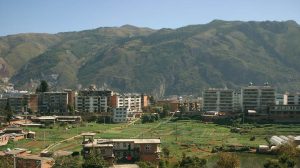
The minibus lurches around a hairpin bend on the G76, and the mist clinging to the Wuyi foothills finally breaks. Below, the Zhang River cuts a brown ribbon through a basin of gray-tile roofs and concrete towers. A vendor at the rest stop waves a bag of fried tofu puffs, steam curling into the cool autumn air. This is the gateway to southern Jiangxi — Ganzhou, where the Hakka heartland meets the transport corridors linking the coast to the interior.
Finding Your Feet in the Old Town
Start where the city began. The Song Dynasty city wall still hugs the peninsula where the Gong and Zhang rivers converge. Most visitors enter through the Gongchen Gate, but the quieter stretch near the Zhang River side lets you walk the ramparts without the selfie-stick crowds. Inside, the lanes of the old town follow a grid that hasn’t changed since the Ming. Look for the brass plaques embedded in the cobblestones — they mark the former homes of imperial scholars.
The City God Temple sits at the intersection of two pedestrian streets. Incense smoke thickens the air around the main hall, where merchants still leave envelopes of cash for prosperity. Behind the temple, a narrow alley opens onto a courtyard where an elderly woman hand-pulls noodles over a gas burner. Order a bowl of mi fen with pickled mustard greens and a spoonful of chili oil. Eat standing at the counter; the broth remembers every hand that stirred it.
Hakka Architecture Beyond the Tourist Loop
Thirty kilometers southwest, the Weilong Hakka Enclosed House in Longnan County sits half-swallowed by bamboo. Unlike the polished tulou of Fujian, this one still houses three generations. The patriarch’s grandson runs a tea stall in the central courtyard. He’ll pour you a cup of oolong from a cracked clay pot and point out the gun ports above the inner ring — reminders of bandit raids that lasted into the Republican era.
If you have a full day, hire a driver for the loop through Xunwu and Anyuan. The roads climb into tea terraces where women in indigo headscarves pluck leaves into bamboo baskets. At a roadside shed, a farmer weighs fresh bamboo shoots on a hanging scale. Buy a kilo, and he’ll throw in a handful of dried chili peppers. The best meals happen at farmhouses where the host cooks the shoots with smoked pork belly in a blackened wok over wood fire.
River Time and Mountain Air
The Zhang River isn’t scenery — it’s infrastructure. Before the high-speed rail, timber rafts floated down from the mountains to the shipyards. Today, a flat-bottomed ferry still shuttles workers across at 6 a.m. and 6 p.m. Ride the evening crossing. The current smells of silt and diesel. On the far bank, a night market sets up under banyan trees: grilled squid on skewers, stinky tofu in bubbling oil, piles of lychee in early summer.
For altitude, head to Chongyi Grand Canyon. The boardwalk clings to the cliff face above a slot canyon where the river roars invisible below. In the rainy season, waterfalls spray the railings. In the dry months, you can descend a steel ladder to the streambed and hop across boulders to a pool the color of jade. Wear shoes with grip. The rocks are slick with moss, and the clinic in the county town treats twisted ankles every weekend.
Eating Like a Local
Hakka food in Ganzhou leans salty, oily, and preserved — flavors built for laborers who burned calories in the fields. The signature dish is niang tofu: tofu triangles stuffed with minced pork, pan-fried until the edges lace, then braised in soy, ginger, and fermented bean paste. A proper version arrives in a clay pot still bubbling, the tofu trembling like custard.
- Home method: Press firm tofu for twenty minutes. Cut a slit in each piece. Mix ground pork with minced water chestnut, soy sauce, white pepper, and an egg white. Stuff the pockets. Pan-fry in peanut oil until golden. Add garlic, ginger, doubanjiang, stock, and a splash of rice wine. Simmer fifteen minutes. Finish with scallion and a drizzle of sesame oil.
- Restaurant ordering: Ask for “老式酿豆腐” (old-style stuffed tofu). Avoid places that serve it in clear broth — that’s the Cantonese adaptation. The sauce should cling, not swim.
- Beginner mistake: Ordering steamed fish with ginger and scallion. Here, the fish comes salt-cured and steamed with fermented black beans and pork fat. The bones are soft enough to eat.
Breakfast is rice noodle rolls rolled around youtiao, doused in peanut sauce and chili. Lunch might be a bowl of gan mian — dry-tossed alkaline noodles with minced pork, pickled radish, and a raw egg yolk stirred in at the table. Dinner ends with a pot of herbal tea brewed from five-flavor berry and chrysanthemum, served lukewarm in tin cups.
Moving Around Without Losing Time
The high-speed rail station sits twenty kilometers north of the old town. A taxi takes forty minutes in light traffic; the airport bus runs every half hour and costs a fraction. Inside the city, the metro Line 1 connects the station to the riverfront, but the real network is the fleet of electric mopeds. Download the local ride-hailing app — the green-icon one, not the national giant. Drivers know which alleys are one-way at which hour.
For the mountain counties, book a private car the night before through your guesthouse. Shared vans leave from the long-distance bus station when full, which could mean a two-hour wait. The drivers stop at a specific noodle shop halfway up the pass — they expect you to eat there. Refuse politely, and they’ll still wait, but the mood sours.
What the Guidebooks Skip
Locals don’t visit Longhu Mountain for the Taoist temples. They go for the bamboo raft ride through the Xianshuiyan gorge, where the boatman poles you past cliffs carved with calligraphy from the Tang dynasty. The rafts run from the third lunar month to the ninth. In winter, the water drops too low.
Don’t bring gifts of tea to a Hakka household unless you know the family’s preferred varietal. Better: a vacuum-packed slab of cured pork from the market, or a tin of roasted sunflower seeds. And never stick chopsticks vertically in rice — that’s for the ancestors. Lay them across the bowl.
The dialect barrier is real. Mandarin works in hotels and stations, but in the mountain villages, even the taxi driver may reply in Gan Southern. Learn three phrases: “多谢” (thank you), “唔该” (excuse me), and “食饱未” (have you eaten). The last one opens doors faster than any phrasebook.