The minibus from Xining shudders to a halt beside a row of shipping-container shops, and the door folds open onto air that feels like a hair dryer on its highest setting. Dust devils spin across the forecourt. A vendor in a sun-bleached cap hands me a warm bottle of barley tea through the window without a word. Three hours ago we were climbing through yellow rapeseed fields; now the horizon is flat, pale, and stippled with salt crust. This is Golmud — 2,890 meters up, the last real town before the railway lifts toward the Tanggula Pass and the Tibetan Plateau proper.
Getting there without losing a day
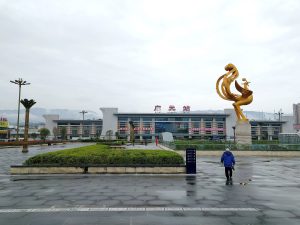
Flights from Xining land at Golmud Airport in ninety minutes, but the airport sits forty kilometers outside town and taxis queue only when a plane arrives. The overnight train from Xining — hard sleeper, twelve hours — deposits you at the station on the north edge of the grid at 7 a.m., which is convenient if you have a permit appointment at the Public Security Bureau first thing. Long-distance buses from Xining’s Xinning Road terminal run every hour in summer; they drop you at the south bus station, a ten-minute walk from the cluster of hotels that actually accept foreign passports. If you drive the Qinghai–Tibet Highway (G109), fuel up in Xining: the next reliable station is 300 kilometers out, and the wind can knock a loaded SUV sideways on the open flats.
The permit choreography
Foreigners cannot simply check in and wander. You need a Tibet Travel Permit (TTP) before you board any train or bus bound for Lhasa, and the only place to collect it in Golmud is the PSB entry-exit hall on Kunlun Road. The office opens at 9 a.m. and closes at 1 p.m., then reopens 2 p.m. to 5 p.m., Monday through Friday. Arrive on a Friday after lunch and you are stuck until Monday — no exceptions, no English-speaking staff after 4 p.m. Bring your passport, Chinese visa, the printed TTP approval letter your agency emailed, and two passport photos on a white background. The clerk stamps the original permit, hands you a copy, and you are free to board. Pro tip: ask your travel agency to courier the approved permit to your hotel in Xining so you can skip the Golmud PSB entirely and board the direct train.
Where to sleep when every lobby checks passports
Only a handful of hotels hold the foreign-guest license. The Golmud Kunlun Hotel on Beijing Road is the default: dated carpet, reliable hot water, and a front desk that knows the permit drill. A block west, the Home Inn Select on Qinghai Road is newer, quieter, and usually cheaper in shoulder season. Both require you to hand over your passport at check-in; they return it within twenty minutes after scanning the registration. Avoid the cluster of guesthouses near the south bus station — they will wave you off at the door. Book at least a week ahead in summer; the Kunlun fills with tour groups by the time the July monsoon breaks.
Eating in a town built on salt
Golmud’s cuisine is heavy on mutton, yak, and wheat because vegetables arrive by truck and cost double. The night market behind the Kunlun lights up at dusk with skewers, steamed buns, and bowls of hand-pulled noodles in bone broth. Here is what to order and how to cook a passable version at home.
- Yangrou chuan (羊肉串) — lamb cubes marinated in cumin, chili flakes, salt, and a splash of baijiu, threaded on steel skewers and grilled over charcoal until the fat sings.
- Niangpi (酿皮) — cold wheat-gluten noodles tossed with vinegar, garlic water, chili oil, and julienned cucumber; the texture should snap, not slump.
- Yak meat stew (牦牛肉炖土豆) — chunks of yak shoulder, potatoes, carrots, ginger, star anise, and a handful of dried tangerine peel simmered two hours until the broth turns amber.
Home method for yangrou chuan
- Cut 500 g lamb leg into 2 cm cubes. Toss with 1 tbsp ground cumin, 1 tsp Sichuan peppercorn powder, 1 tbsp chili flakes, 1 tbsp light soy sauce, 1 tbsp baijiu, and a pinch of salt. Marinate two hours in the fridge.
- Soak bamboo skewers thirty minutes. Thread five cubes per skewer, leaving a tiny gap between pieces.
- Heat a cast-iron grill pan until a drop of water dances. Lay skewers down, press gently. Cook three minutes per side, brushing with a little oil halfway through.
- Serve immediately with extra cumin-salt mix for dipping.
Common beginner mistake: buying pre-marinated supermarket skewers — they steam instead of sear, and the cumin tastes like sawdust. At restaurants, point to the raw skewers in the display fridge; if the meat looks gray, walk away.
Surviving the dry altitude
The elevation here is high enough to give you a headache if you sprint up the hotel stairs, but the real enemy is humidity that often sits below ten percent. Lips crack, nasal passages bleed, and contact lenses turn to plastic wafers by noon. Locals carry stainless-steel thermoses of hot water everywhere — not tea, just water — and sip constantly. Do the same. A travel humidifier the size of a fist plugs into a USB power bank and runs eight hours; it fits in a daypack and makes the hotel room bearable. Sunscreen SPF 50 is non-negotiable: the UV index hits 11 on clear summer days, and the reflected glare off the salt flats doubles the dose. Wear wraparound sunglasses or you will squint yourself into a tension headache before lunch.
Side trips that justify an extra night
If your permit arrives early and you have a half-day, hire a driver (¥400–600 for the day, negotiate before you get in) and head north.
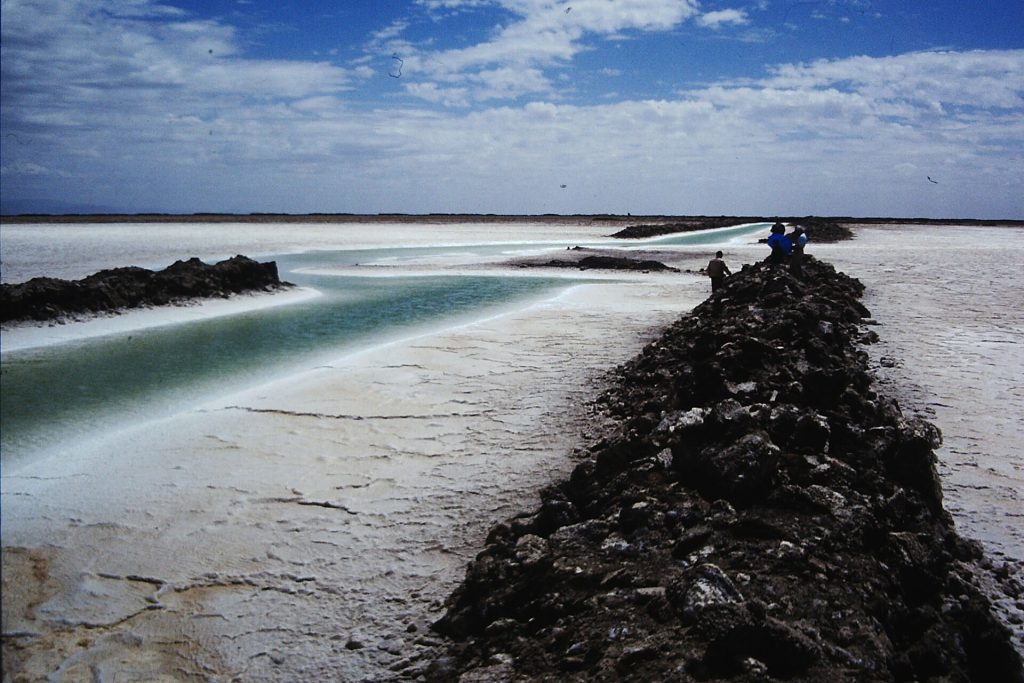
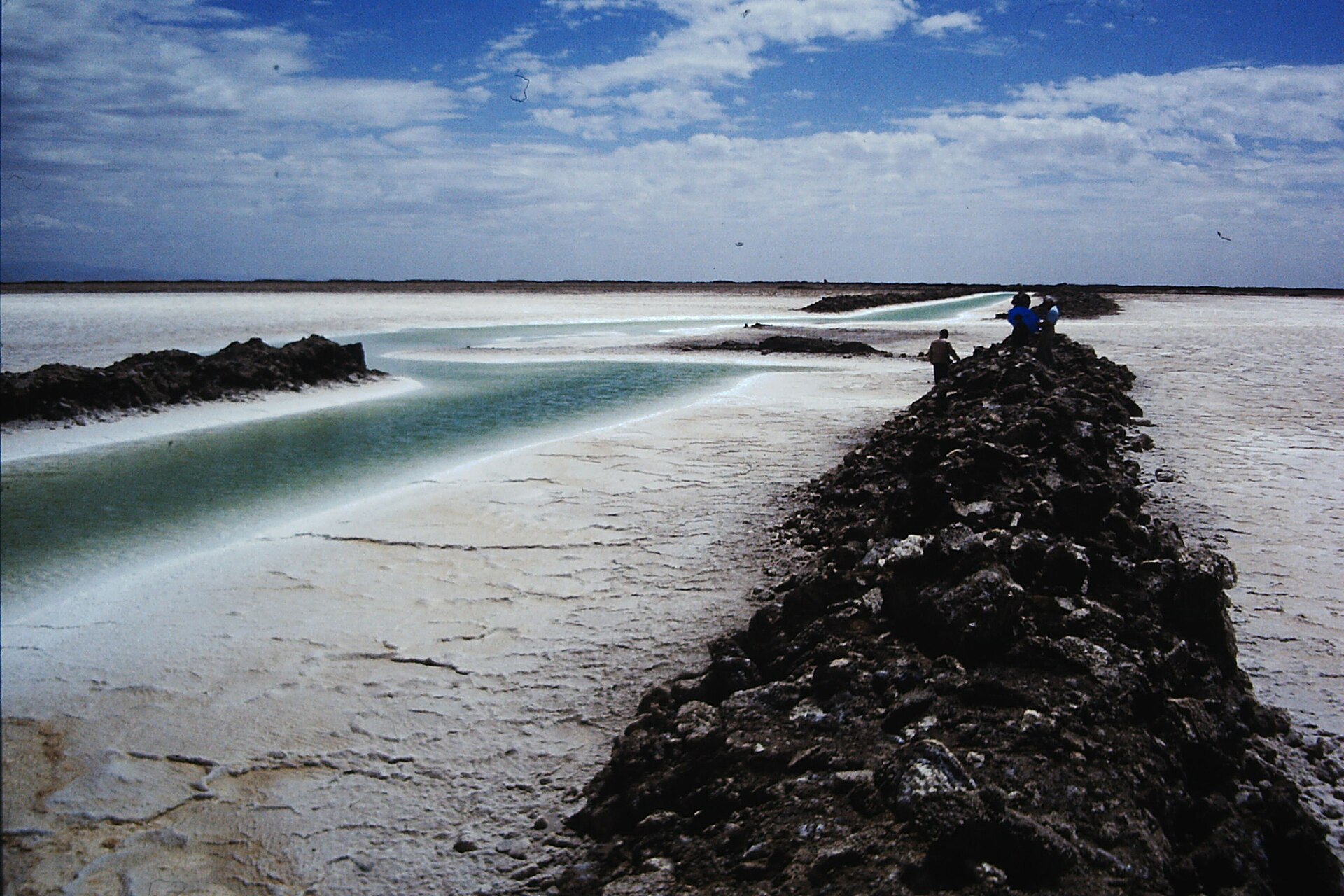
- Qarhan Salt Lake (察尔汗盐湖) — sixty kilometers out on the G109. The road crosses a crust so hard you could land a plane on it. Stop at the viewing platform: hexagonal salt polygons stretch to the Kunlun foothills. Mid-morning light gives the best contrast; by afternoon the haze flattens everything.
- Kunlun Mountain Pass (昆仑山口) — another forty kilometers past the lake. A stone marker at 4,767 meters marks the traditional gateway to the plateau. Wind howls through the prayer flags year-round. Oxygen canisters sold at the kiosk are overpriced; bring your own if you feel woozy.
- Dongtaijinaer Lake (东台吉乃尔湖) — pink water caused by halophilic algae. The color peaks in late summer. No boardwalk, just a dirt pull-off; watch for soft mud at the edge.
Drivers know the police checkpoints; they will slow down, roll down the window, and hand over a clipboard. Keep your passport in a shirt pocket, not buried in your pack.
Leaving town: train versus bus versus hitching a ride
The Qinghai–Tibet Railway runs one daily passenger service from Golmud to Lhasa (Z164/Z165 alternating), departing around 11 a.m. and arriving the following afternoon. Hard sleeper berths sell out weeks ahead in peak season; soft sleeper is easier to snag but costs triple. The bus station on Kunlun Road runs overnight sleepers to Lhasa (twenty hours, rougher ride, but you see the stars over the Tanggula). Some overlanders with their own vehicles coordinate convoy departures from the Kunlun Hotel parking lot — ask the front desk manager, who usually has a WeChat group for the week. If you are cycling, the shoulder of G109 is wide but the wind is relentless; carry four liters of water per person per day and a patch kit for goat-head thorns.
What locals expect and what trips up newcomers
Golmud runs on Han Chinese rhythms: breakfast at 7 a.m., lunch at noon, dinner at 6 p.m. Shops close for a two-hour siesta in the hottest part of the day. Mandarin is universal; Tibetan is rare in town but common among the truck drivers at the highway service areas. Tipping is not expected — rounding up the taxi fare by a few yuan is plenty. The biggest cultural misstep is treating the permit office like a tourist information desk. The officers are police, not guides. Speak only when spoken to, hand documents over with both hands, and never argue if they ask you to wait. Another trap: buying “Tibetan silver” jewelry from street vendors near the station. It is nickel alloy. Real silver comes from the state-run store on Beijing Road, and they will give you a receipt with a hallmark stamp.
When the train whistle finally cuts the dry air and the wheels catch the rails heading southwest, the salt flats fall away behind you. You have done the paperwork, survived the dust, and eaten lamb that still tastes of cumin smoke. Golmud has done its job — it held the door open.