The minibus shudders to a halt on the hairpin above the Nu River, engine coughing in the thin air. Through the open door comes the smell of pine resin and wet stone, and the sound of water rushing a thousand feet below. A woman in a indigo headscarf tosses a sack of rice onto the roof rack, shouts something in Lisu to the driver, and climbs inside. The door slides shut. We lurch forward, tires biting gravel, heading deeper into the canyon where the map just shows squiggly lines.
Getting There: The Road Is the Destination
There is no airport in Gongshan. The nearest runway sits in Shangri-La, four bone-rattling hours north on a good day, or you fly into Baoshan and chase the Nujiang south. Most travelers arrive by bus from Liuku, the prefecture seat. The 7:00 AM departure from Liuku’s dusty station is the only reliable slot; tickets cost around seventy yuan and buy you a vinyl seat on a coach that has seen three decades of mountain roads. The ride takes seven to eight hours if the slopes hold. Summer monsoons turn the highway into a gamble — landslides can park you for half a day while excavators chew through mud. Pack water, peanuts, and patience. A private driver from Liuku cuts the stress but costs five times the bus fare; negotiate hard and confirm the vehicle has decent tires.
From the north, the route down from Bingzhongluo is shorter — two to three hours — but the road clings to cliffs that make your palms sweat. Minibuses leave Bingzhongluo’s main junction whenever they fill up, usually hourly from dawn until early afternoon. If you miss the last one, you’re sleeping in a guesthouse courtyard listening to the river.
Cikai Town: Base Camp at 1,500 Meters
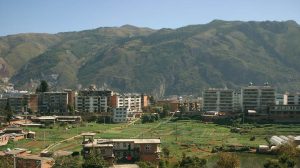
The county seat, labeled Gongshan on signs but called Cikai by locals, sprawls along a river terrace where the N’Mai meets the Nu. Prayer flags snap above the market square. Tibetan-style wooden facades lean beside concrete blocks. The population hovers around fifteen thousand — Lisu, Nu, Dulong, Tibetan, and a handful of Han shopkeepers. Sunday market spills onto the main street: baskets of ferns, strings of smoked pork, chunks of yak cheese, and the occasional live chicken tied by the leg. It’s the place to top up phone credit, buy a SIM if yours doesn’t roam, and eat a bowl of hand-pulled noodles in beef broth before heading out.
Accommodation clusters near the bus station and the river bridge. The Gongshan Hotel (the one with the faded blue sign) has clean rooms with hot water most of the time. Family guesthouses down the alley behind the market charge eighty yuan for a double, shared squat toilet, and a grandmother who wakes you with butter tea at six. No online booking — just show up, smile, and point at your pack.
Trekking the Biluo Snow Mountains
The Biluo range forms the western wall of the valley. Trails here are not marked on apps; they are footpaths used by herders and mule trains. A classic three-day loop starts from Qiunatong village, thirty kilometers north of Cikai. Day one climbs through oak and rhododendron forest to a yak herder’s stone shelter at 3,200 meters. Day two crosses a scree pass where snow lingers until early summer, then drops into a hidden valley dotted with alpine lakes. Day three follows a rushing stream back to the main road near Dulongjiang township. You need a local guide — not optional. The Lisu guides in Qiunatong know which ridges avalanche, where the water is drinkable, and which caves shelter leopards. Arrange through the village headman; two hundred yuan a day covers guide, mule, and his meals. Bring your own tent, stove, and high-calorie snacks. There are no huts with blankets.
- Hire guide in Qiunatong — ask for Ah Liang or his cousin; they speak basic Mandarin.
- Buy rice, dried yak meat, tsampa, and chocolate in Cikai market the day before.
- Pack four-season tent, down bag rated to minus ten, waterproof boots, gaiters.
- Start walking by 7 AM; afternoon clouds bring lightning on exposed ridges.
- Register your route at the Qiunatong police checkpoint; they radio your expected return.
Dulong Valley: The Road That Opens Once a Year
Dulongjiang township sits beyond the Gaoligong Mountains, connected to Gongshan by a single highway carved through a tunnel that took two decades to finish. The tunnel opens to civilian traffic only during the dry season — roughly the tenth lunar month through the third lunar month. Outside that window, snow and rockfall seal it completely. If you arrive in the wrong month, no amount of pleading gets you through; the checkpoint guards have heard every story.
When the road is open, a daily minibus leaves Cikai at 6:30 AM, bouncing through the tunnel’s dim fluorescence into a valley that feels like another planet. The Dulong people live in wooden houses raised on stilts, their faces weathered by wind. Women still tattoo traditional patterns on their chins, though fewer each year. The river here runs milky turquoise from glacial flour. You can hike from the township to the Myanmar border post in two days, following a trail used by mule caravans carrying tea and salt. No permit for the border zone — just your passport and a polite explanation at the army outpost. They’ll stamp a temporary pass if the captain is in a good mood.
Bingzhongluo: Where the River Bends
Forty kilometers north of Cikai, the Nujiang makes a horseshoe turn around a patchwork of barley fields and walnut groves. Bingzhongluo village sits in the crook. A Catholic church with a Tibetan-style roof towers over the square — built by French missionaries in the 1920s, burned during the Cultural Revolution, rebuilt by villagers using stones from the original foundation. Sunday mass draws Lisu families in traditional dress, hymns sung in four-part harmony echoing off the cliffs. Downstream, a suspension bridge sways over water the color of jade. Walk across at dusk when the light turns the canyon gold. Guesthouses here are simpler than Cikai: wooden floors, bucket showers, hosts who press homemade walnut wine into your hands. Stay two nights. Walk the irrigation channels at dawn. Listen to the old men playing the qiben lute on the church steps.
What Newcomers Get Wrong
They assume the bus schedule is fixed. It isn’t — landslides, weddings, and pig markets all rewrite the timetable. They pack light jackets for “Yunnan” and freeze at 3,000 meters when the wind howls off the glaciers. They point cameras at tattooed elders without asking; a nod and a smile buys permission, a raised lens without eye contact buys a turned back. They try to “do” Dulong Valley as a day trip from Cikai — impossible when the tunnel closes at 4 PM and the return bus leaves at 7 AM. They expect English menus. Menus are handwritten Chinese characters on a whiteboard; learn the characters for beef, potato, and “not spicy” or point at what the table next to you is eating. They forget cash. The last ATM that accepts foreign cards sits in Liuku. In Gongshan, the machine swallows cards and dispenses only yuan to local unionpay holders. Bring enough red notes to cover a week.
They also underestimate the altitude. Cikai feels mild at 1,500 meters, but every trek climbs fast. Headaches hit the second night. Diamox helps if you start it before you ascend; the county clinic in Cikai sells strips of ten for twenty yuan, no prescription. Drink three liters of water a day. Eat the yak butter tea even if it tastes like salty soup — calories at altitude are survival, not pleasure.