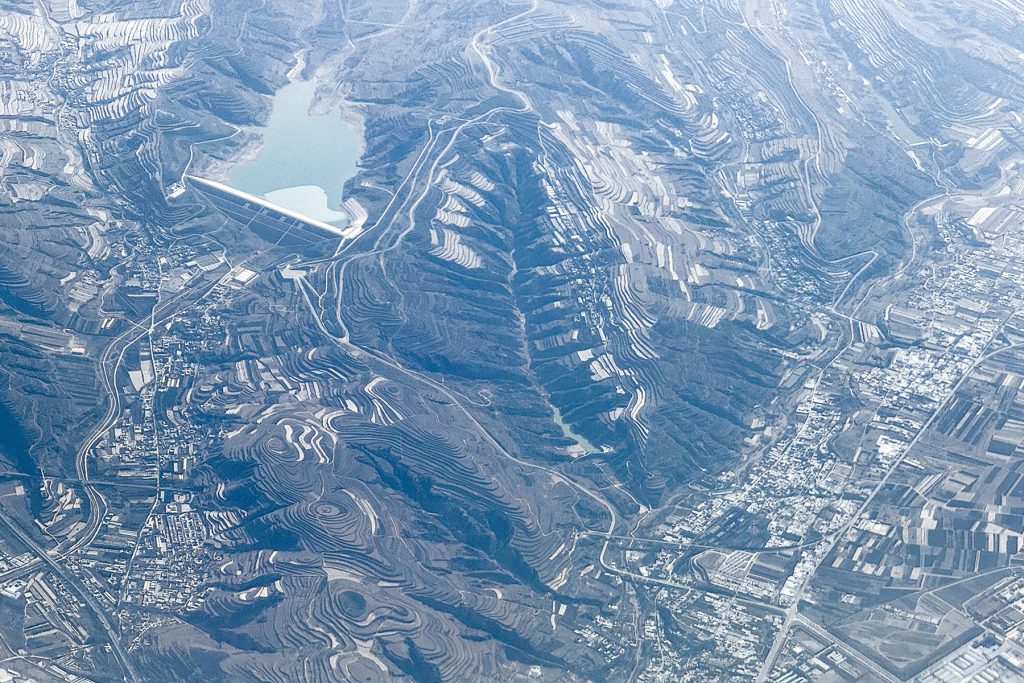
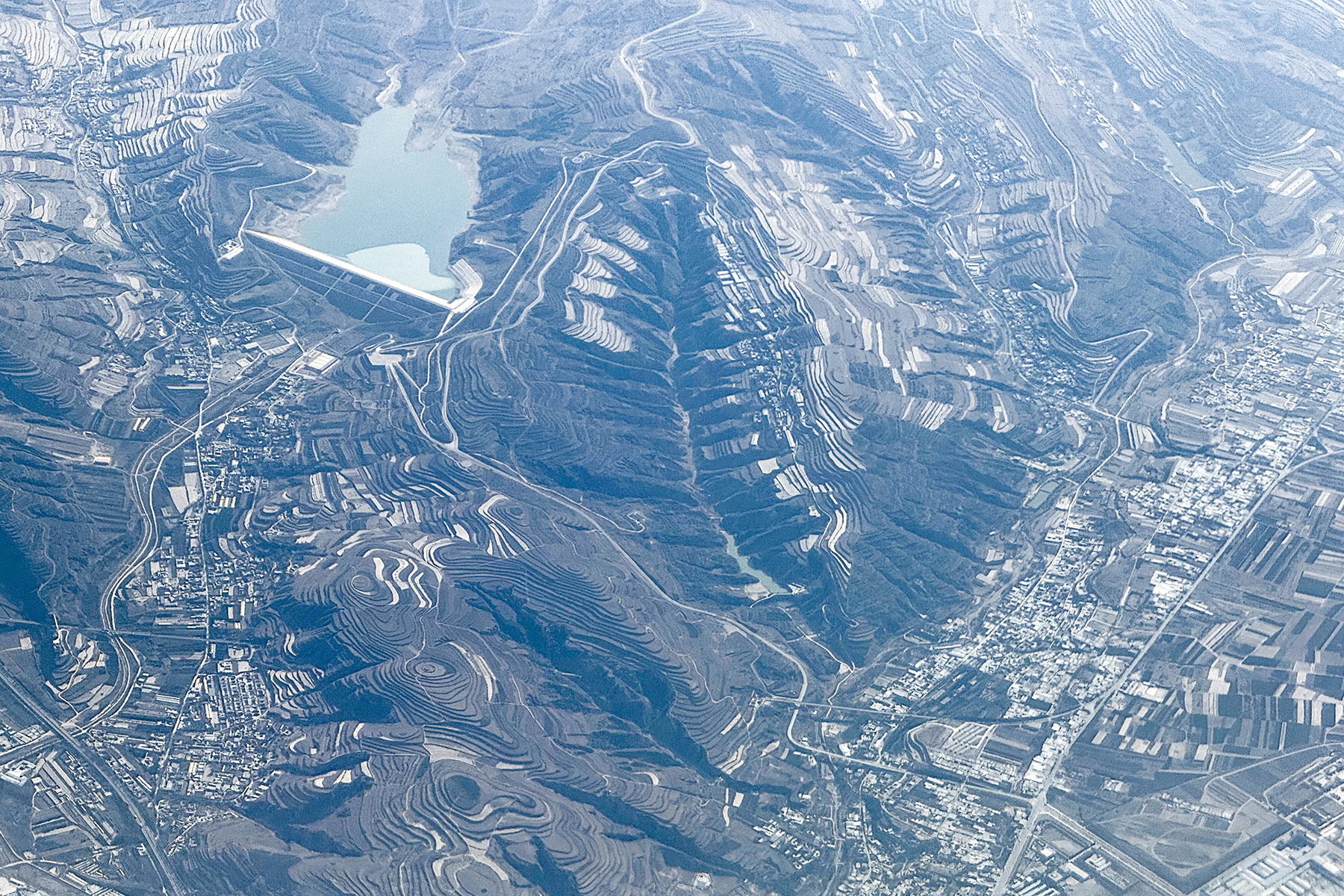
The minibus from Yinchuan drops you at the west end of Zhongshan Street just as the late autumn sun turns the Loess Plateau gold. A vendor waves a steaming pot of lamb broth, hand‑pulled noodles dangling from his chopsticks. You eat standing, watching electric scooters zip past the grey brick walls of the old quarter. This is Guyuan: a Silk Road waypoint that still feels like a working town, not a theme park.
Getting there without a headache
Trains pull into Guyuan Railway Station about three kilometres east of the centre. The overnight from Xi’an takes roughly eight hours; the high‑speed link from Lanzhou is closer to four, but the conventional sleeper still runs and costs less. If you prefer wheels, the long‑distance bus station sits west of Zhongshan Street. Buses from Yinchuan South Terminal leave every hour from dawn until early evening and cover the 180 kilometres in about four hours. Taxis cluster outside both hubs; agree on a flat 20‑yuan ride to the city core before you load your pack.
Moving around the valley
City buses 2, 3, 5, 6 and 9 connect the station, the museum and the main hotels for one yuan a ride. Drivers rarely speak English, so have the Chinese name of your stop saved on your phone. For the grottoes and mountain parks, hire a private car for the day — 300 to 350 yuan including waiting time — or join a shared van that leaves from the square in front of the museum when it fills. Bike‑share docks appear near the university campus, but the hills and gritty shoulders make cycling a workout, not a pleasure ride.
What to see and how to see it
Xumi Mountain Grottoes — Arrive at 9 a.m. when the ticket office opens. The eastern cliff face holds more than 130 caves carved from Northern Wei through the Ming. The giant Maitreya in Cave 45 catches the morning light; bring a headlamp for the deeper niches where pigment still clings. Allow two hours. Wear sturdy shoes — the stone steps are uneven and dusty.
Guyuan Museum — Free entry, closed Mondays. The Silk Road gallery displays a Sogdian silver gilt ewer, Tang tri‑colour figurines and a surprisingly intact Western Xia Buddhist sutra. English captions are sparse; download a translation app beforehand. The building is air‑conditioned — welcome relief in high summer.
Liupan Mountain Forest Park — The main ridge tops 2,900 metres. A cable car hauls you to the summit in ten minutes; from there a boardwalk loops past alpine meadow and a Red Army memorial pavilion. In late spring the rhododendrons bloom purple; in early autumn the larch needles turn amber. Pack a windbreaker — temperature drops ten degrees at the top.
Huoshizhai National Geopark — Red sandstone hoodoos rise like organ pipes from the valley floor. A marked trail circles the main amphitheatre in ninety minutes. Go late afternoon when shadows deepen the colour; the park empties out after 5 p.m. and the light is photographer‑grade.
Xiaoguan Ruins Cultural Park — Low earthen walls trace a Han‑dynasty frontier pass. Not much stands above ground, but the on‑site exhibition explains the beacon‑tower network that once flashed warnings to Chang’an. Good for a quiet half‑hour walk if you’ve already done the grottoes.
When to show up
Late spring (the third and fourth lunar months) brings mild days, wildflowers on Liupan, and fewer domestic tour groups. Early autumn (the eighth lunar month) offers crisp air, golden poplars along the river, and the grape harvest in nearby villages. Winter is bitter — daytime highs often stay below freezing — and many mountain trails ice over. Summer sees sudden thunderstorms that can close the grotto paths for hours.
Two‑day rhythm for a first visit
- Morning: Xumi Mountain Grottoes — beat the tour buses.
- Lunch: Hand‑pulled noodles with lamb broth at a stall near the grotto parking lot.
- Afternoon: Guyuan Museum — cool down, study the Silk Road artifacts.
- Evening: Stroll Zhongshan Street night market — grilled lamb skewers, cold liangpi noodles, sweet fermented rice.
- Next morning: Liupan Mountain cable car and summit loop.
- Midday: Picnic on the ridge (buy baozi and fruit in town before you go up).
- Late afternoon: Huoshizhai for sunset light on the red cliffs.
- Dinner back in town — hotpot with local goji berries and Ningxia wine.
What locals expect and where newcomers stumble
Guyuan is Hui‑majority; halal signs hang on almost every restaurant. Don’t order pork or alcohol in a halal eatery — it’s considered rude, not just a dietary choice. When you enter a mosque courtyard, remove your hat and speak low; women should cover hair with a scarf. Tipping isn’t customary — round the taxi fare up to the nearest yuan and call it done. Mandarin works everywhere, but a few words of the local dialect (“zǎo” for good morning, “xièxie” for thanks) earn smiles. Finally, carry cash. Mobile pay dominates in Yinchuan, but many small stalls and mountain‑park ticket windows still only take notes.