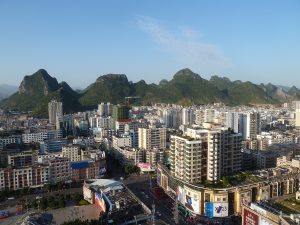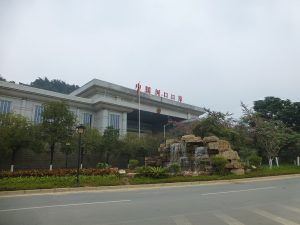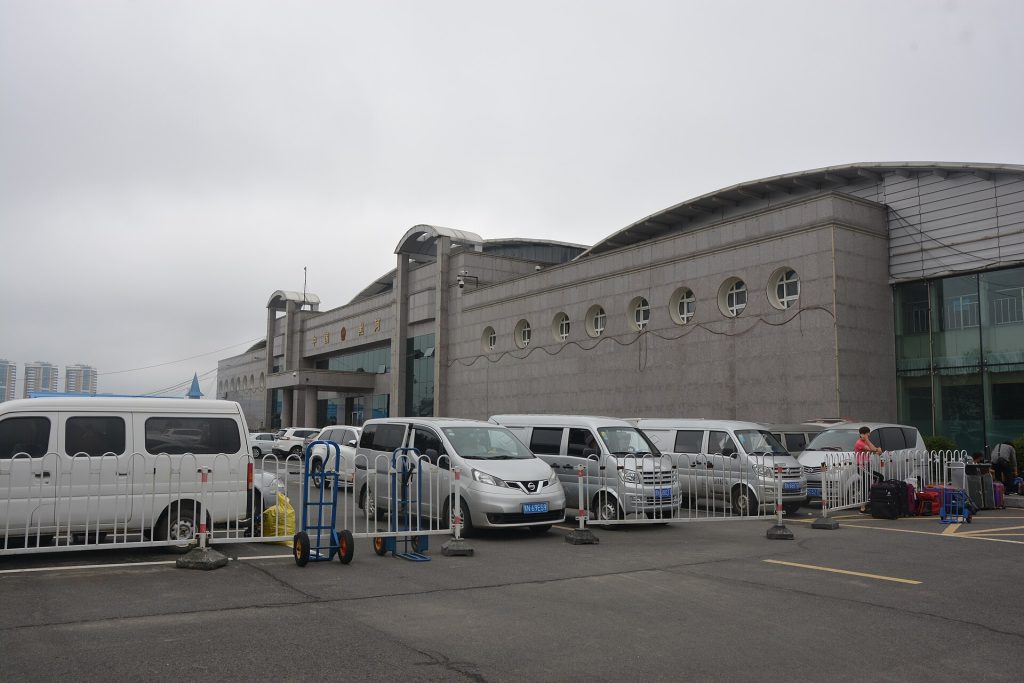
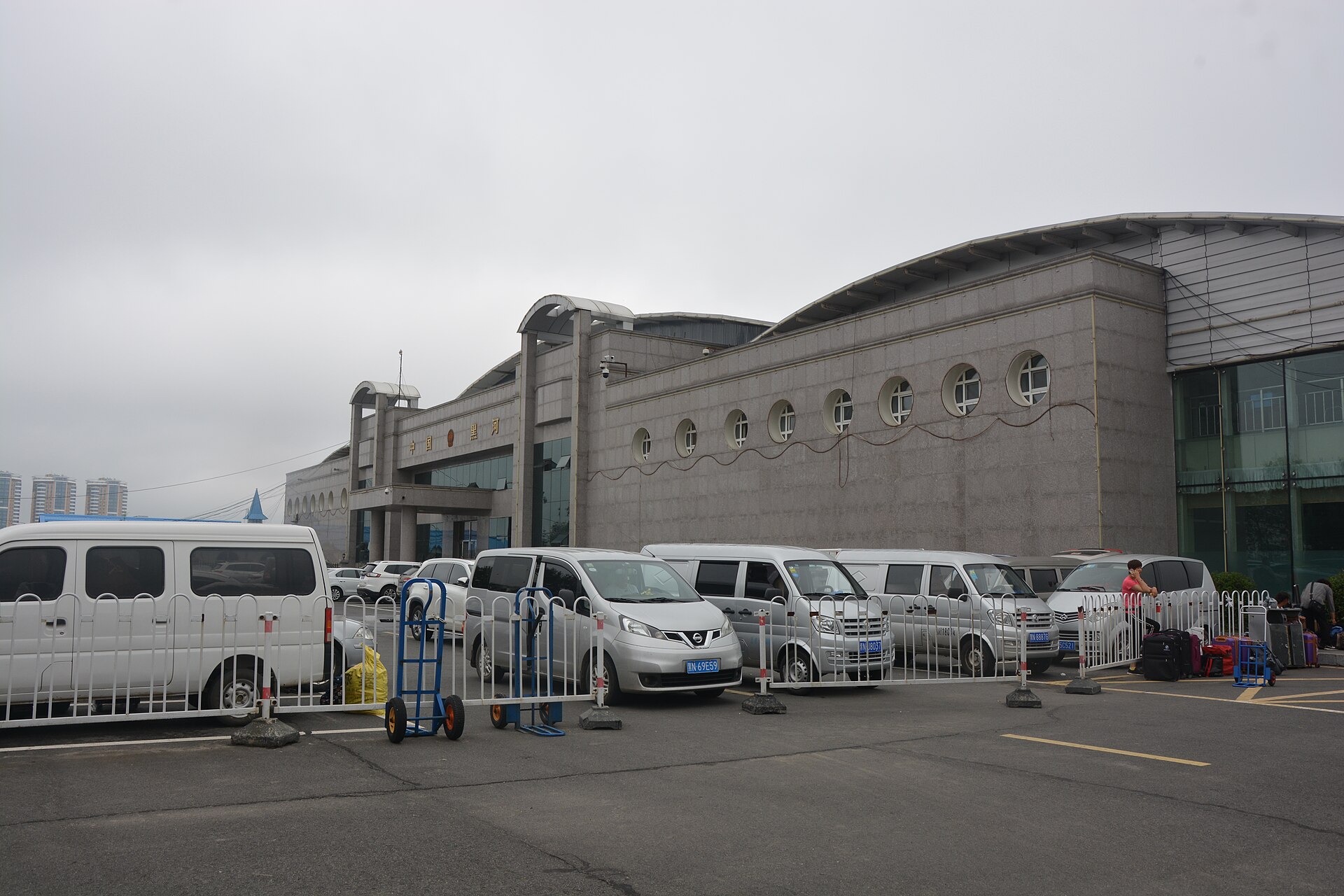
The river steam is thick enough to hide the opposite bank on a cold November morning. I stand on the Heihe promenade with a paper cup of liangcha, watching a Russian icebreaker churn a path through the frozen Heilongjiang. Across the water, Blagoveshchensk’s onion domes catch the pale sun. This is not a place you pass through. It is a place where you watch two countries breathe the same air.
Getting There Without a Headache
Fly into Heihe Aihui Airport from Harbin if your schedule is tight. The flight is barely an hour. A taxi from the terminal to the riverfront runs about sixty yuan and takes thirty minutes if the driver knows the shortcut through the industrial park. If you have time, take the overnight train from Harbin. The hard sleeper costs a fraction of the airfare and deposits you at Heihenan Station just as the sky turns gray. From the station forecourt, bus 1 or a shared ride gets you to the central hotel cluster in twenty minutes.
Crossing the border is the main event. In deep winter, the river freezes solid and a temporary road opens. Minibuses queue at the Chinese checkpoint; you hand over your passport, walk the length of a football field over ice, and step into Russia. Summer means the hovercraft. It skims the brown water in five minutes, spraying mud onto the windshield. Book the return ticket the moment you land in Blagoveshchensk — seats vanish fast when a tour group arrives.
The Russian Market: What to Buy, What to Skip
The market sits three blocks back from the river, under a blue metal roof that rattles in the wind. Vendors shout in a mix of Mandarin and Russian. The smell hits you first: smoked fish, cured sausage, raw timber, and the sharp tang of vodka samples poured into plastic caps.
- Chocolate: Look for the red-wrapper “Alenka” bars and the foil-wrapped “Mishka Kosolapy” bears. They taste of real cocoa butter, not vegetable oil.
- Condensed milk: The blue-and-white cans labeled “Sgushchenka” are thicker than the domestic version. Good for tea or eating with a spoon.
- Sea buckthorn oil: Small dark bottles, cold-pressed. Locals rub it on windburned cheeks.
- Birch sap: Clear glass jars, slightly sweet, slightly woody. Drink it cold.
- Matel dolls: Only buy the ones painted in Sergiev Posad style — five nested dolls, each holding a rooster. The cheap six-piece sets with printed faces fall apart in a week.
Skip the “antler velvet” powders and the jars of “ginseng wine” with a whole root floating inside. Customs on both sides will confiscate them. Pay cash in yuan; vendors give a better rate than the card terminal. Haggle by picking up an item, naming a price twenty percent lower, and walking toward the exit. They usually call you back.
Blagoveshchensk Views: The Best Spots to Stare
Heihe’s riverfront park stretches two kilometers. The prime viewing platform is the square in front of the Heihe History Museum — a modern glass box shaped like a ship’s prow. Arrive at 4 p.m. in winter. The sun drops behind the Russian shore, gilding the cathedral spires and the cluster of high-rises that climbed the hill after 2010. A row of coin-operated binoculars lines the railing. Two yuan buys ninety seconds. Focus on the ferry dock: you can see passengers hauling wheeled suitcases up the gangway, tiny as ants.
For a quieter angle, walk north past the amusement park ferris wheel to the old customs wharf. The pilings are rotted, but the concrete steps still descend to the ice. Fishermen drill holes here in January, pulling up carp the length of your forearm. They’ll share a swig of baijiu if you ask about the bite.
Eating Where the Truck Drivers Eat
Skip the hotel buffet. Follow the smell of cumin and charcoal to the lane behind the long-distance bus station. A row of open-front shacks serves dongbei cuisine heavy on pork, cabbage, and hand-rolled noodles.
- Guo bao rou: Pork tenderloin sliced thin, battered, fried, tossed in a vinegar-sugar sauce that crackles when it hits the wok. Eat it the second it lands on the plate or the crust softens.
- Di san xian: Potato, eggplant, and green pepper braised until the edges melt. The sauce clings to rice.
- Stewed fish: Whole carp, head on, simmered with pickled cabbage, vermicelli, and dried chili. The broth turns milky. Lift the lid, spoon broth over rice, pick meat from the bones with chopsticks.
- Dumplings: Pork and sour cabbage filling, boiled, served in a bowl of the cooking water with a splash of black vinegar and chili oil.
Order by pointing at the picture menu on the wall. A meal for two with beer costs under a hundred yuan. The owner will refill your tea without asking. Leave the bones on the table; that’s the local signal you’re done.
What Newcomers Get Wrong
First, they assume the border is open twenty-four hours. The pedestrian gate closes at 5 p.m. in winter, 6 p.m. in summer. The hovercraft stops an hour earlier. If you miss the last crossing, you sleep in Heihe — hotels near the port fill by noon.
Second, they bring only a Chinese visa. A day trip to Blagoveshchensk requires a Russian visa or an e-visa issued before you leave your home country. The e-visa takes four business days. Apply for the “Far East” region specifically. No visa, no boarding pass, no exceptions.
Third, they pack light jackets. January wind off the river cuts through fleece. You need a down coat rated for minus thirty, insulated boots, and a face mask. Locals wear mink collars pulled up over their ears. Copy them.
Fourth, they try to change rubles at the Heihe bank branches. The spread is brutal. Bring crisp hundred-yuan notes. The market money changers — women with calculators tucked into their sleeves — give rates within one percent of the official midpoint. Count the rubles twice before you walk away.
Fifth, they photograph the border guards. The signs in Chinese, Russian, and English are explicit: no cameras within fifty meters of the checkpoint. A guard will delete your photos and may detain you for an hour. Keep the phone in your pocket until you’re on the hovercraft deck.
Seasonal Rhythms
Winter is the season of ice. The river becomes a highway. Trucks haul timber south; sleds zip between the cities. The Ice and Snow Festival lights the promenade with sculptures — dragons, palaces, a replica of the Blagoveshchensk cathedral — all carved from blocks harvested upstream. Temperatures hover around minus twenty. Hotels run full. Book a month ahead.
Spring brings the thaw. The river turns into a slurry of jagged plates. No crossing for three weeks. The market thins out. This is the time to hike the hills behind Aihui Ancient City, where the Qing dynasty signed the Treaty of Aigun. Wild apricot blossoms pink the slopes.
Summer is humid, mid-twenties, thunderstorms rolling off the Mongolian steppe. The hovercraft runs hourly. Russian families cross for Chinese barbecue and cheap electronics. The night market sets up along the river: grilled squid, lamb kebabs, mung bean jelly noodles. Mosquitoes swarm at dusk. Bring repellent.
Autumn is crisp, clear, and short. The birch forests on the Russian bank turn gold. The best week to visit is the one after the Mid-Autumn Festival — crowds gone, water calm, binoculars still on the railing. You can hear the church bells from Blagoveshchensk carry across the water when the wind dies.