The minibus shuddered to a halt on a hairpin bend somewhere above Luotian County, the driver gesturing at a sea of cloud spilling over the Dabie ridges. I had come for the hiking, but the first thing that hit me was the smell — wet pine, woodsmoke, and something floral blooming beside the guardrail. That morning in Huangzhou District, I had eaten a bowl of hot dry noodles so slick with sesame paste it coated my fingers. By noon I was watching an old man in a straw hat stir a pot of tea oil over an open fire at a trailhead shack. Huanggang does not announce itself. It simply feeds you, then leads you uphill.
Getting Oriented in the River City
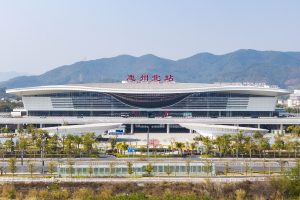
Huanggang sits on the north bank of the Yangtze, opposite Ezhou, and the river dictates the rhythm. The old urban core — Huangzhou District — clusters around the ancient city wall gates where Su Dongpo once walked in exile. Most visitors land at Wuhan Tianhe Airport, then take the high‑speed train twenty minutes to Huangzhou Station. From the station square, city buses fan out to the counties: Tuanfeng to the west, Xishui southwest, Luotian and Yingshan north into the mountains. Taxis are plentiful, but the ride‑hailing apps work better if you have a Chinese phone number. If you arrive in the wet season, the riverbank promenade floods; locals simply move their morning tai chi to the elevated plaza behind the museum.
Dabie Mountains: Where the Trails Begin
The Dabie range forms the spine of northern Huanggang. Tiantangzhai, the main peak straddling the Hubei‑Henan border, draws the crowds, but the quieter approaches from Luotian and Yingshan reward patience. I started at the Luotian entrance, where a stone arch marks the trailhead beside a vendor selling vacuum‑packed bamboo shoots. The first two kilometers climb through managed fir plantation — straight trunks, needle carpet, almost no birdsong. Then the forest opens to mixed broadleaf: chestnut, oak, and the occasional ginkgo turning gold in the ninth lunar month.
At the 1,200‑meter saddle, a ranger station sells instant noodles and rents walking sticks. From there, the ridge walk to the summit takes another ninety minutes. The path narrows to a single file of stone steps bolted into the cliff. Clouds rise from the valleys like breath. On a clear day you can see the Yangtze glinting two hundred kilometers south. Most hikers descend the same way, but a lesser‑known loop drops toward Yingshan through a gorge of waterfalls — seven named cascades, each with a small shrine. Carry two liters of water; the mountain springs taste sweet but run dry after the autumn equinox.
Food That Travels With You
Huanggang cuisine leans salty, smoky, and slightly sour — flavors that survive long journeys in a cloth bundle. The signature dish is Huangzhou Dongpo Pork, named for the poet who supposedly invented it while banished here. The cubes of pork belly are braised until the fat turns translucent, the skin quivering like jelly, the sauce reduced to a dark lacquer. You eat it with steamed mantou, tearing the bread to scoop the gel. In the markets of Xishui, I watched a vendor press fresh tofu sheets around minced pork, wood ear, and pickled mustard greens, then pan‑fry the parcels until the edges lace brown. They call it “golden pocket.”
Home‑Style Dongpo Pork
- Pork belly, skin on — 1 kg, cut into 4 cm cubes
- Ginger — 3 thick coins, smashed
- Scallion — 2 stalks, knotted
- Shaoxing wine — 120 ml
- Light soy sauce — 60 ml
- Dark soy sauce — 15 ml
- Rock sugar — 50 g
- Water — enough to cover the meat by 2 cm
Blanch the pork in cold water, bring to a boil, skim foam, drain. Heat a heavy clay pot, melt the rock sugar until amber, toss the pork to coat. Add ginger, scallion, wines, soy sauces, and water. Bring to a boil, then lower to the faintest bubble. Cover and simmer two and a half hours, turning once. The sauce should cling to a spoon. Let rest twenty minutes before serving; the flavor deepens overnight.
Ordering in a County‑Town Restaurant
Walk into any family‑run place in Tuanfeng or Xishui after the tenth lunar month and you will see a chalkboard listing “winter board” dishes: stewed mutton with radish, braised carp with fermented bean curd, stir‑fried wild greens gathered from the slopes. Point to the board; the owner will nod and ask how many bowls of rice. Do not ask for “less oil” — the oil carries the preserved chili and tea‑seed aroma that defines the region. If you are offered a small cup of clear liquor before the meal, sip it. It is usually homemade rice wine, low in alcohol but high in courtesy. Refusing outright can seem stiff; a token sip satisfies the ritual.
Beginner Mistakes on the Mountain
First, wearing city sneakers on the stone steps. The moss‑slick granite shreds soft soles in an hour. Second, starting the summit push after 10 a.m. in the warm season; thunderstorms gather over the peaks by early afternoon and the ridge becomes a lightning rod. Third, assuming every trailhead has a toilet — many do not. Carry a zip‑lock bag and tissue. Fourth, ignoring the lunar calendar. The week of the Mid‑Autumn Festival turns the mountain into a moving queue; accommodation prices triple and the narrow paths clog with selfie sticks. Finally, skipping the morning market in Huangzhou before you leave. The best dried bamboo shoots, smoked tofu, and chili paste are sold from bamboo baskets before the sun clears the rooftops. Buy them there, not at the tourist shop near the cable car.
Small Town Rhythms
In Yingshan, the tea harvest begins at the Grain Rain solar term. Families spread fresh leaves on bamboo mats in courtyards, turning them with bare hands. You can walk into any courtyard gate — most are unlocked — and the grandmother will wave you to a stool, pour a cup of the new green tea, and point to the hills where her grandchildren pick. No menu, no price list. You leave a red note in the donation box by the door. In Luotian, the chestnut roasters appear on street corners when the first frost hits. They turn iron drums over charcoal, the nuts popping like firecrackers. A paper cone costs a few yuan, warm against your palms as you wait for the night bus back to the station. The city does not need you to understand it. It only asks that you walk slowly, eat what is offered, and carry your trash down the mountain.