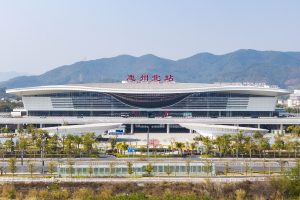
The minibus from Jiujiang Lushan Airport rattles over the bridge spanning the Yangtze, the brown water widening below until the opposite bank blurs into mist. Forty minutes later the driver pulls into the forecourt of Huangmei East Railway Station, where a knot of taxi drivers waves red flags and the scent of oil‑slicked chili from a nearby noodle stall cuts through the diesel fumes. This is the gateway to a county that sits at the knuckle of three provinces, where Hubei, Anhui, and Jiangxi meet along the river’s great eastward bend.
Getting There Without a Headache
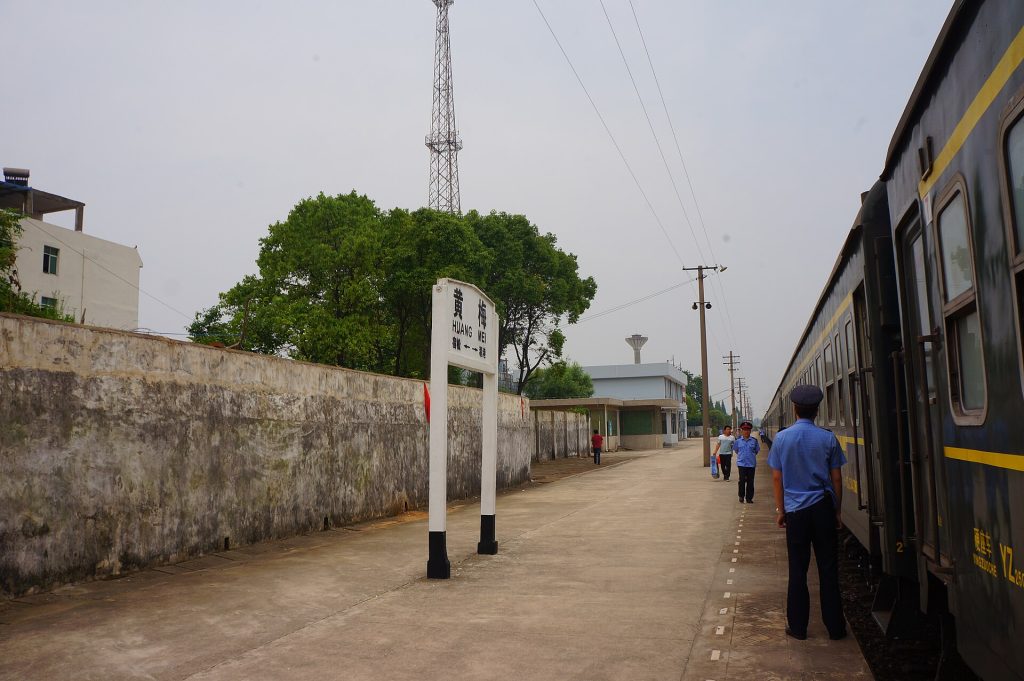
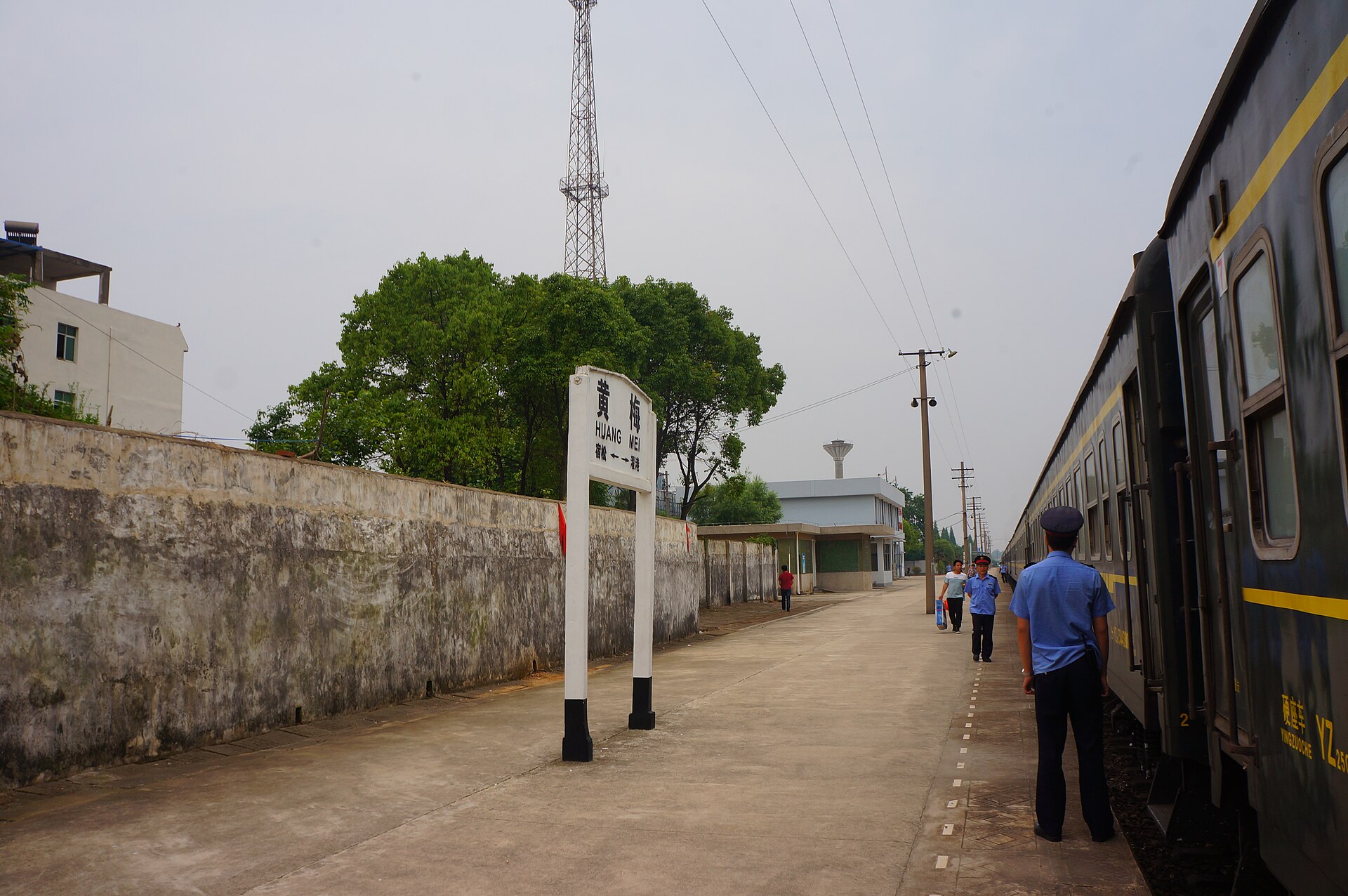
Fly into Jiujiang Lushan Airport if you are coming from Beijing, Shanghai, or Shenzhen; the airport sits in Chaisang District, roughly forty kilometers north of the county seat. A pre‑booked car costs about the same as two airport‑bus tickets and saves you the wait for a full shuttle. High‑speed rail is usually smoother: trains on the Hefei–Anqing–Jiujiang line stop at Huangmei East, putting you in the center of town in under two hours from Wuhan or Nanchang. The older Huangmei Station, a few kilometers west, still handles conventional Beijing–Kowloon services if you are riding a sleeper from the north. Long‑distance buses from Jiujiang’s main terminal run every half hour and drop you at the county bus station on Jiefang Road, a five‑minute walk from the river promenade.
Where to Drop Your Bag
Chain hotels cluster around the high‑speed station — clean, predictable, and loud with tour groups at breakfast. For a quieter night, walk ten minutes south to the lanes behind the Confucius Temple; a handful of family‑run guesthouses occupy renovated Qing‑era courtyard houses. Rooms have wooden lattice windows that frame the tiled roofs of the old quarter. Ask the host for a kettle of Huangmei green tea; they keep a ceramic jar of the spring harvest behind the counter. If you prefer a river view, the handful of mid‑scale hotels on Binjiang Avenue have balconies facing the shipping lights, but book early during the opera festival when every bed in the county is spoken for.
Two Days on Foot and Ferry
Start morning one at the Fifth Ancestor Temple (Wuzu Si) on Shuangfeng Mountain, twenty minutes by taxi north of town. The stone steps climb through bamboo groves to a hall where the Sixth Patriarch Huineng once pounded rice; the air smells of incense and damp moss. Descend by the same path and catch a shared van to the Huangmei Opera Museum on Culture Road — two floors of embroidered costumes, cracked vinyl records, and a short video of the “Picking Tea Song” performed in the local Ohe tone. Lunch is a bowl of hand‑pulled noodles topped with pickled mustard greens and a spoonful of chili oil at the canteen across the street.
Afternoon calls for the river. Walk the Binjiang promenade west until the pavilions thin out, then flag down a fisherman’s wooden launch for a twenty‑minute crossing to the sandbar island locals call “Little Anhui.” Vendors there grill river shrimp on charcoal, brush them with garlic‑soy glaze, and serve them on newspaper squares. Stay for sunset; the current catches the light and turns the water into beaten copper. Return by the last ferry, around six in the autumn, seven in summer.
Day two begins early at the county market on Jiefang Road. Stalls pile high with lotus root, water chestnuts, and the thumb‑sized Huangmei tangerines that appear only in late autumn. Buy a steamed bun stuffed with preserved vegetable and pork from the woman with the bamboo steamer strapped to her bicycle. Then hire an electric scooter — twenty yuan for the day — and ride the lakeside road east to the ruins of the ancient copper mine at Daye. The pit is flooded now, a jade pool ringed by slag heaps where wild mint grows. Pack a picnic; there are no shops beyond the village gate.
Eating Like a Local
Huangmei cuisine leans sour, spicy, and freshwater. The signature dish is “steamed mandarin fish with chopped chili” — whole fish laid on a bed of ginger threads, buried under a mountain of scarlet pickled chilies, then steamed until the flesh flakes white. Order it at any restaurant with a red lantern over the door; the best versions arrive in a black clay pot still bubbling. Another staple is lotus‑root starch pudding, served hot in a ceramic bowl with a drizzle of osmanthus syrup and a scatter of toasted sesame. For breakfast, hunt down a stall selling “oil tea”: puffed rice, fried dough twists, and peanuts tossed in a broth of tea, ginger, and salt. Drink it from a tin bowl while standing on the curb — that is how the county wakes up.
- Steamed mandarin fish — fresh mandarin fish, ginger, garlic, fermented chopped chili, soy sauce, scallion; steam twelve minutes over high heat.
- Lotus‑root starch pudding — lotus‑root starch, cold water, boiling water, osmanthus syrup, toasted sesame; stir vigorously until translucent.
- Oil tea — green tea leaves, ginger slices, salt, puffed rice, fried dough twists, peanuts; boil tea with ginger and salt, pour over dry ingredients.
Mistakes That Waste Time
First, assuming the high‑speed station and the old station are interchangeable — they are five kilometers apart and a taxi ride costs more than the train ticket if you get it wrong. Second, skipping the opera museum because “opera isn’t my thing.” The Ohe tone is essentially folk storytelling with a driving rhythm; the museum’s listening booths let you hear the difference between a tea‑picking aria and a comedic sketch in three minutes. Third, eating only at the hotel buffet. The alley behind the Confucius Temple has a row of open‑kitchen stalls where the menu changes daily; point at whatever looks glossy and steaming. Fourth, visiting the Fifth Ancestor Temple at midday in high summer — the stone steps radiate heat and the bamboo offers little shade. Go at dawn or late afternoon when the monks chant. Finally, forgetting cash. Mobile pay works everywhere in town, but the ferryman, the shrimp grill, and the bun lady on the bicycle still prefer crumpled red notes.
Seasonal Rhythms and Small Courtesies
Spring brings the tea harvest; the hills above Shuangfeng turn bright green and the village women spread leaves on bamboo mats in their courtyards. If you are invited to taste, cup the bowl with both hands and sip silently — loud slurping is considered rude here. Summer is the river‑shrimp season; the night market on Binjiang Road sets up peel‑your‑own tables under strings of bare bulbs. Autumn is tangerine time; the orchards along the Anhui border open for pick‑your‑own, and the scent of citrus oil hangs in the air after rain. Winter is quiet, the best moment to sit in the temple’s side hall and watch an old nun mend a yellow robe by candlelight. Whenever you visit, greet elders with a slight nod and the word “laoshi” — teacher — even if they are strangers; the habit lingers from the county’s opera tradition, where every master is addressed that way.