The ferry horn cuts through the mist clinging to the Yangtze just before dawn. From the deck, the silhouette of Huangshi’s old smelter stacks rises like dark fingers against the pale sky, while further upstream the modern bridge cables fan out in neat geometry. A vendor pushes a cart of steaming buns past a group of retirees practicing tai chi near the railings. This is the city’s rhythm — industrial muscle meeting river calm — and the best way to understand it is to move with that current rather than against it.
Arriving and Getting Oriented
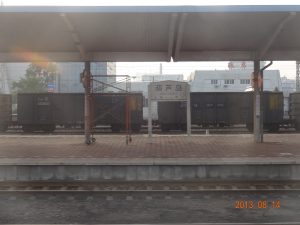
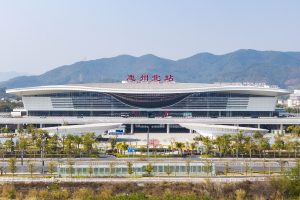
Most travelers step off a high-speed train at Huangshi North Station, a glass-and-steel box twenty minutes by taxi from the riverfront. The ride costs roughly forty yuan and passes rows of brick worker housing before opening onto the wide avenues of the downtown core. If you come by conventional rail, the older Huangshi Station drops you closer to the Daye Lake area, handy for the mineral park. Buses connect the two stations, but the signage is Chinese-only; have your destination written in characters on your phone. Taxis are plentiful, yet drivers rarely speak English — download an offline map with Chinese labels for your hotel and key sites.
Core Sights: Mines, Mountains, and Water
The National Mining Park sits on the edge of town where the Daye Iron Mine once gouged the earth. A retired headframe towers over the entrance, its rusted latticework a backdrop for selfie sticks. Inside, a narrow-gauge train rattles through a dim tunnel where mannequins in hard hats freeze mid-swing. The air stays cool and smells of damp stone. Allow two hours: one for the underground ride, another for the open-air exhibition of massive haul trucks and drill rigs. Weekday mornings are quiet; weekends bring school groups that fill the tunnels with shouts.
East of the city, Xisai Mountain lifts steep and green from the riverbank. A stone stair climbs past pavilions where poets once scratched verses into cliff faces. The summit temple burns thick incense; elderly women press foreheads to the threshold, murmuring for grandchildren’s exam scores. The view takes in the Yangtze’s broad bend, cargo barges pushing downstream, and the distant glow of Wuhan’s skyline on clear days. Wear shoes with grip — the polished steps turn slick after rain. A cable car exists, but the walk up lets you catch the monkey troops that raid unattended snack bags near the mid-mountain kiosk.
Daye Lake spreads flat and reed-fringed to the south. Locals rent wooden skiffs from a muddy bank near the lotus root farms. Paddle out at sunset when the water turns mercury and egrets stab at minnows in the shallows. No formal ticket booth — just hand fifty yuan to the boatman and agree on a return time. Mosquitoes rise in clouds at dusk; bring repellent or wear long sleeves. The lake freezes shallow in deep winter, and you’ll see villagers drilling holes for ice fishing, steam rising from their thermoses.
Eating Like a Local
Huangshi cuisine leans salty, spicy, and freshwater-heavy. The signature dish is stewed turtle with ham and bamboo shoots — dark broth, gelatinous skin, meat falling off the shell. Order it at a family-run spot near the old train station where the chef still kills the turtle to order. Another staple: chili-fried river snails, sucked straight from the shell at plastic tables spilling onto the sidewalk. For breakfast, hunt down a stall selling hot dry noodles tossed in sesame paste, chili oil, and pickled radish; the noodles should have a springy chew, not a mushy give.
- Stewed turtle: turtle, cured ham, dried bamboo shoots, ginger, scallion, soy sauce, rice wine.
- Chili river snails: fresh snails, dried chili, garlic, ginger, fermented black bean, oil.
- Hot dry noodles: alkaline wheat noodles, sesame paste, chili oil, pickled radish, garlic water, crushed peanut.
Home method for the noodles: boil noodles thirty seconds, shock in cold water, drain hard. Toss with a spoonful of sesame paste thinned by hot noodle water, then layer chili oil, minced garlic, vinegar, and crushed peanut. Eat immediately — the sauce clots if it sits. In restaurants, point to the picture menu and hold up fingers for portions; most places don’t do English. Avoid the tourist lane near the mining park entrance where the chili oil comes from a jar and the noodles sit pre-cooked in a bain-marie.
Seasonal Rhythms and Festival Pulse
Spring arrives with the Qingming drizzle, turning the hills around Xisai a violent green. Families sweep ancestral tombs on the slopes, burning paper money that drifts like gray confetti. The Dragon Boat Festival in early summer sends narrow boats knifing across Daye Lake, drums pounding from the bow. Mid-autumn brings mooncakes stuffed with salted egg yolk and lotus paste, shared over baijiu on apartment balconies. Winter is quiet — temperatures hover just above freezing, and the river mist hangs until noon. Pack layers: a damp chill seeps through concrete walls that no heater quite fixes.
Day Trips That Don’t Disappoint
Forty minutes west by car, the ancient copper-smelting town of Tonglüshan preserves furnace foundations from the Western Zhou. A low museum building shelters a single excavated pit where charcoal layers alternate with slag, each stratum labeled in Chinese and passable English. The site is small — ninety minutes covers it — but the guide, usually a retired geologist, will let you handle a piece of three-thousand-year-old bronze if you ask politely. Combine it with lunch at a farmhouse serving braised pork belly with preserved mustard greens, the fat melting into the bitter leaves.
South toward Xianning, the hot spring cluster at Yangxin County steams in a valley of bamboo. Public pools are segregated by gender, tiled in faded blue, fed by pipes hissing sulfur. Locals soak for hours, scrubbing with rough towels, arguing politics. A private room with a wooden tub costs extra but buys quiet. Bring your own towel and flip-flops; the provided ones have seen generations of feet. The water smells of boiled eggs — that’s the sulfur — and leaves skin slick for hours.
What Newcomers Get Wrong
First mistake: treating Huangshi as a Wuhan day trip. The train is thirty minutes, but the city deserves its own night — the riverfront barbecue stalls don’t fire up until after nine, and the mining park’s light show paints the headframe in neon only after dark. Second: assuming English works in hotels. Even four-star front desks may have one staff member with broken phrases; keep a translation app ready for check-in and taxi addresses. Third: skipping the morning market on Huaxin Road. That’s where you’ll see the city unvarnished — live carp flopping in blue tubs, grandmothers haggling over lotus root by the kilogram, the air thick with frying dough and diesel. Go hungry, point at what looks good, and eat standing up.